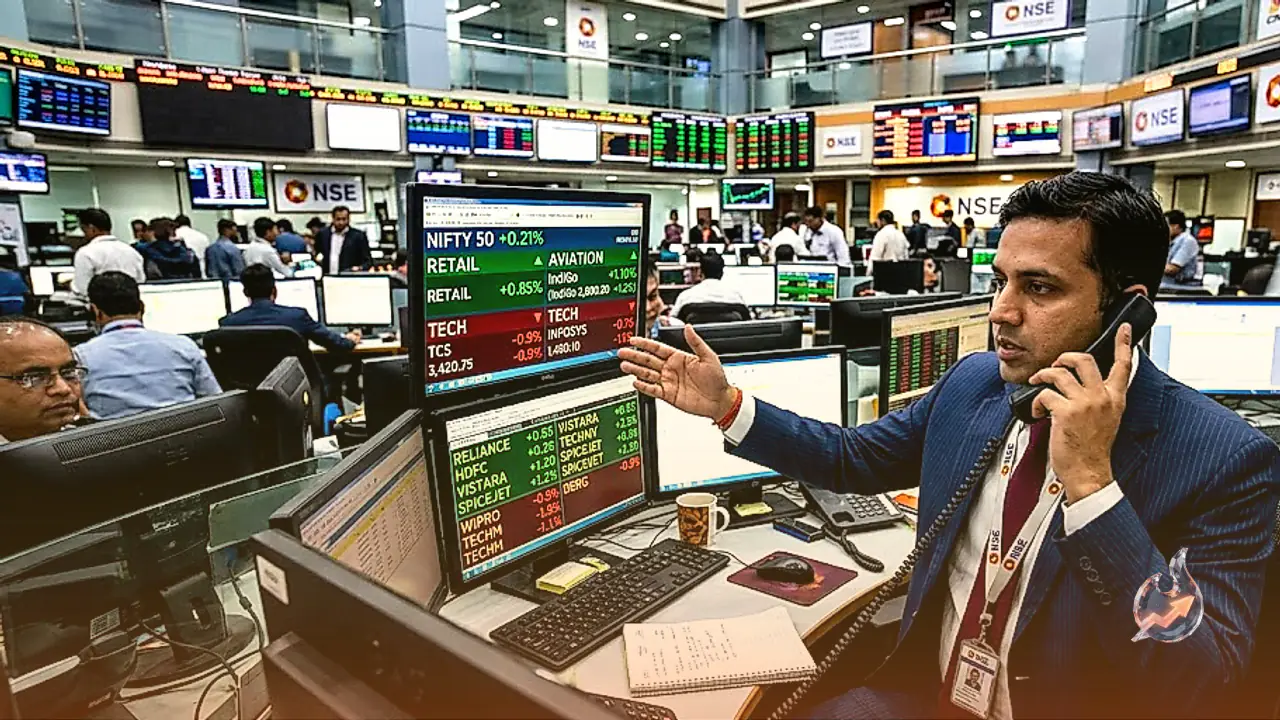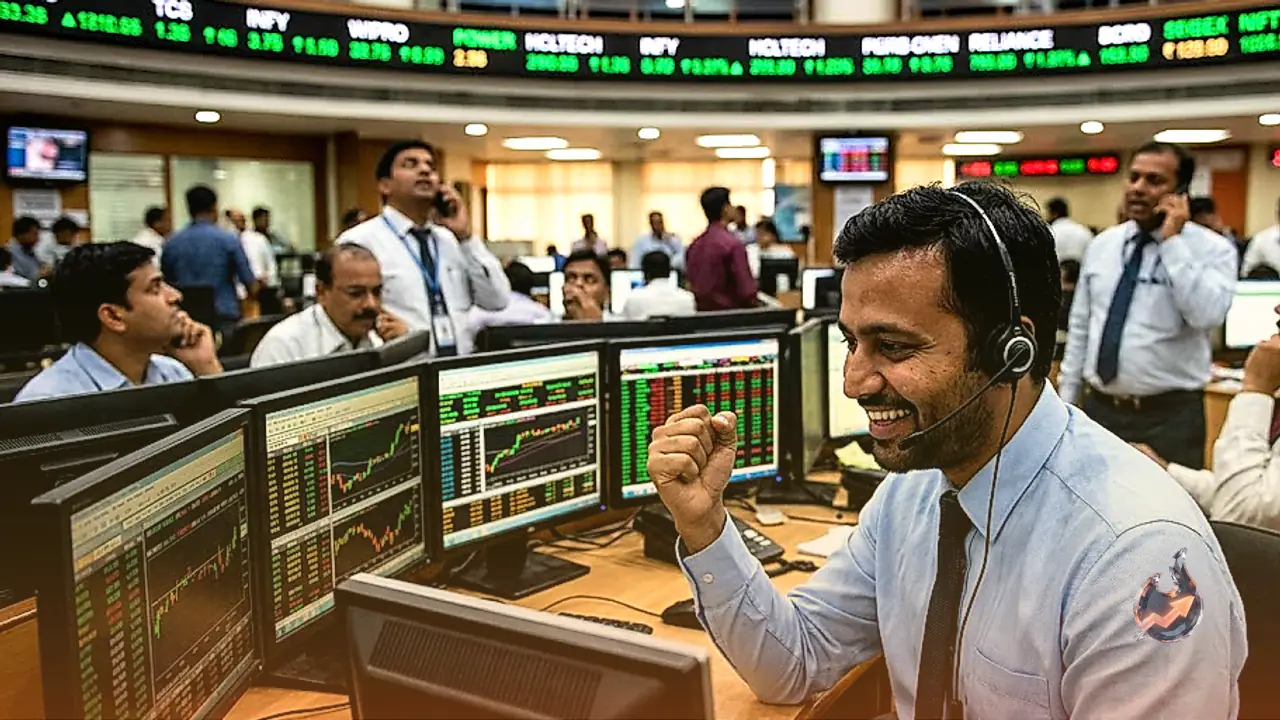





















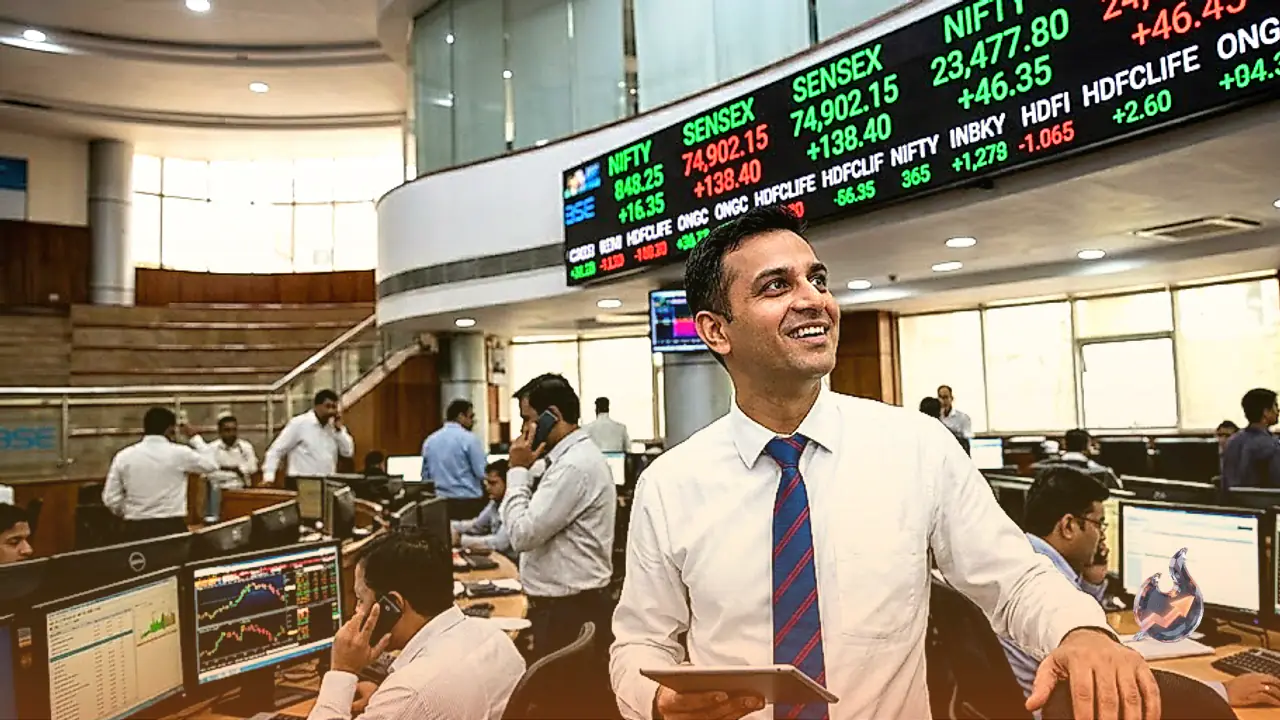

Domestic equity markets witnessed intense swings during the trading session on September 10, managing to settle higher by the close despite persistent headwinds. Both headline benchmarks swung between gains and losses through the day before finding stability in late trade. The 30-share BSE Sensex finished 138.36 points higher at 74,902.59. Simultaneously, the broader NSE Nifty 50 advanced 46.30 points to end the session at 23,477.80. Market breadth reflected a mixed undertone across the trading floor. Approximately 1,872 stocks registered gains, while 2,272 counters declined under selling pressure. An additional 155 stocks ended the trading day unchanged.
Top Gainers and Laggards in the Session
Among the constituents of the Nifty 50, HDFC Life led the advance with a 2.36 percent gain, emerging as the best performer of the day. Power Grid Corporation followed closely, climbing 2.22 percent, while ONGC added 1.39 percent. Telecom major Bharti Airtel advanced 1.34 percent, and Tech Mahindra managed a modest uptick of 0.18 percent. Conversely, several frontline counters dragged on the indices. HCL Technologies fell 1.85 percent to end as the top decliner. Hindalco Industries dropped 1.26 percent, and Tata Steel retreated 1.04 percent. Adani Enterprises shed 0.89 percent, while Mahindra & Mahindra finished 0.83 percent lower.
Sectoral Performance and Broader Market Trends
Sectoral performance presented a fragmented picture across various economic segments. Media counters along with public sector banking and private banking indices managed to hold their ground and closed in positive territory. On the other hand, metal, automotive, and pharmaceutical sectors faced sustained selling momentum, each recording declines of up to 0.5 percent. The broader market space mirrored this cautious tone. The Nifty Midcap index slipped 0.4 percent by the closing bell, while the Smallcap gauge finished virtually unchanged, showing little movement from its previous close.
Key Pressures Behind Market Choppiness
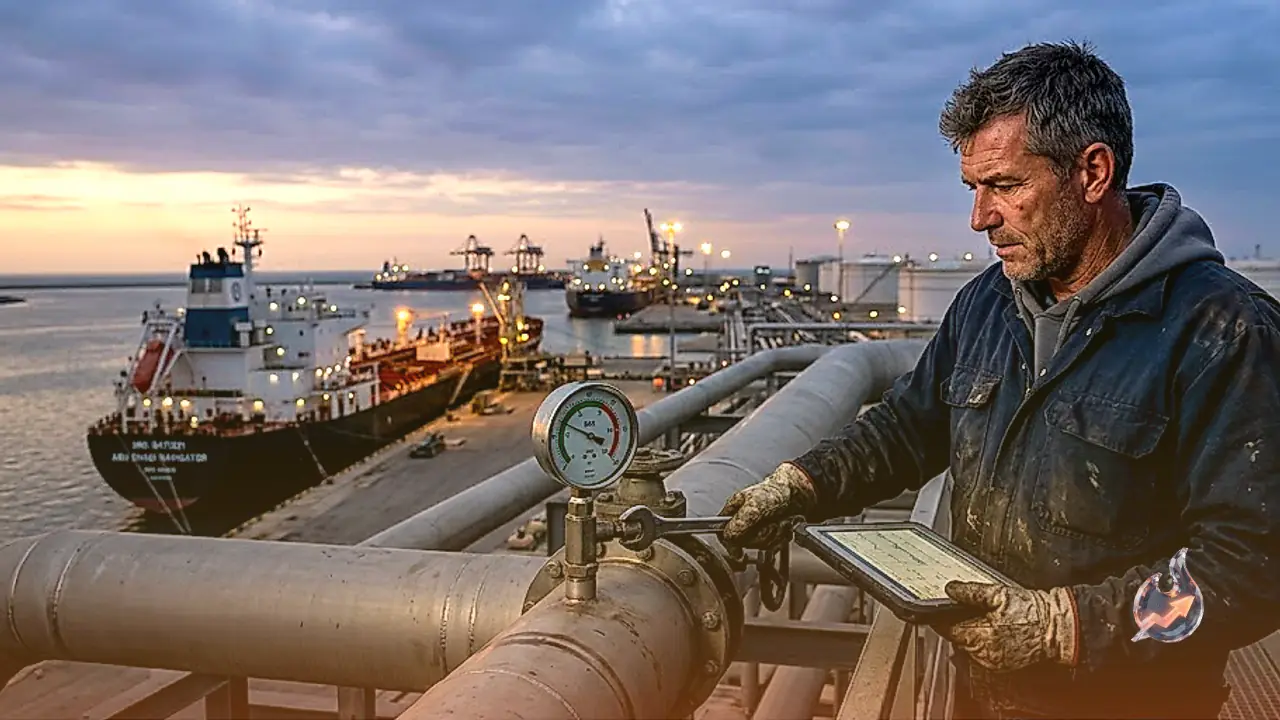
Two primary drivers exerted downward pressure throughout the trading hours. First, a sharp escalation in international crude oil prices weighed heavily on market sentiment. Amid intensified conflict in the Middle East, crude surged beyond 102 dollars per barrel following reports that the United States sank five Iranian oil tankers, after which Iran claimed strikes on 10 vessels near the Strait of Hormuz. Because India relies on imports for most of its petroleum requirements, elevated crude quotations pose substantial risks to the nation's import expenses and domestic inflation outlook. Second, sustained liquidation by foreign institutional investors, or FIIs, continued to create resistance. On September 9, FIIs offloaded equities worth 583 crore rupees, although domestic institutional investors cushioned the drop by purchasing shares valued at 1,509 crore rupees.