
























The rapid metamorphosis of the United Arab Emirates from a vast desert expanse into a dazzling global hub of skyscrapers and technological marvels continues to captivate international observers. Global corporations are pouring massive capital into these newly minted urban centers, driven by a highly strategic policy innovation known as the Free Zone model. This regulatory mechanism has successfully bypassed traditional bureaucratic bottlenecks, offering a compelling template that, if integrated into India's smaller urban centers, could elevate them to the status of highly advanced industrial cities. The concept has ignited discussions on how decentralized economic frameworks can stimulate local economies and bring balanced regional growth.
Understanding the Core of Free Zone Frameworks
A Free Zone is a designated geographical enclave governed by a separate set of highly simplified, business-friendly regulations that differ substantially from the mainland laws of the host nation. Enterprises operating within these zones enjoy unparalleled operational conveniences, including sweeping custom duty exemptions, streamlined import and export procedures, and substantial tax concessions. These incentives are specifically curated to eliminate the administrative friction that multinational corporations typically encounter when entering new foreign territories, thereby accelerating the deployment of foreign direct investment and fostering industrial expansion.
How the UAE Operationalizes Its Free Zone System
In the United Arab Emirates, this system is not a one-size-fits-all approach but is meticulously divided across roughly 40 specialized sectors and industrial domains. These include advanced manufacturing, cutting-edge technology, media production, logistics, healthcare services, financial systems, and agricultural technology. When a global enterprise decides to invest in these zones, the local authorities provide a comprehensive setup kit. This includes expedited business registration, rapid licensing, and direct access to state-of-the-art physical infrastructure such as customized office spaces, storage warehouses, and factory setups, allowing companies to become operational in a fraction of the usual time.
Ownership Control and Strategic Financial Advantages
One of the most compelling advantages of this model is the provision of 100% foreign ownership. In typical mainland economies, foreign investors are often legally required to partner with local citizens or domestic entities, which can dilute operational control and profits. Free Zones completely eliminate this requirement, allowing foreign corporations to maintain absolute control over their business operations. Additionally, while the standard corporate tax rate in the United Arab Emirates is set at 9%, companies operating inside these specialized zones are eligible for significant tax holidays, with many qualifying for a 0% tax rate. The government also secures long-term residency and official work permits for international employees, creating a highly stable, long-term workforce.
World Class Infrastructure and Single Window Governance
To make these zones fully functional, the governing authorities establish an end-to-end business ecosystem. This involves laying down world-class physical infrastructure, including high-capacity road networks, uninterrupted power grids, reliable water supply, ultra-fast fiber-optic internet connectivity, and modern logistics hubs. Crucially, this physical environment is backed by a single-window administrative system. Rather than dealing with multiple government departments for various permits, companies can obtain their registration, operating licenses, environmental clearances, and employee visas through a single, unified administrative office, saving months of precious operational time and reducing transactional costs.
Upgrading India's Industrial Landscape Through Free Zones
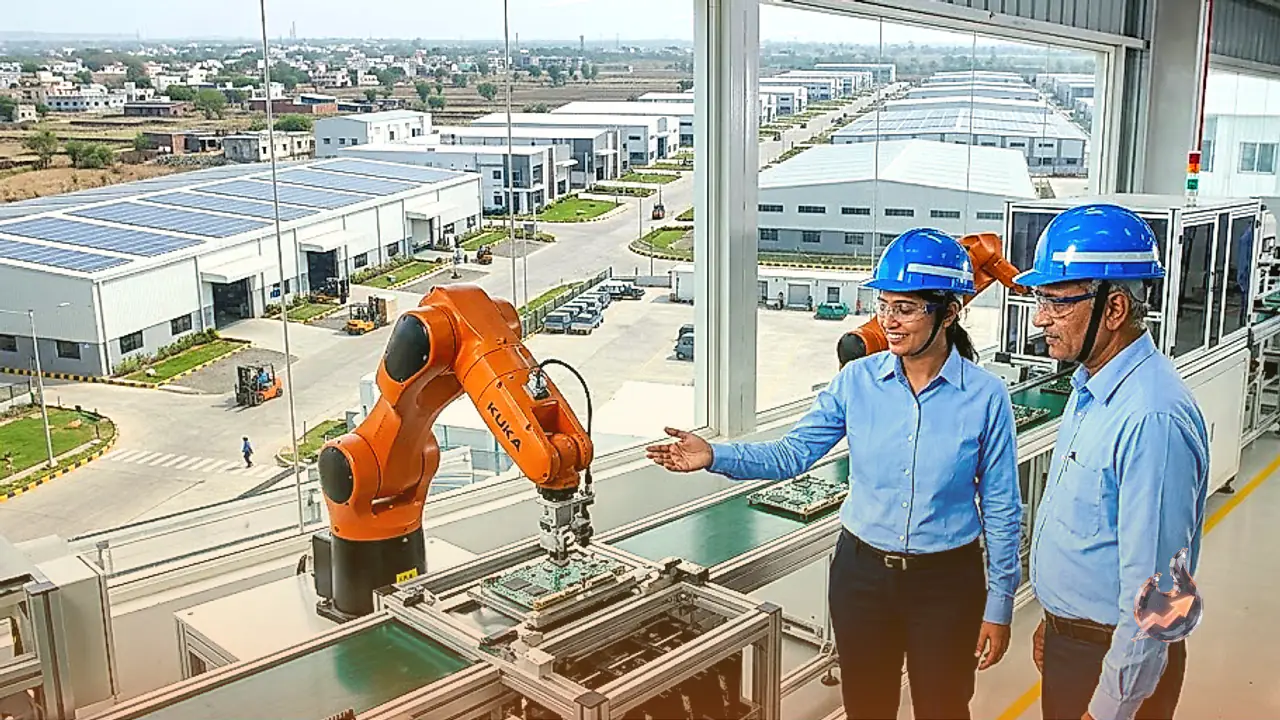
In the context of India, the nation currently utilizes a comparable industrial framework known as the SEZ or Special Economic Zone model to stimulate exports and manufacturing. The Indian government has established a dedicated digital SEZ portal to streamline the administration, reporting, and licensing of these designated zones. However, to compete effectively on a global scale, industry analysts suggest that the existing SEZ framework requires a comprehensive upgrade to transition into highly autonomous and flexible Free Zones modeled after the UAE system. By implementing such modernized Free Zones within tier-2 and tier-3 cities across various states, India can attract substantial foreign direct investment from multinational giants seeking to diversify their global supply chains. This strategic shift would yield immense benefits for domestic sectors like electronics manufacturing, railway technology, semiconductor packaging, automotive engineering, and heavy industrial machinery. Ultimately, this would not only generate millions of high-quality local jobs but also elevate India's smaller urban centers into world-class, highly developed industrial hubs resembling modern cities in the United States.


