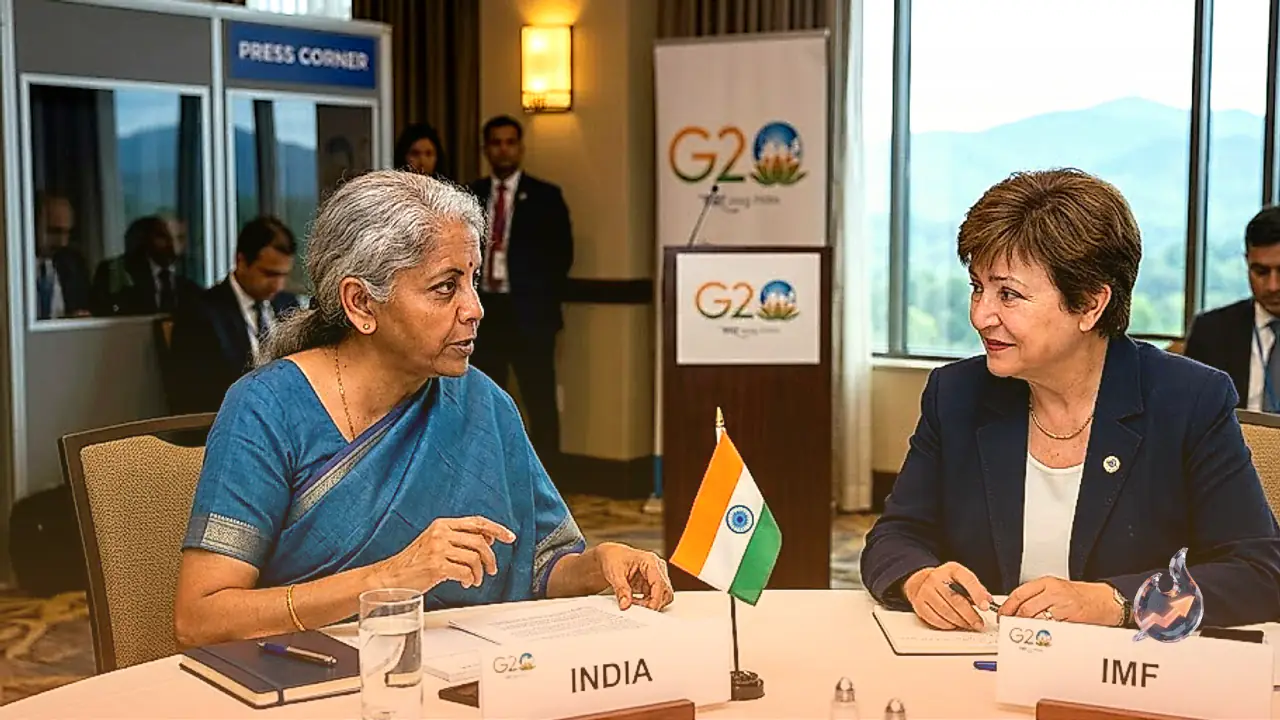















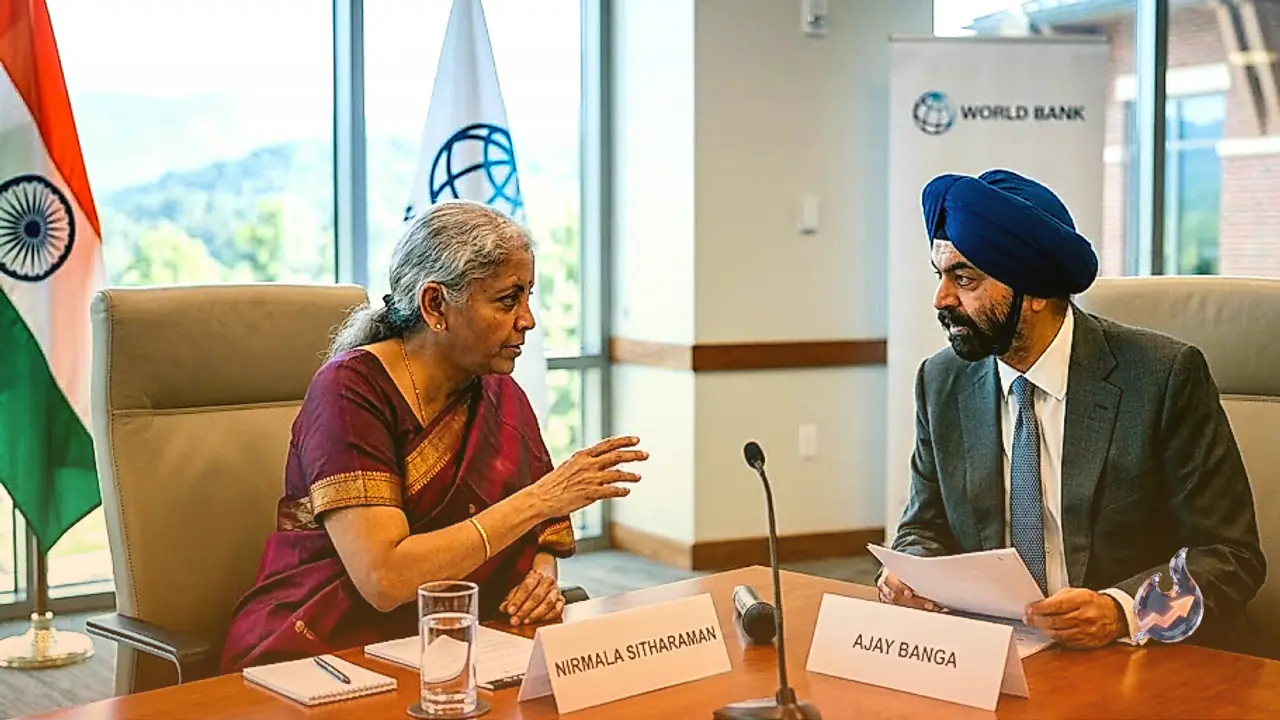

Union Finance Minister Nirmala Sitharaman engaged in high-level bilateral discussions with World Bank Group President Ajay Banga on Tuesday in Asheville. Occurring on the sidelines of the G20 Finance Ministers and Central Bank Governors (FMCBG) meeting, the dialog targeted a fundamental evolution of India's engagement with the international lender. Both leaders focused on transitioning from a traditional borrowing setup toward a strategic alliance centered on private capital mobilization, municipal bond expansion, and institutional innovation.
Expanding Municipal and Infrastructure Bond Markets
A central topic of the dialogue was the enhancement of financial structures supporting India's corporate, municipal, and infrastructure spheres. Both figures explored expanding the operational scope of the Multilateral Investment Guarantee Agency (MIGA) within India. By systematically applying investment guarantees and risk mitigation tools, MIGA aims to crowd in substantial private capital for public works and urban development programs.
Furthermore, the representatives deliberated on a programmatic, sector-wide methodology for credit enhancement across infrastructure initiatives. This strategic framework seeks to improve the creditworthiness of local municipal authorities and corporate entities, allowing them to tap bond markets directly for long-term financing rather than relying exclusively on conventional loans.
Timely Financial Support for Small Businesses
During the conference, Nirmala Sitharaman acknowledged the World Bank Group's ongoing support for India's national economic objectives. She specifically praised the swift processing of the USD 1.5 billion Development Policy Financing (DPF), pointing out that rapid disbursements strengthen key macroeconomic and structural reforms across the nation.
The Finance Minister also commended the International Finance Corporation (IFC) for its prompt support to Micro, Small, and Medium Enterprises (MSMEs). Channeling resources through the Small Industries Development Bank of India (SIDBI), the IFC arrangement was completed in record time, offering vital liquidity to small business owners who drive employment and industrial production.
Reframing the Partnership Toward Knowledge Sharing
The meeting emphasized reshaping how the World Bank Group and India collaborate long-term. Both leaders underscored moving past the classic lender-borrower model to establish a strategic platform dedicated to international knowledge transfer, technology adoption, and private capital deployment. This cooperative framework marries India's administrative scale and execution capacity with the World Bank's global insights and sophisticated risk instruments.
Ajay Banga lauded the significant transformation of India's physical and technical infrastructure over recent years. He affirmed the institution's commitment to aligning its operational instruments with India's long-term growth ambitions, which includes extending MIGA political risk insurance to Indian companies investing in overseas operations.
Digital Infrastructure Hub and Tourism Development
Highlighting India's digital leadership, Sitharaman detailed joint progress on launching a Global Digital Public Infrastructure Knowledge Hub in India. The proposed facility will explore leveraging digital tools across vital sectors such as agriculture to enhance yield forecasting and supply chain efficiency, with both leaders anticipating speedy operationalization.
Additionally, the leaders discussed creating globally competitive tourism destinations under the updated India-World Bank Group Country Partnership Framework. This initiative intends to integrate policy guidance from the International Bank for Reconstruction and Development (IBRD), equity and debt investments from the IFC, and risk guarantees from MIGA to build sustainable tourism hubs across India.