























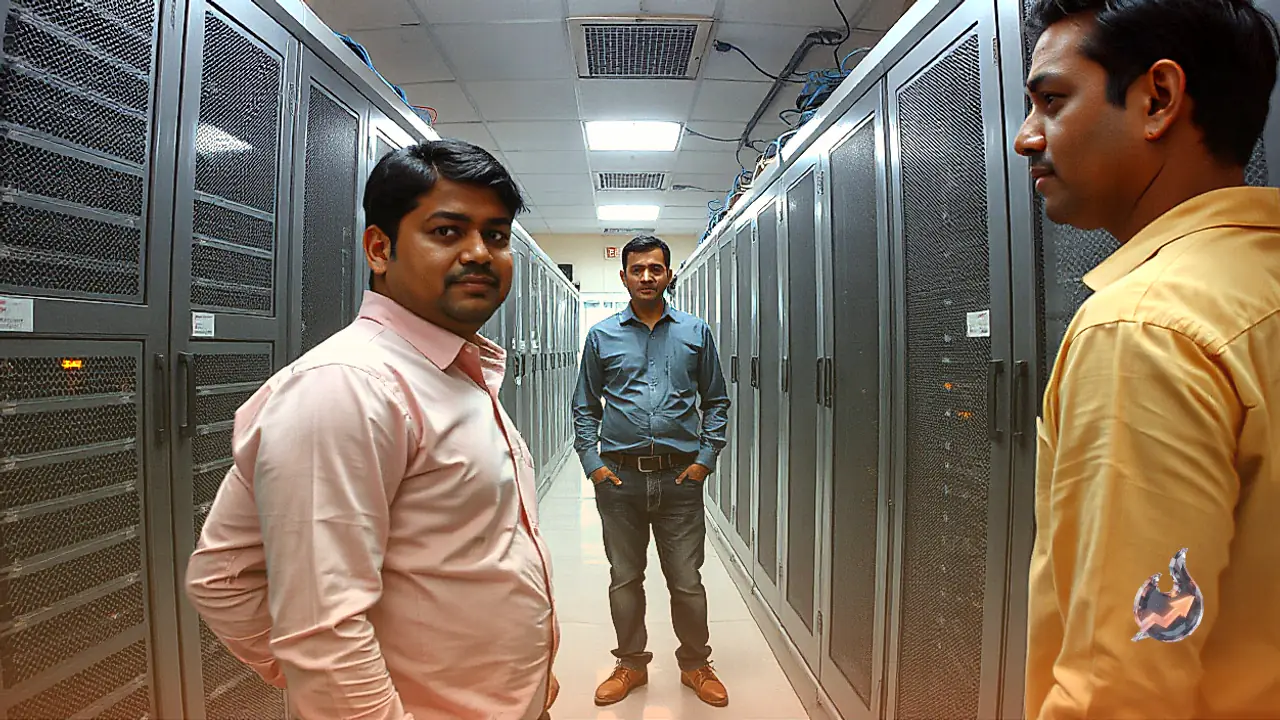

Accelerating adoption of artificial intelligence and widespread enterprise digitization are driving a massive transformation in digital infrastructure across India. With consumer data consumption continuing its rapid climb and businesses shifting key operations online, the domestic data center industry is positioned for unprecedented expansion. Over the next four fiscal years, total investments into building and scaling data centers are expected to exceed Rs 3 lakh crore. Driven by intense computing requirements, the country's cumulative data center capacity is projected to surge roughly fivefold from current levels, reaching 7.5 gigawatts by March 2030.
Surging Computing Demand and Cloud Migration Drive Expansion
Everyday interactions with advanced tools like ChatGPT, high-definition online streaming, and enterprise cloud applications rely entirely on the computational backbone provided by modern data centers. Inside these specialized facilities, thousands of advanced servers and processors run uninterrupted to securely store, retrieve, and process massive datasets. As artificial intelligence models mature and gain widespread enterprise usage, workloads demand significantly higher processing power than conventional enterprise applications. In response, leading technology and cloud operators, commonly known as hyperscalers, are executing long-term agreements with data center developers. These structured arrangements provide infrastructure developers with long-range revenue predictability well ahead of operational commissioning.
Cost Efficiencies and Lower Rents Give India a Global Advantage
India offers decisive economic advantages when evaluated against other major infrastructure destinations. Across the Asia-Pacific region, setup expenses including industrial land, civil construction, and skilled labor are roughly 20 percent cheaper in India compared to competing peer markets. When favorable base construction costs are combined with competitive local utility electricity tariffs, the aggregate operational savings become substantial. These structural cost efficiencies translate into tenant rental rates that are between 30 and 35 percent lower than those found in alternative regional hubs. For international technology corporations managing sprawling global footprints, building and operating enterprise-scale data infrastructure in India presents a compelling financial incentive.
Longer Commitments and Advance Bookings for Upcoming Capacity
Underlining the intense urgency among digital operators, approximately half of the pipeline capacity slated for future construction has already been tied up under structured long-term agreements. Rather than waiting for complex data center facilities to be fully built and energized, technology enterprises are securing high-performance capacity years in advance to avoid future computing shortages. The commercial framework of these partnerships is also shifting toward longer tenures. Where infrastructure leases historically spanned 10 to 12 years, prevailing contract windows now routinely extend between 15 and 20 years. While these ultra-long commitments provide exceptional revenue visibility, the market does not yet possess an extensive operating history regarding contract renewals at that distant milestone.
Mumbai, Hyderabad, and Visakhapatnam Anchor Regional Buildout
Geographic deployment of this new infrastructure will remain concentrated in a small group of prime connectivity hubs. Roughly three-quarters of the upcoming 6 gigawatts in planned capacity additions will be developed across Mumbai, Hyderabad, and Visakhapatnam. Because high-density server racks and advanced facility cooling systems consume enormous amounts of energy, this geographic clustering will significantly increase municipal electricity requirements. By fiscal 2030, power demand originating strictly from data center operations is estimated to equal roughly 80 percent of Visakhapatnam's current peak power load, 60 percent of Mumbai's peak demand, and nearly 20 percent of Hyderabad's existing peak load.