














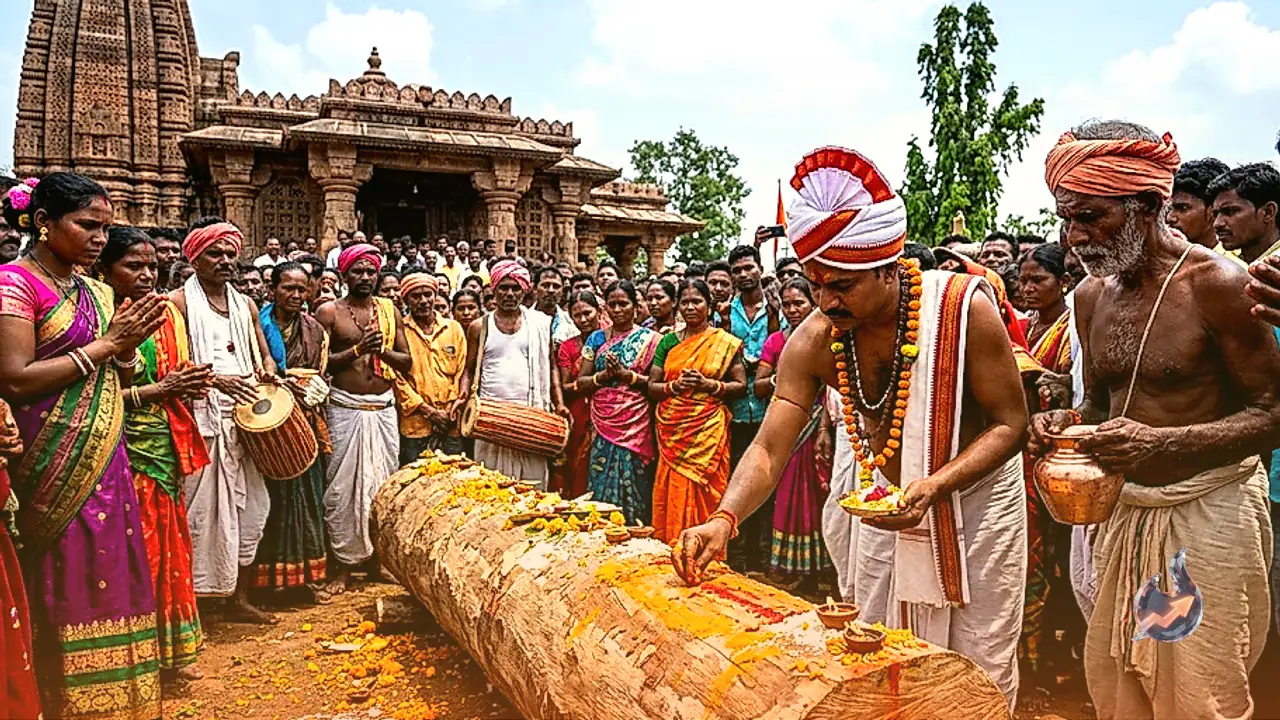

The world-famous Bastar Dussehra festival has officially commenced in the Bastar region of Chhattisgarh with the performance of its crucial inaugural ritual known as Paath Jatara. Spanning approximately 75 days, this historic celebration is renowned for its distinct traditions where the conventional burning of Ravan effigies is not performed. Instead, the festival centers around a grand traditional chariot procession that draws vast numbers of devoted participants from across the region.
Significance of the Paath Jatara Ritual
Paath Jatara marks the foundational step in the multi-month Bastar Dussehra schedule. On the auspicious day of Hariyali Amavasya, timber is brought from a designated sacred site to kickstart the festive preparations. In the presence of community elders, organizational leaders, and traditional chariot craftsmen, elaborate prayers and rituals are conducted to sanctify the wood, signaling the formal start of festival arrangements.
Role of 'Thurlu Khotla' in Chariot Construction
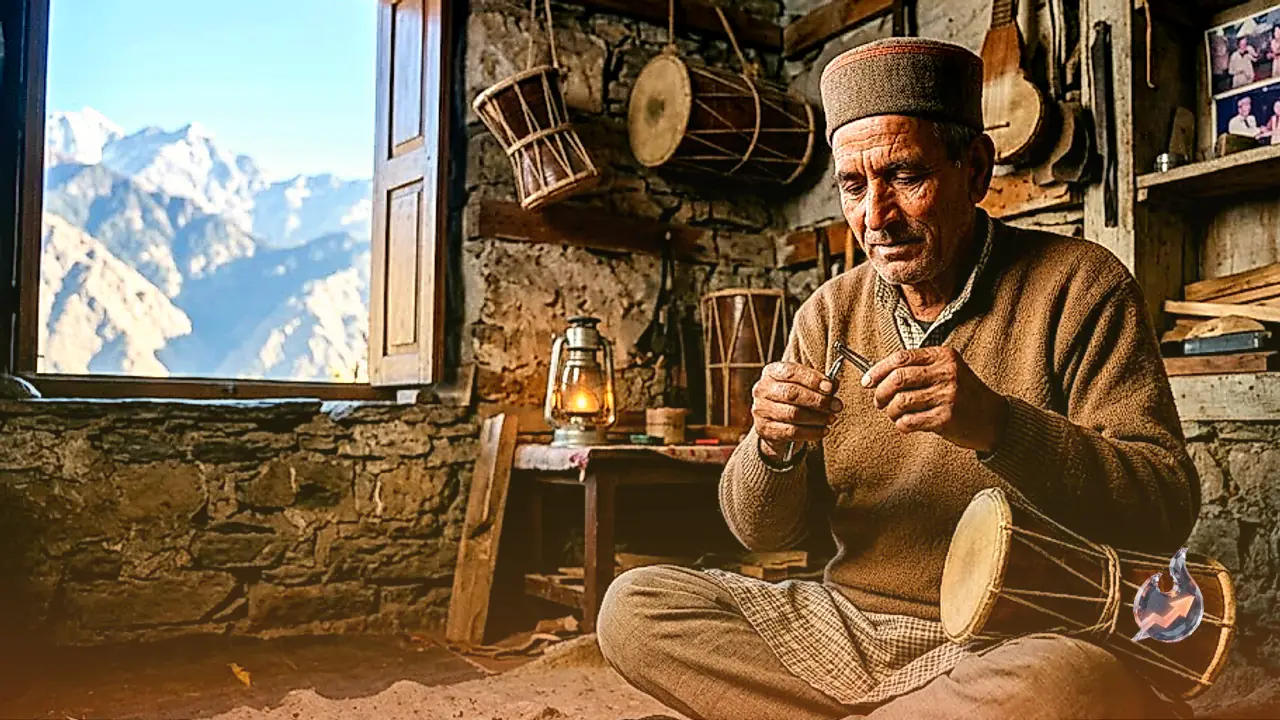
Balram Manjhi, Vice President of the Dussehra Committee, stated that following the consecration ceremony, the sacred timber is designated as 'Thurlu Khotla'. This specialized wood serves a functional purpose as a heavy wooden mallet or hammer during the construction of the festival chariot. Craftsmen rely on it specifically to drive and secure massive wooden components into the structural wheels of the chariot.
Offerings to Goddess Danteshwari and Kanya Devi
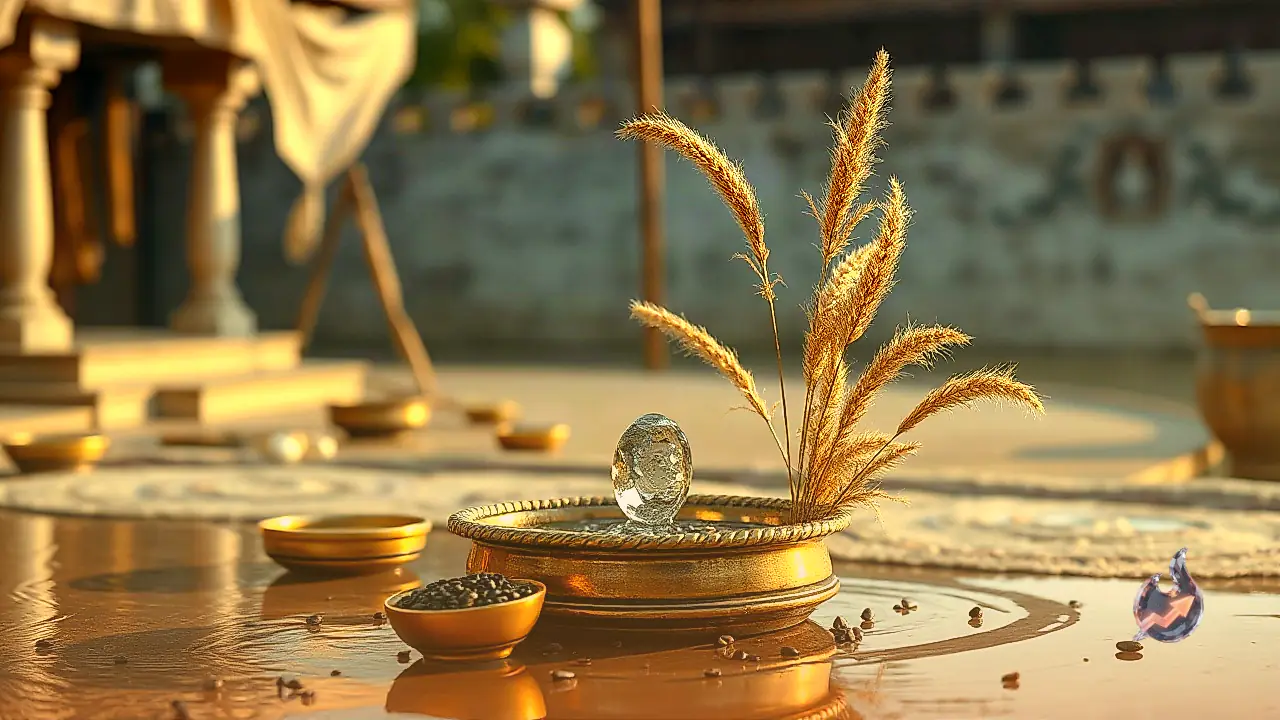
The ceremonial proceedings involve specific offerings dedicated to local deities. A goat sacrifice is performed in the name of Goddess Danteshwari, while a Mogari fish is offered to Kanya Devi, who is venerated as the deity overseeing terrestrial water sources. The ritual worship also incorporates offerings of red dye, fresh flowers, leaves, traditional sweets, and ceremonial fabrics.
A 75-Day Festival Culminating in the Chariot Procession
The execution of Paath Jatara sets off a continuous 75-day chain of religious ceremonies and cultural observances throughout Bastar. Supported by the Bastar Dussehra Committee, traditional Manjhi-Chalki leaders, and local residents, these customs will progress through several traditional phases before reaching their grand finale with the celebrated chariot Yatra.