








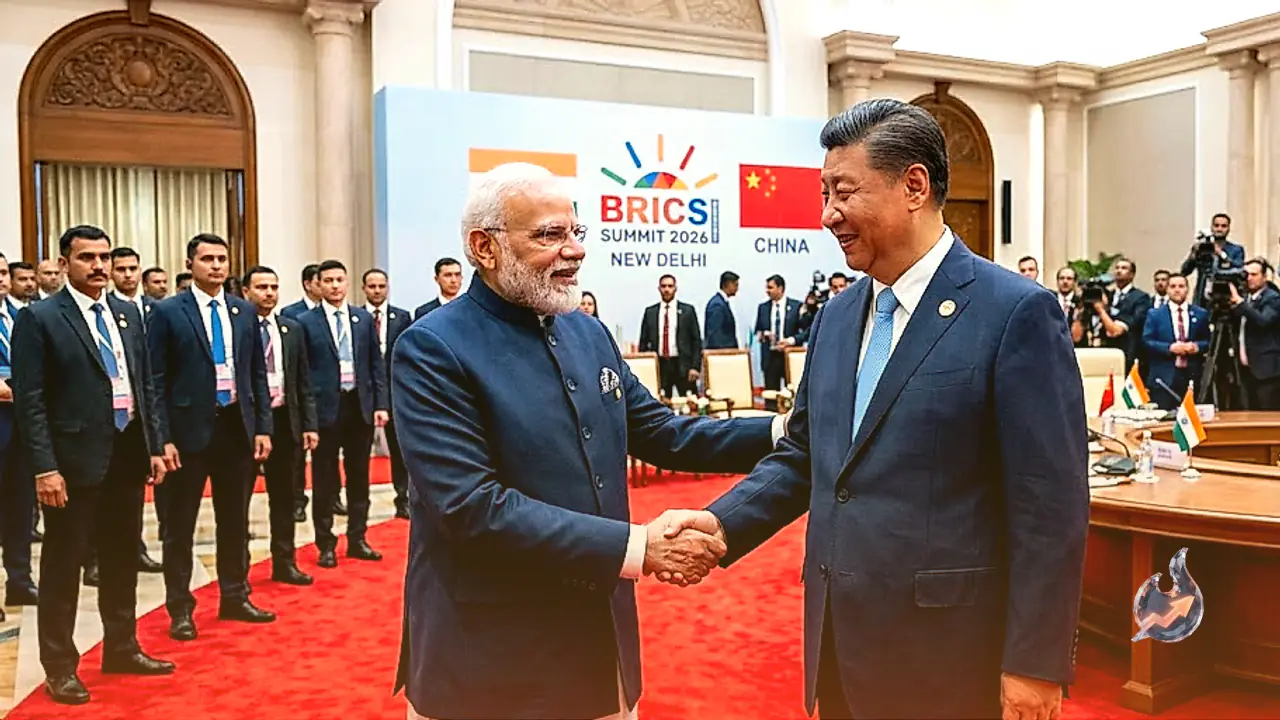
















A push in Washington to tighten the financial screws on Russia has taken a fresh step forward, and the ripple effects could land squarely on Indian exporters. A sanctions bill aimed at Moscow cleared its first hurdle in the US Senate, opening the door to steep tariffs, as high as 100%, on any country that keeps buying Russian energy. Because India has grown into one of the biggest purchasers of discounted Russian crude, its trade with the United States is once again in the spotlight.
What the Senate actually voted on
The bill passed an initial procedural stage in the Senate by a margin of 86 to 12. That vote clears the way for the measure to advance, but it is important to understand what it is not: it is not yet law. Several more votes are required before the legislation can reach President Donald Trump's desk for a signature. The proposal is tied to the broader effort to pile trade pressure on Moscow following the conflict in Ukraine.
Even if the bill does become law, the tariffs would not switch on by themselves. The legislation hands the US President the authority to decide how they are used, meaning he could apply them, hold them back, waive them entirely, or adjust their terms. In other words, the outcome would rest far more on decisions taken at the White House than on the text of the bill alone.
Why India sits in the crosshairs
After the war in Ukraine reshaped global energy flows, India stepped in as a major buyer of Russian crude at discounted prices. Those cheaper barrels helped domestic refiners trim their import bills and keep fuel supplies steady. Just as importantly, the lower pricing softened inflationary pressure at a time when global energy costs were running high. India has not been singled out for any immediate action, yet its continued purchases could invite closer scrutiny if the bill advances.
That balancing act is exactly what makes the bill awkward for New Delhi. The same discounted barrels that shielded Indian households from a global price shock are now the reason its trade could be dragged into a dispute that began far from its borders.
The pressure on exporters
Should the tariffs eventually be imposed, they could strike the goods India sells into the American market. India's export basket to the US leans heavily on pharmaceuticals and engineering goods, while textiles, gems and jewellery, chemicals, electronics and automobile components also make up sizeable chunks. Higher duties would push up landed costs and chip away at the price competitiveness that Indian firms rely on.
Companies with a heavy dependence on US sales would carry the most planning risk. American buyers, facing steeper prices, might press their Indian suppliers for discounts or start moving orders to other countries. That prospect could force Indian exporters to take a hard look at their contract terms, pricing structures and delivery arrangements. Some may go further, rethinking their supply routes and even the timing of future investments if trade friction keeps building.
The politics behind the timing
The legislation was written by the late Republican Senator Lindsey Graham, who ranked among the strongest supporters of Ukraine in Congress. The vote landed shortly after Graham's funeral in Washington, DC. Ukrainian President Volodymyr Zelensky was among those who attended the service, a detail that lent extra political significance to the moment.
President Donald Trump got behind the proposal after asking for additions linked to sanctions on Iran. That request broadened the bill so that it reaches beyond Russia alone. For India, everything now depends on how the measure travels through Congress in the coming rounds of voting, and any actual tariff would then come down to the choices made at the White House and the negotiations that follow.


