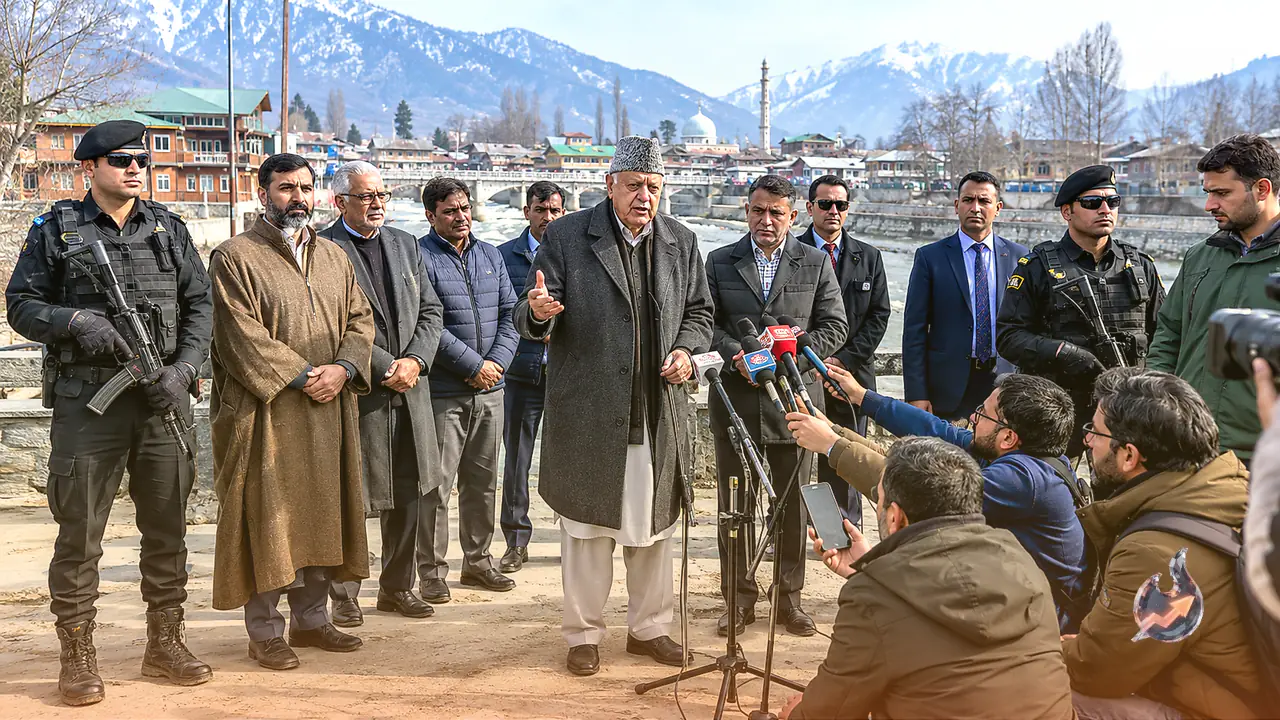
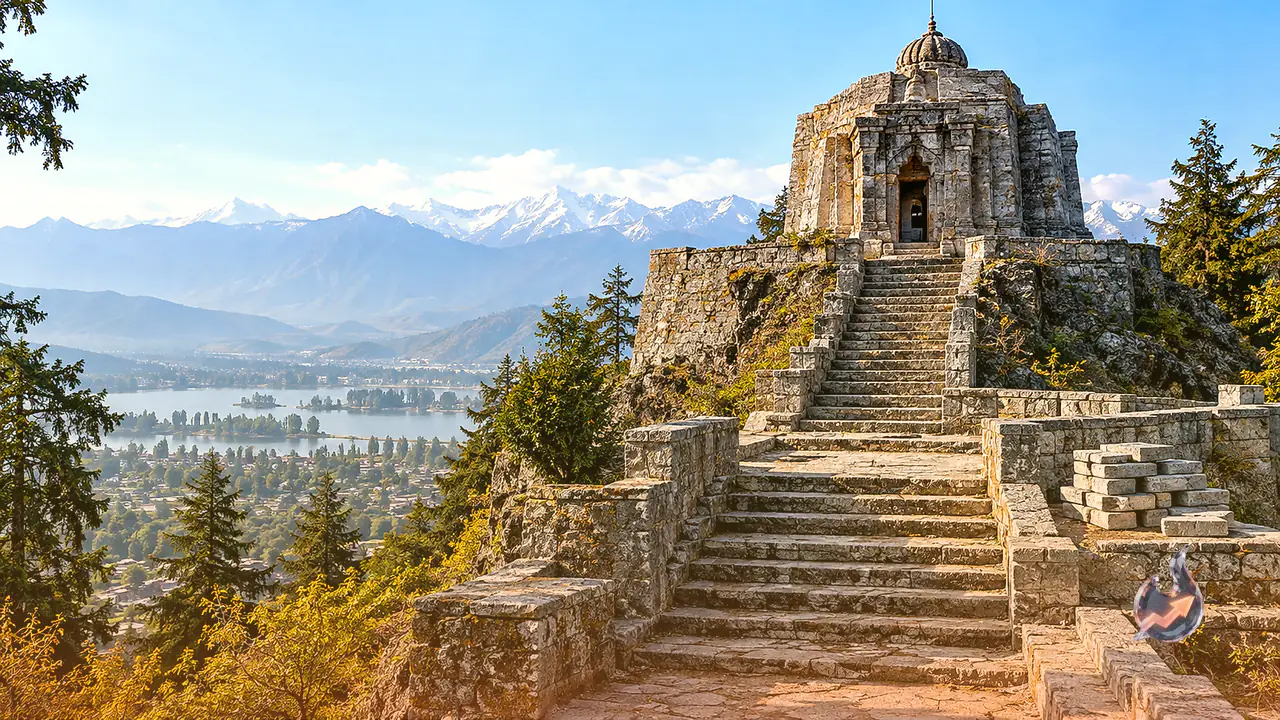

















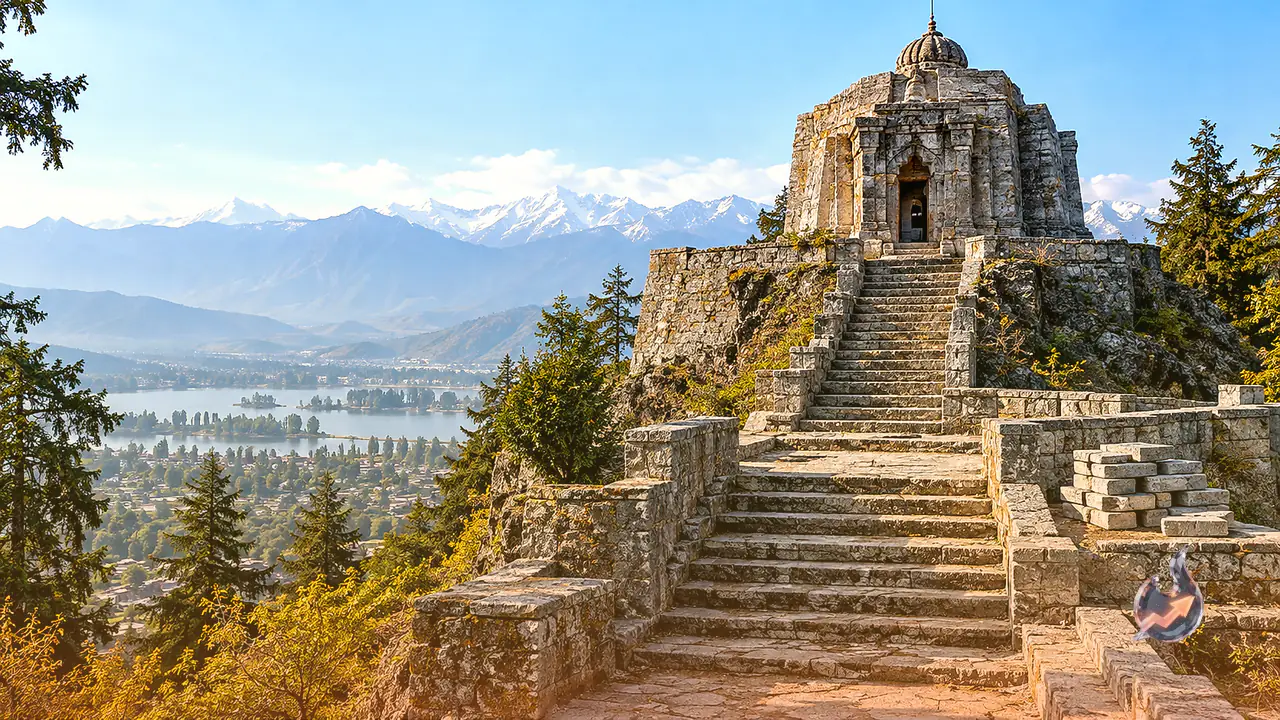

A fresh controversy has surfaced in Jammu and Kashmir surrounding the renovation of a shrine and burial ground located along the approach road to the revered Shankaracharya Temple. Situated in the Zabarwan Hills near Dal Lake, the site has drawn sharp political scrutiny and conflicting claims regarding its antiquity and the allocation of government funds for its development.
At the Heart of the Dispute
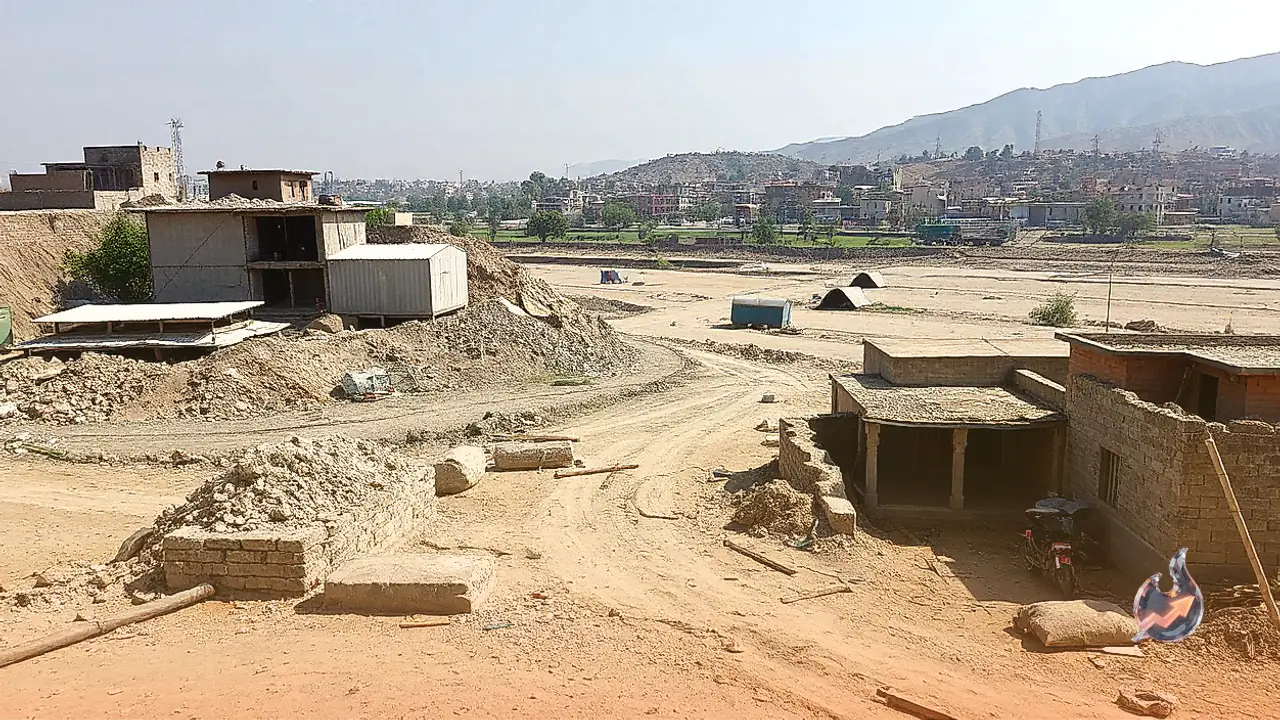
The contention centers on a burial site and the shrine of 'Syed Usman Sahib', positioned roughly 3 kilometers before the Shankaracharya Temple. The administrative process began when the local government initiated tenders and awarded a contract for the beautification and restoration of the forested area, which contains multiple graves and a larger shrine. Although a board previously displayed the names of Sufi saints at the location, it was removed following local pushback. Currently, all on-site activities have been put on hold as the matter has been transferred to the revenue department.
Objections Raised by Kashmiri Pandits and BJP
Kashmiri Pandit groups were the first to voice strong opposition to the construction work, claiming that the structure is a recent creation that did not exist previously. The local unit of the Bharatiya Janata Party quickly joined in, questioning the sanctioning of 44.37 लाख रुपये for the project by the National Conference-led administration. BJP representatives argued that the spot holds no ancient significance and alleged that the graves visible there are newly made rather than centuries old.
Political Statements and Scrutiny
BJP spokesperson Altaf Thakur questioned the administration's intentions, pointing to historical naming conventions used by the ruling party for various landmarks in the region, such as referring to Shankaracharya Hill as 'Takht-e-Sulaiman'. He demanded complete transparency on who proposed the project, which official approved it, and what exact purpose it serves. Meanwhile, Lok Janshakti Party leader Sanjay Saraaf noted that despite frequenting the route for decades, he only recently was alerted to the site by trust members. He claimed to have witnessed makeshift arrangements using crates and cloth to give the appearance of a shrine, emphasizing that while no one opposes legitimate religious sites, proper administrative procedures and revenue records must be verified.
Stance of Religious Authorities
Countering these allegations, Jammu and Kashmir Grand Mufti Nasir-ul-Islam asserted that the cemetery and shrines have existed at the location for decades. He identified the graves as belonging to Syed Asadullah Bukhari and Syed Usman Sahib, contemporaries and companions of Mir Syed Ali Hamadani. Stating that the issue has no connection to the Shankaracharya Temple or forest land, the Grand Mufti defended the restoration efforts as preserving historical heritage and warned that tampering with religious sites would inevitably cause widespread public resentment.