


















The Maharashtra government has officially commenced the implementation of a massive financial relief package aimed at alleviating the severe debt burden faced by the state's agricultural community. Under the newly announced Punyashlok Ahilyadevi Holkar Shetkari Karjmukti Yojana 2026, the administration plans to waive the outstanding agricultural loans of approximately 5.6 million (56 lakh) farmers. The total financial outlay for this sweeping agricultural initiative is estimated at a staggering Rs 36,585 crore. Moving swiftly after the scheme's initial announcement in June, authorities have now published the very first roster of eligible beneficiaries who will see their debts cleared.
First Phase Beneficiaries and the Verification Process
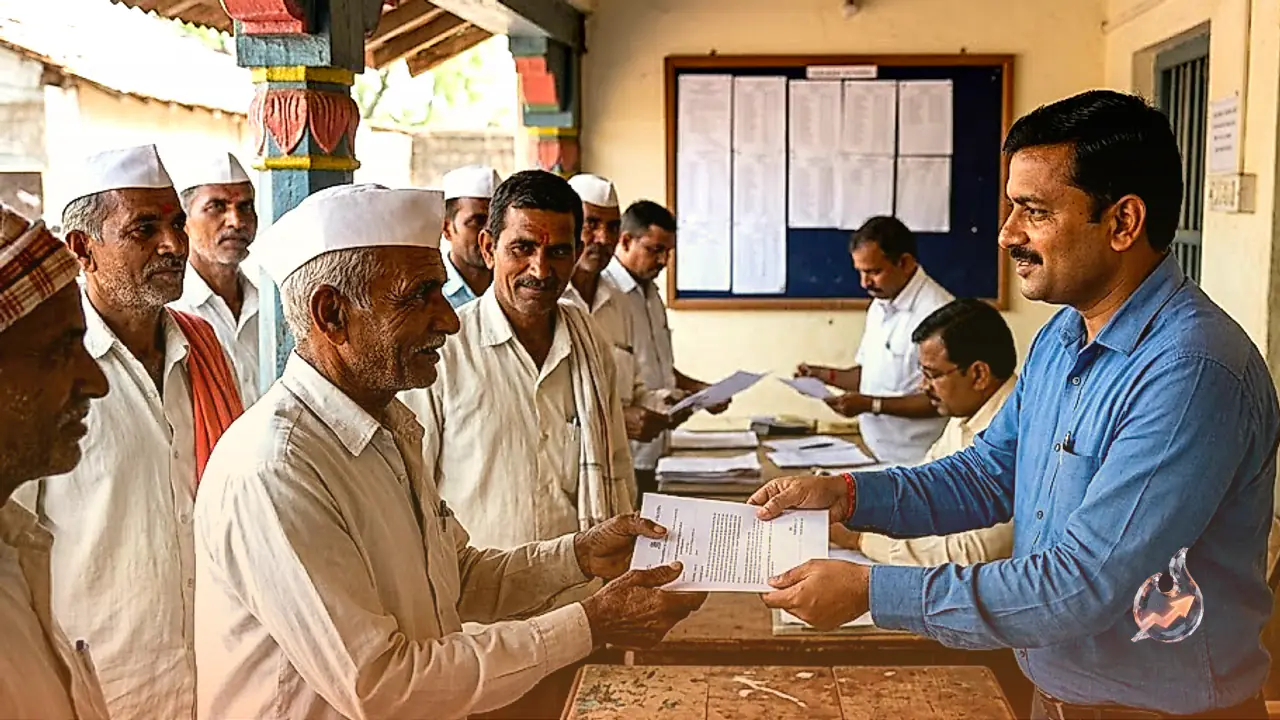
The inaugural list released by the state government features 533 farmers carefully selected from seven different districts across Maharashtra. A detailed breakdown of this initial rollout shows that Thane district has the highest number of early beneficiaries with 182 farmers, closely followed by Latur with 133. Other districts included in this phase are Pune with 85 farmers, Satara with 38, Amravati with 28, Solapur with 21, and Nagpur with 16 farmers. State Co-operation Minister Babasaheb Patil outlined the procedural steps, explaining that selected individuals will shortly receive an official SMS notification regarding their waiver status. Following the receipt of this message, farmers are required to complete a mandatory Aadhaar verification process. Once authenticated, the waived loan amount will be credited directly to their respective bank accounts through the Direct Benefit Transfer (DBT) system. The government has allocated Rs 2.99 crore to cover the expenses of this specific first phase.
Who is Excluded from the Scheme?
To ensure that the financial assistance reaches the most vulnerable and financially distressed agricultural workers, the administration has laid down strict eligibility parameters. The debt relief program explicitly excludes affluent individuals and those holding positions of power. Current and former Members of Parliament (MPs), Members of the Legislative Assembly (MLAs), and all government employees are barred from claiming the waiver. Additionally, the exclusion list encompasses income tax payers, officials working within local bodies, and office bearers associated with district cooperative banks, sugar mills, milk federations, and agricultural produce market committees (mandis). This targeted approach aims to prevent the misuse of public funds intended for struggling grassroots cultivators.
Infrastructure and Registration Network
Coordinating a loan waiver of this magnitude requires extensive logistical preparation. Data regarding the outstanding agricultural credit has already been meticulously compiled and uploaded into the state's systems by 53 different participating banks. To facilitate a smooth registration and verification experience for rural citizens, the administration has authorized the establishment of 32,000 dedicated centers across the state. Furthermore, to maintain complete transparency in the selection process, the finalized lists of eligible beneficiaries will be prominently displayed at accessible public locations, including local Gram Panchayat offices, branches of cooperative societies, and the respective bank branches where the loans were originally issued.
Rules for Larger Debts and Incentives for Timely Repayment
The state government has also clarified the rules for farmers whose outstanding credit exceeds the scheme's maximum waiver limit of Rs 2 lakh. In such scenarios, the beneficiaries must independently clear the remaining balance of their loan. Authorities have provided an extended repayment window, giving these individuals until March 31 of the next year to settle the excess amount and fully regularize their accounts. Recognizing that a waiver program might inadvertently discourage responsible borrowing habits, the government has introduced a special reward mechanism. Farmers who have consistently demonstrated financial discipline by repaying their crop loans on a regular schedule will not be left out; they will receive a direct financial incentive of Rs 50,000 as a token of appreciation from the state.