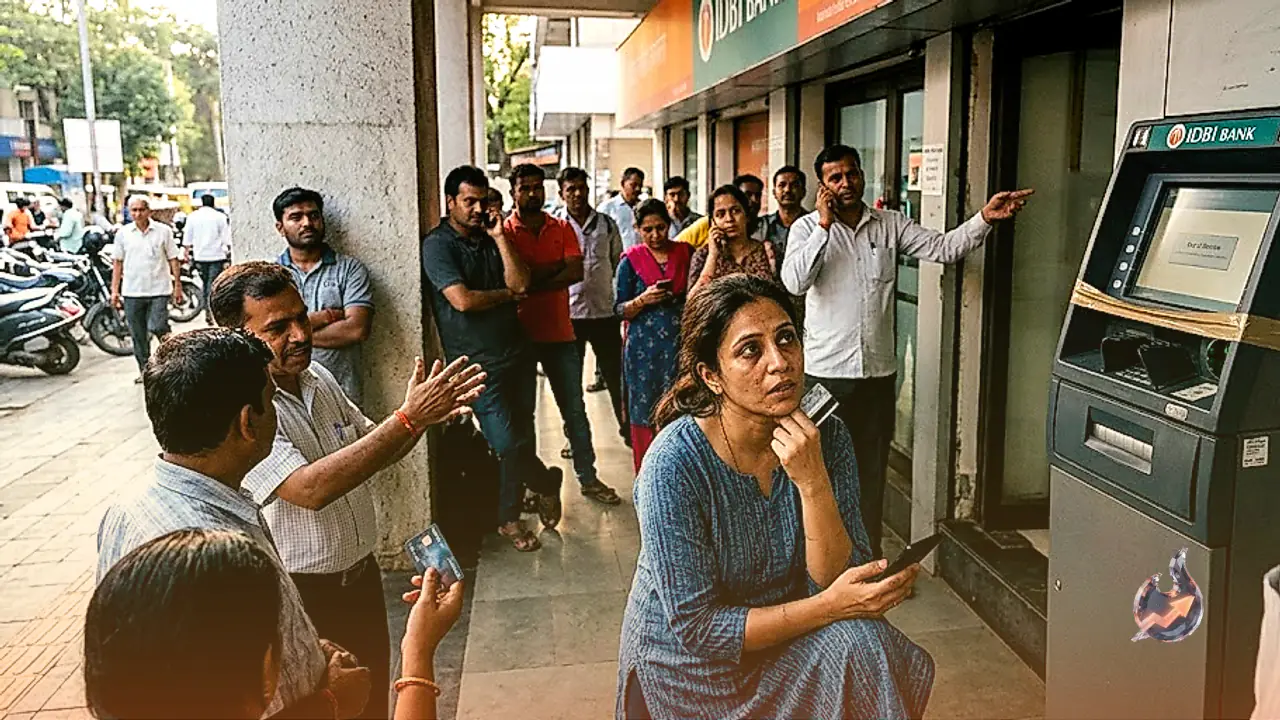























Salaried individuals often face a long list of expenses as soon as money hits their bank accounts every month. The moment funds arrive, allocations are made for daily essentials like milk and groceries. Most people end up spending a massive chunk of their hard-earned income entirely on clearing regular bills and service providers. However, financial experts argue that this traditional approach to personal finance is fundamentally flawed and fails to secure anyone's financial future.
What Does Working for Yourself Really Mean
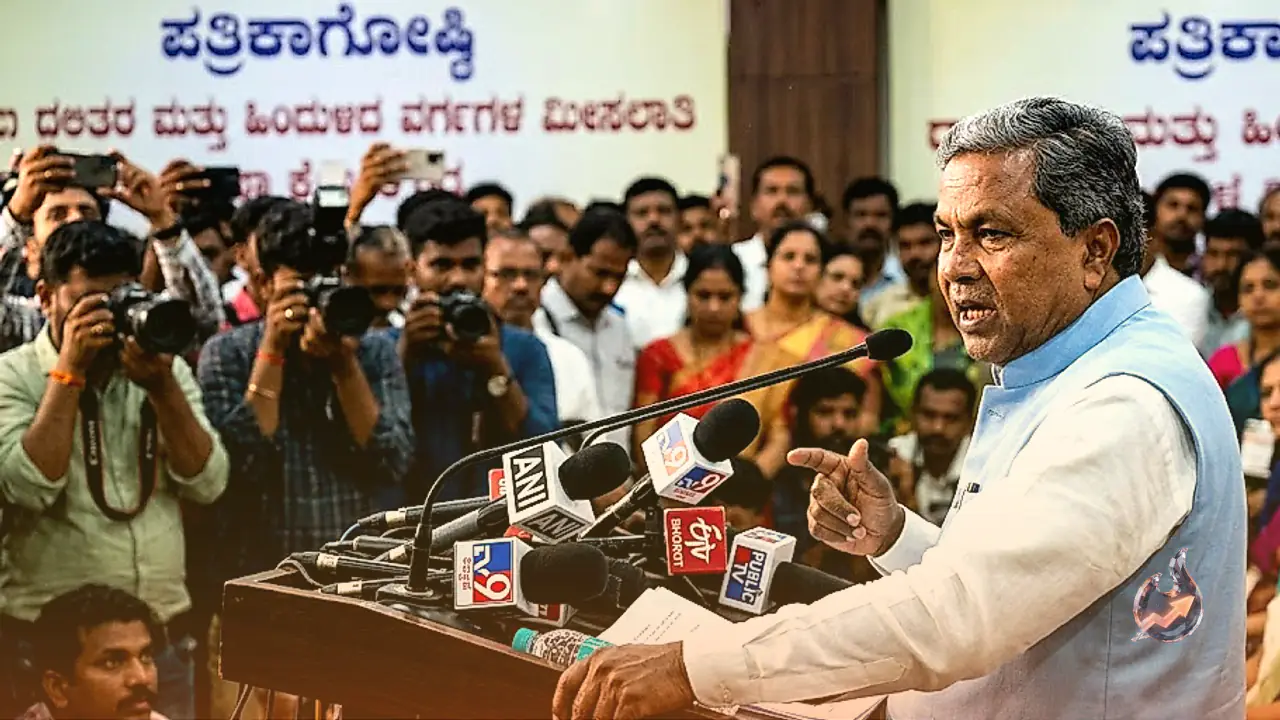
Prominent economist and market expert Sharad Kohli challenged this conventional mindset during a discussion. He sharply remarked that a vast majority of people are practically working just to pay the milkman, the grocer, and cab drivers. While this statement might sound surprising at first because these are services individuals consume themselves, the underlying message is profound. People exhaust their earnings immediately on consumption without actually paying themselves first for the future.
The Need to Change Spending Habits
According to experts, if you want to make your coming days financially secure and stable, you must alter your spending habits completely. Typically, people have a habit of clearing all bills first and then trying to save whatever leftover amount remains at the end of the month. Financial discipline dictates the exact opposite approach. The moment a salary is credited, a fixed portion should be segregated for savings and investments right away, and all monthly expenses must be managed strictly within the remaining balance.
The Practical Mathematics of Budgeting
To put this into perspective with an example, if someone earns a monthly salary of 40,000 rupees, they should immediately set aside 20 percent of it, which amounts to 8,000 rupees, toward investments. The remaining 32,000 rupees should then be used to run the household and cover all necessities for the month. Many might wonder how one can survive on 32,000 rupees when even 40,000 rupees feels inadequate. To address this, experts emphasize that individuals must scale down their lifestyle choices and curtail unnecessary expenses to build a safety net.
An Extreme Tip to Protect Your Savings
Regardless of how much money you earn over your lifetime, the only wealth that will truly support you in times of need is what you manage to save today. The flawed societal norm is to fulfill all lifestyle desires first and treat savings as an afterthought. To combat the temptation of dipping into your savings, experts humorously suggest destroying or throwing away the ATM card linked to your dedicated savings account. This ensures that the saved capital remains untouched and out of reach, securing your financial future for the long run.