





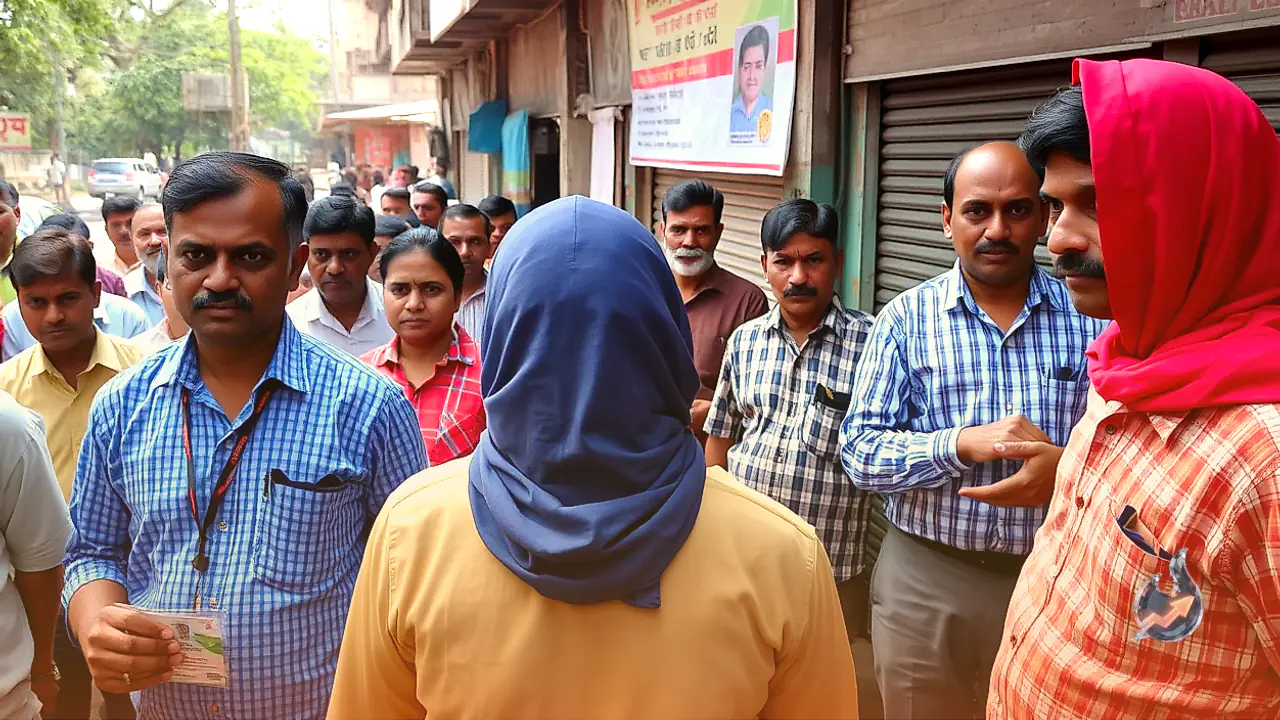

















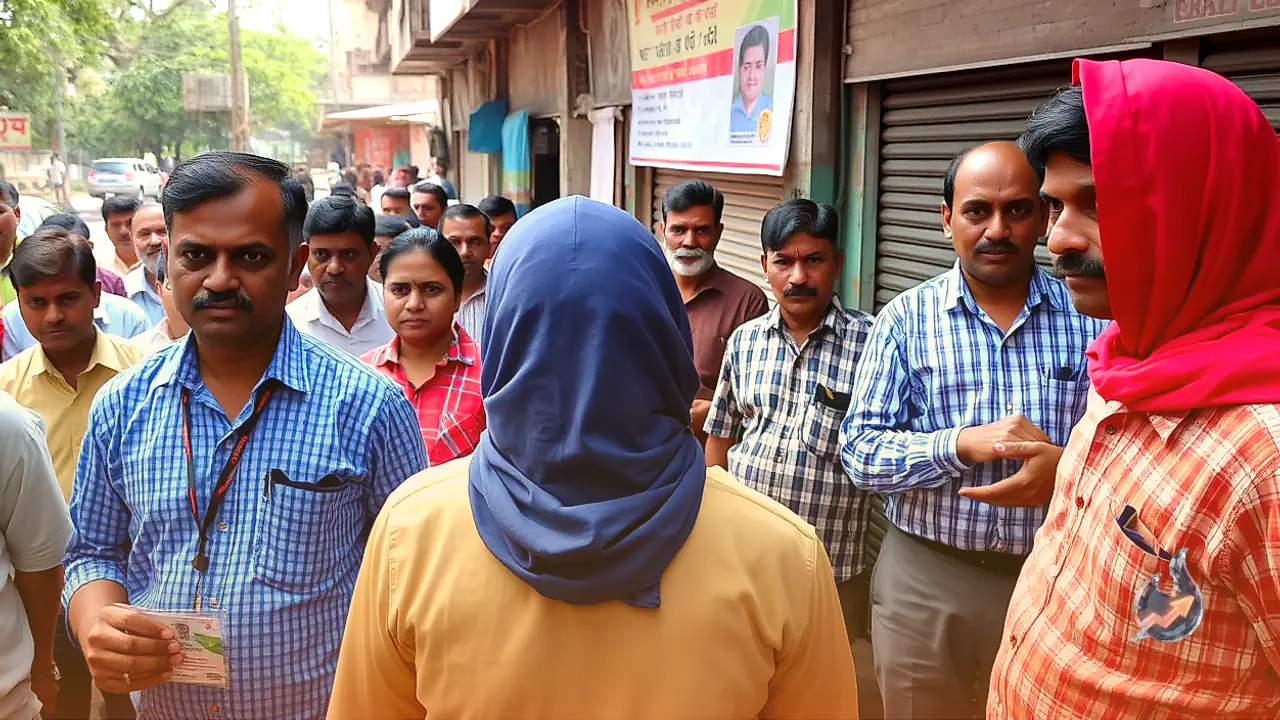

A major procedural overhaul has taken effect across Maharashtra regarding how real estate transactions and deed registrations are handled. In a direct bid to stamp out impersonation scams and eliminate bogus transactions, the state administration has made Aadhaar authentication compulsory for all immovable property documentation. The mandate officially came into force on October 1, ensuring that property transfers and deed executions remain secure, verifiable, and free from fraudulent manipulations.
Directive Issued Under Devendra Fadnavis and Notified in State Gazette
Explaining the policy framework, Maharashtra Revenue Minister Chandrashekhar Bawankule stated that under the revised regulations, no deed or document relating to immovable assets will be registered without prior Aadhaar verification. The decision was initiated following explicit directives from Chief Minister Devendra Fadnavis and has subsequently been formally notified in the state government gazette. This directive applies across a comprehensive scope of 63 separate document categories, covering sales, purchases, mortgage deeds, gift transfers, and property partition agreements.
Tackling Bogus Witnesses and Eliminating Impersonation Fraud
Property documentation in the state is managed and processed by the Registration and Stamp Department functioning under the Revenue Department. Chandrashekhar Bawankule noted that enforcing mandatory Aadhaar verification will permanently eliminate the illegal practice of using fraudulent parties and bogus witnesses to push forged deeds through the system. He highlighted that standardising the digital identity process reduces unnecessary human discretion, curtails bureaucratic malpractice, and significantly enhances both transparency and operational efficiency across registration offices.
Protocols Established for Parties Without an Active Aadhaar Number
The updated framework provides specific exemptions and pathways for individuals who do not currently hold an operational Aadhaar card. Under these provisions, parties must submit formal documentation proving that they have already applied for an Aadhaar card and are awaiting enrollment completion. In addition, such individuals are required to furnish alternative government-issued identity credentials alongside verified proof detailing their exact relationship with the other party involved in the deed. Official notifications mandate that registration officials will complete transactions only after thorough cross-verification of all identity records.
Special Safeguards Designed for Minors and Eligible Beneficiaries
The state has instituted dedicated safeguards to protect the rights of children and specified eligible groups during real estate settlements. For individuals under 18 years of age, Aadhaar enrollment applications can be initiated through the explicit consent of their parents or recognized legal guardians. The administration has firmly clarified that no minor or eligible claimant will be denied property registration merely due to the absence of an immediate Aadhaar number. The Revenue Department emphasized that this system aims to reinforce personal identity validation, minimize identity fraud risks, and provide greater transactional security for property owners statewide.