























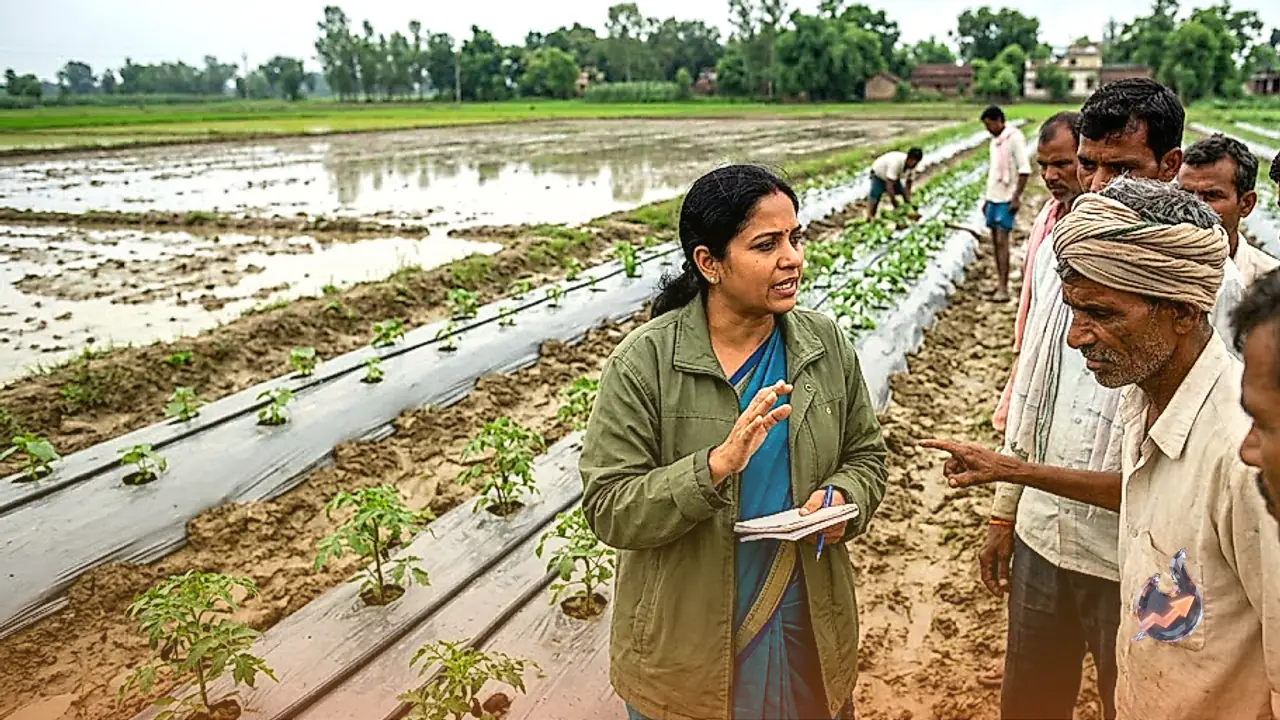

The arrival of the monsoon season brings both hope and challenges for farmers preparing for the Kharif crops. While rain is essential, excessive downpours often lead to severe waterlogging in agricultural fields. For vegetable cultivators, this period is particularly stressful. When water accumulates in the fields for extended periods, the delicate roots of vegetable plants begin to rot, resulting in massive financial losses. Farmers who have prepared their nurseries and are ready for transplantation need a robust strategy to protect their hard work from unpredictable weather patterns and sudden cloudbursts.
Protecting Roots with the Raised Bed Method
District Horticulture Officer Ram Singh explains that traditional farming on flat land is the primary reason for crop failure during heavy rains. When vegetables are planted on a completely level surface, there is nowhere for the excess rainwater to escape. To counter this, the bed method has proven highly effective. In this technique, raised platforms or beds of soil are created for planting, with deep trenches running between them. These drains are interconnected across the entire field to ensure proper water flow. If there is a sudden downpour, the excess water quickly moves into the trenches and is channelled completely out of the field, keeping the main root zone of the vegetables safely above the water level.
Blocking Weeds Using Mulching Technology
Beyond waterlogging, the monsoon season also accelerates the rapid growth of weeds, which aggressively compete with the main crop for essential nutrients. To tackle this secondary challenge, combining the bed method with mulching technology is highly recommended. Farmers cover the prepared raised beds with a specialized plastic mulching sheet. Small, precise holes are cut into the sheet exactly where the vegetable saplings need to be planted. By covering the rest of the soil, the sheet completely blocks sunlight from reaching the empty spaces, effectively stopping weed growth. Additionally, the mulching sheet traps moisture in the soil, creating an ideal microclimate for the plants to thrive. This leads to healthier crop development while simultaneously reducing the manual labor spent on removing weeds.
Integrating Subsidized Drip Irrigation Systems
To make this modern farming ecosystem even more efficient, the integration of drip irrigation is highly beneficial. Ram Singh highlights that installing a drip irrigation system alongside the raised beds and mulching sheets ensures that water and water soluble fertilizers are delivered directly to the roots of the plants drop by drop. This minimizes water wastage and ensures maximum nutrient absorption. Recognizing the high initial setup costs of these advanced techniques, the Horticulture Department steps in to provide financial assistance. Farmers can avail themselves of government subsidies designed specifically to promote the adoption of drip irrigation and modern agricultural infrastructure.
Maximizing Profits in the Rainy Season
By transitioning away from traditional flat land farming, cultivators can safeguard their Kharif vegetable crops against the harsh realities of the monsoon. The combination of the bed method, mulching, and drip irrigation not only drastically reduces the chances of crop failure due to rotting and weeds but also lowers overall cultivation costs in the long run. The result is a significantly higher quality of produce and an increased overall yield. Ultimately, adopting these scientifically backed methods empowers farmers in regions like Mau to achieve successful harvests and secure far better profit margins, turning the challenging rainy season into a highly productive period for agriculture.