























The monsoon season brings much-needed relief from the scorching summer heat, but for farmers dedicated to vegetable cultivation, it also introduces a period of intense vulnerability. While modern agricultural practices have empowered cultivators in regions like Palamu to transition away from traditional cropping patterns and grow vegetables even during the rainy months, the risks remain remarkably high. Continuous and excessive downpours frequently lead to severe waterlogging, particularly in low-lying agricultural plots. When water stagnates in the fields, it suffocates the root systems, leading to rapid root rot. Furthermore, the persistent moisture creates a breeding ground for various soil-borne fungal diseases, which can swiftly decimate an entire crop and drastically impact the overall yield and financial stability of the growers.
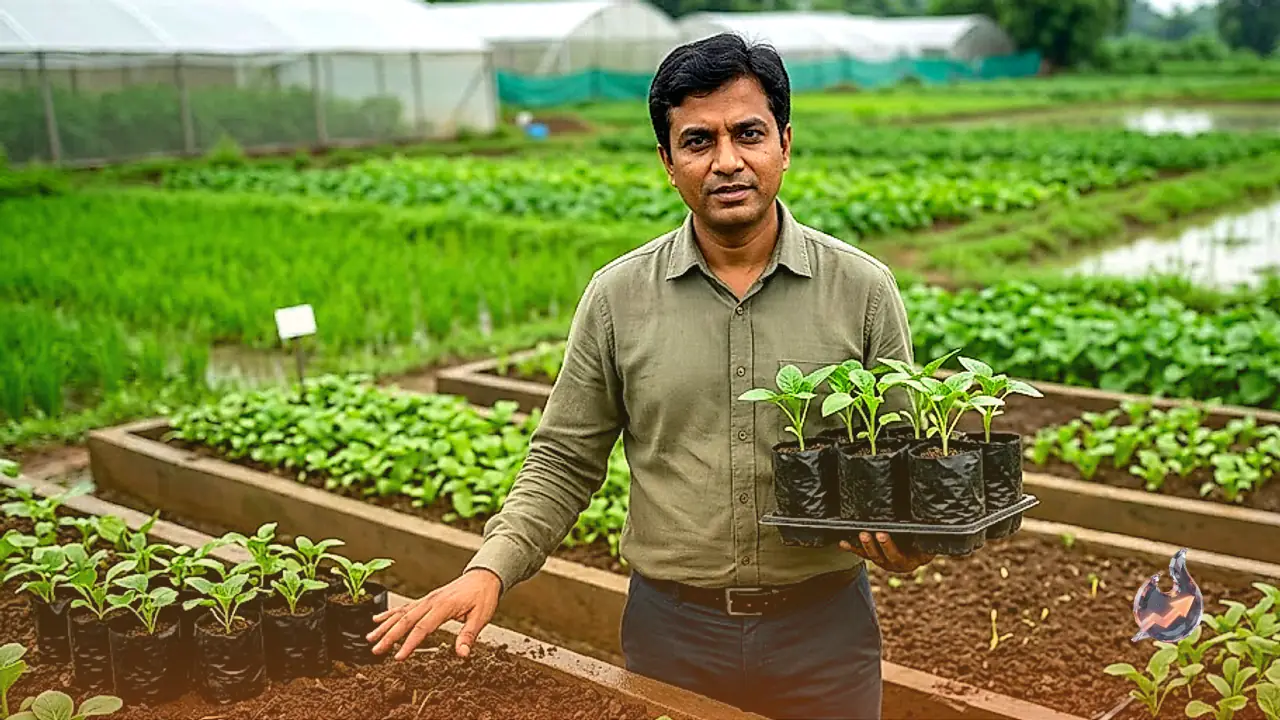
To navigate these seasonal challenges, agricultural experts are urging farmers to adopt scientific cultivation strategies that prioritize crop protection and smart resource management. Dr. Dilip Pandey, an agricultural scientist stationed at the Krishi Vigyan Kendra in Chiyanki, highlights that the initial stages of planting are the most critical. He strongly advises against sowing seeds directly into the open fields during the monsoon. Instead, farmers should prepare their nurseries using poly tubes or polybags. This controlled approach shields the fragile young saplings from the destructive force of heavy rain. Once the torrential showers subside and excess water has completely drained from the fields, these robust saplings can be safely transplanted.
Mastering Nursery Preparation and Transplantation
The physical layout of the field plays a crucial role in post-transplantation success. Dr. Pandey recommends moving the saplings to elevated upland areas or constructing raised beds with a proper gradient to facilitate rapid water runoff. Adopting the ridge and furrow technique is highly beneficial for vegetable crops during this wet season. By utilizing these elevated planting methods, farmers can successfully harvest vegetables like tomatoes, eggplants, and green chilies by the end of July. Reaching the market early during the monsoon often guarantees significantly higher and more lucrative prices for their produce.
Effective Drainage and Soil Nutrition
Effective drainage systems and balanced soil nutrition are the fundamental pillars of monsoon vegetable farming. Stagnant water remains the single greatest threat to plant health, making an efficient drainage network absolutely non-negotiable. As soon as the accumulated water is successfully drained from the farming plots, immediate steps must be taken to treat the damp soil. Applying two to two-and-a-half kilograms of Bentonite Sulphur per bigha of land is a highly effective intervention. Broadcasting this sulphur compound helps neutralize the fungal pathogens that thrive in waterlogged conditions. Alongside disease prevention, maintaining plant vigor requires a careful and restrained application of balanced fertilizers. Farmers are encouraged to integrate organic compost and manure into their fertilization routines to nourish the soil without overwhelming the delicate root systems.
Precision Irrigation in Wet Conditions
Counterintuitively, managing irrigation is just as important during the rainy season as it is during dry spells. Dr. Pandey points out that separate irrigation is entirely unnecessary during periods of continuous rainfall. Farmers must exercise patience and wait for the rain to halt and the topsoil to visibly dry out before introducing any additional water. When irrigation is required, transitioning to a drip irrigation system offers immense advantages. A drip setup meticulously delivers exactly one-and-a-half to two liters of water directly to the base of each plant on a daily basis. This precision technique conserves valuable water resources while ensuring the root zone retains the perfect level of moisture, ultimately leading to superior crop quality and enhanced profitability for the growers.
Traditional Remedies for Pest and Fungal Control
Beyond modern scientific interventions, traditional and indigenous farming wisdom provides powerful solutions for protecting crops from root rot and fruit decay. Incorporating organic deterrents directly into the soil is a time-tested strategy. Applying neem cake or a fine powder made from crushed neem leaves around the root base of the plants acts as a formidable natural shield against soil-borne fungal infections. For broader pest and disease management, a highly effective organic biopesticide can be prepared by mixing one liter of pure cow urine with eight to ten liters of water. Spraying this diluted organic solution over the foliage significantly diminishes the impact of both fungal outbreaks and destructive insect pests.
Managing soil moisture at the micro-level can also be achieved through simple household byproducts. Lightly sprinkling wood ash around the stems of the vegetable plants serves a dual purpose. The ash actively absorbs excess moisture from the immediate surface area, creating a drier microclimate that drastically reduces the probability of root rot developing in saturated conditions.
Protecting Vine Crops and Maintaining Hygiene
Special attention must be given to vine and creeper vegetables, such as gourds, whose fruits are particularly susceptible to rotting if left resting on the wet earth. To safeguard these specific crops, farmers must ensure the developing fruits never make direct contact with the damp ground. Constructing elevated trellises allows the vines to climb and keeps the fruits suspended in the air. If building a trellis is not feasible, laying a thick bed of dry grass directly underneath the resting fruits provides a crucial protective barrier against soil moisture. Finally, maintaining strict field hygiene through regular and thorough monitoring, coupled with the immediate removal and destruction of any diseased or infected leaves, is essential to halt the spread of pathogens and secure a healthy monsoon harvest.