






















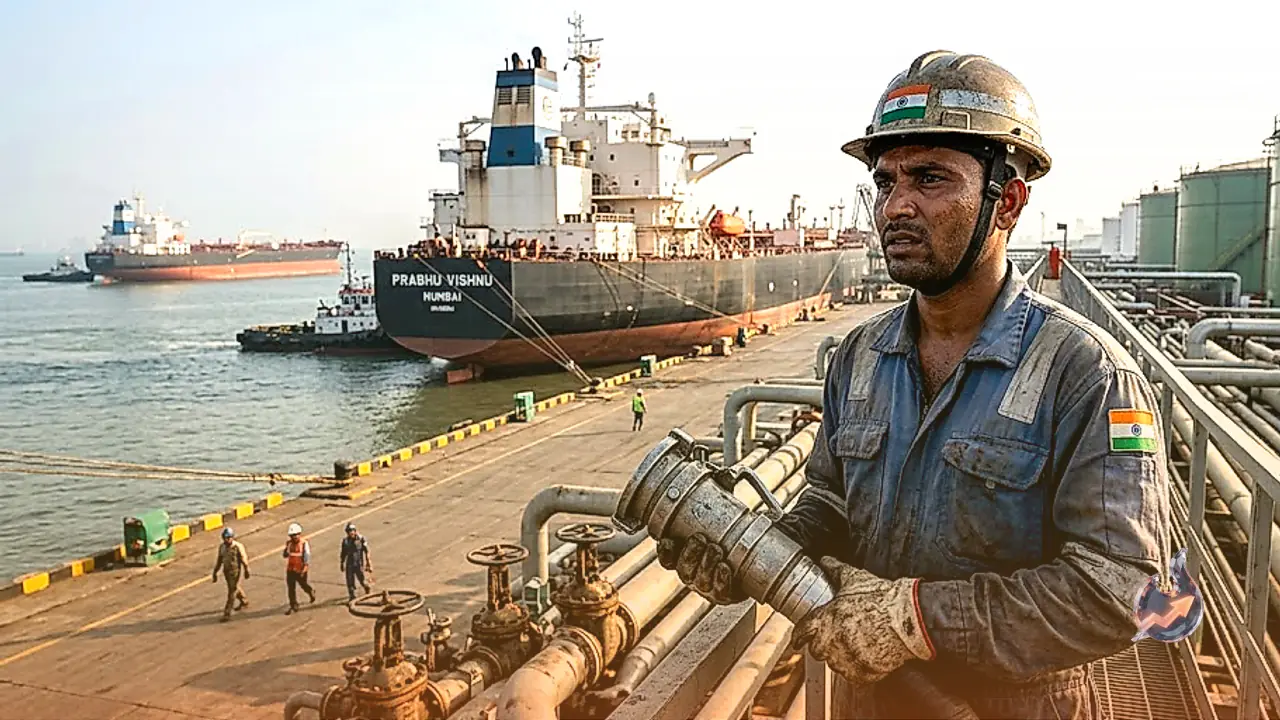

Intensifying armed conflict across strategic waterways in the Middle East and stringent regulatory proposals emerging from Washington have introduced widespread instability into the global petroleum trade. As vital transit channels face operational distress, Indian refiners are finding it increasingly expensive to secure replacement energy volumes. The financial strain is already visible in national accounts, where the crude import bill for the April to August period of the current fiscal year accelerated by roughly 50 percent to reach 74.8 billion dollars, compared to 50.4 billion dollars recorded in the corresponding months of the prior year.
Choke Point Strains and Regional Pipeline Disruptions
Maritime security has degraded sharply from the Persian Gulf down through the Red Sea following military strikes conducted by the United States and Israel against targets in Iran. While preliminary discussions between delegates representing Washington and Tehran briefly raised hopes for an understanding, the diplomatic opening dissolved within weeks. Critical passages including the Strait of Hormuz and the Bab al-Mandab Strait now face severe logistical hurdles. The normal flow of maritime tankers and container vessels ferrying crude, liquefied petroleum gas, and liquefied natural gas has encountered substantial friction, rattling energy markets across Asia and Europe.
Operational pressure has expanded beyond open waterways into landward transport systems. A drone raid directed at the critical East-West Pipeline infrastructure in Saudi Arabia added immediate stress to supply mechanisms. Official Commerce Department records indicate that Russia, the United Arab Emirates, and Saudi Arabia collectively accounted for more than half of India's aggregate crude intake during the first quarter of fiscal year 2026-27. Given this heavy concentration, any regional disruption directly translates into increased procurement costs for the domestic economy.
Sanctions Leverage and Volatility in Russian Crude Receipts
India's access to discounted Russian crude now contends with shifting policy dynamics in Washington. US lawmakers have advanced legislation penalizing the five largest global purchasers of Russian oil, empowering President Trump to levy tariffs of up to 100 percent on merchandise arriving from designated importing nations. This measure follows earlier sanctions targeted directly at state-linked Russian producers, specifically Rosneft and Lukoil, which had already introduced friction into bilateral flows.
Throughout 2025, Indian facilities sourced approximately 30 to 35 percent of their crude intake from Russia, translating to nearly 2.0 million barrels per day. Under mounting western regulatory scrutiny, that volume contracted to around 1.0 million barrels per day by February of this year. Washington sought to link a rollback of an additional 25 percent tariff to a reduction in Russian fuel uptake, though authorities in New Delhi never publicly endorsed such an arrangement. Shipments rebounded in March only after the United States granted a temporary two-month waiver designed to preserve stability in global supply.
Lessons from Prior Sanctions on Caracas and Tehran
The operational friction mirrors India's historical exposure to unilateral sanctions on other major producers. Prior to March 2019, Iran ranked among India's top five overseas suppliers, representing roughly 12 percent of annual purchases before American penalties forced an outright cessation of imports. When temporary regulatory allowances emerged during April and May of this year, Indian refiners moved quickly to bring in approximately 5.9 million barrels of Iranian crude.
Similarly, Venezuela's share in the Indian procurement mix stood above 6 percent in 2020-21 before plunging below 1 percent and subsequently halting entirely for two years following western restrictions on its oil and gas sector. Resumed purchases in 2023-24 allowed Caracas to regain its standing, returning to roughly a 6 percent share by April of this year. These precedents highlight how extraterritorial measures abruptly narrow India's commercial latitude during supply shocks.
Crude Basket Inflation and Ongoing Diplomatic Talks
The collision of supply curbs and maritime risks has produced a sharp price escalation. Prior to the latest round of hostilities, the Indian crude basket was trading comfortably below 70 dollars per barrel. Following the renewed friction across the Middle East, the reference price rallied by roughly 80 percent, moving past 125 dollars per barrel. While India has expanded its sourcing perimeter to roughly 40 nations over recent years to build resilience, securing spot volumes amidst a worldwide deficit carries an immense premium.
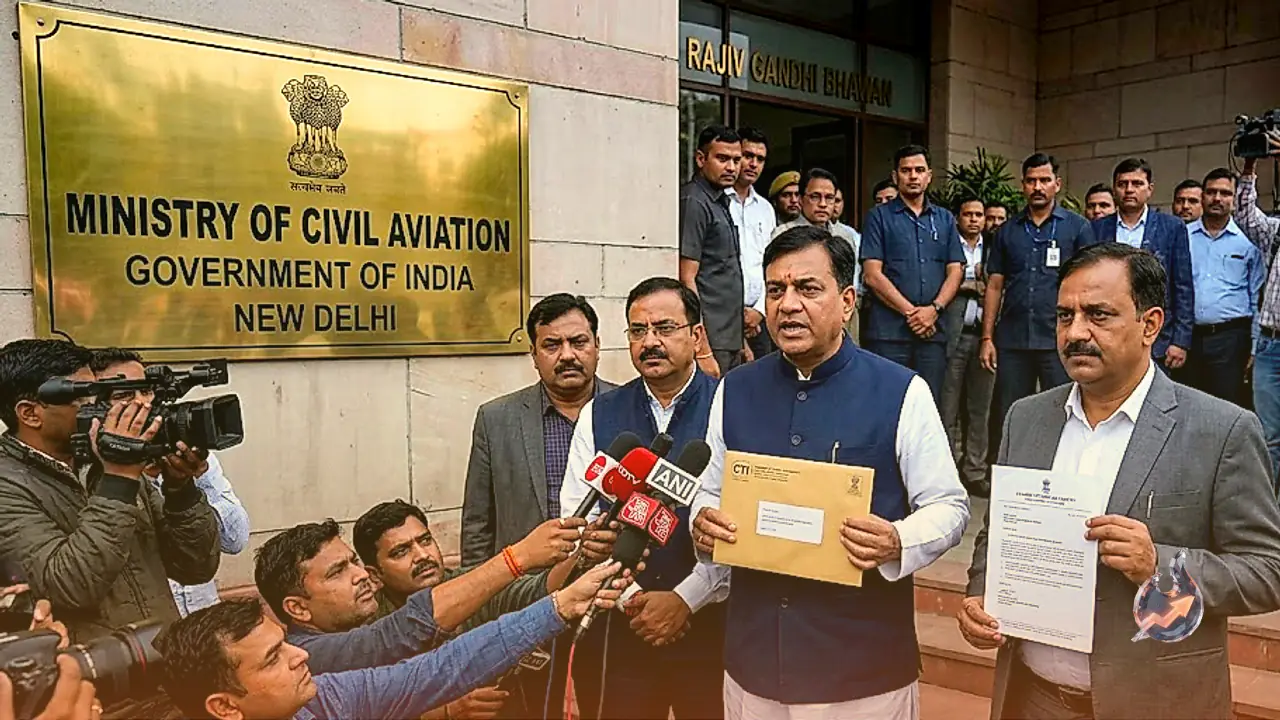
Addressing the fiscal exposure, the Ministry of External Affairs confirmed early this week that India remains in sustained communication with Washington to safeguard its commercial and economic interests. Bilateral exchanges at senior levels have underscored both the broader relationship and the acute vulnerabilities facing international energy security should supply corridors remain compromised.