





















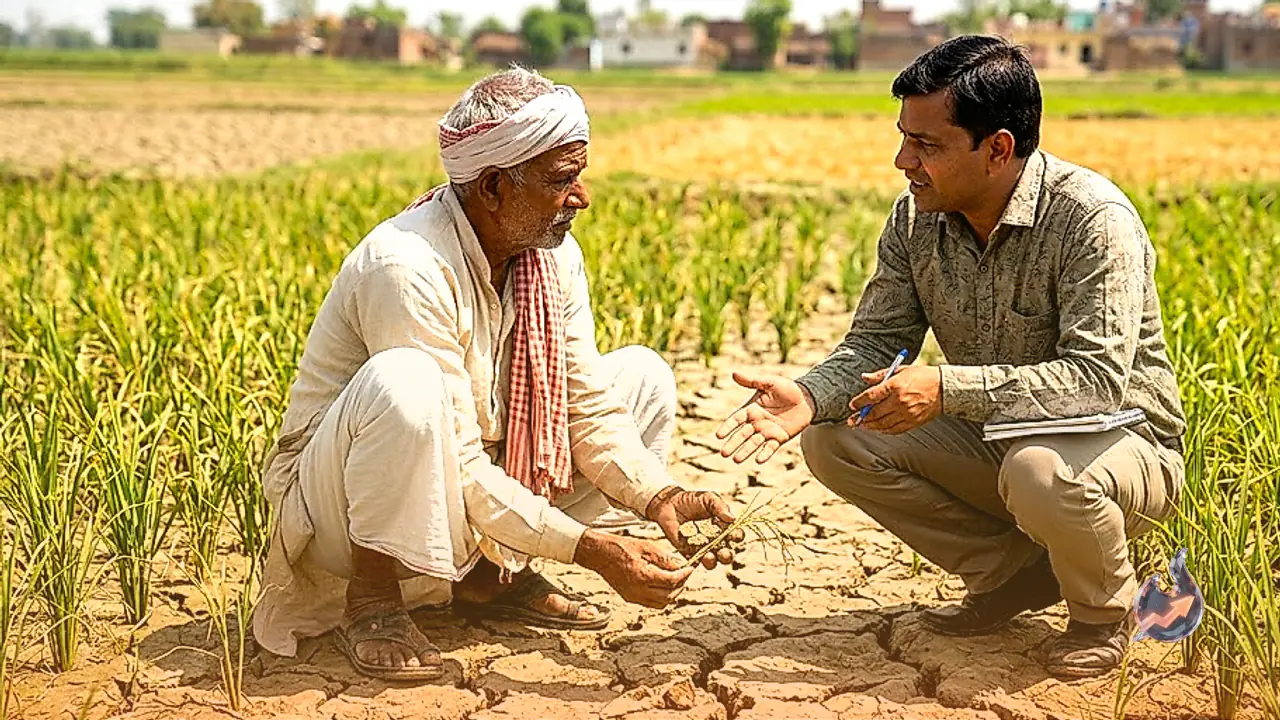

In Azamgarh district, the monsoon season has failed to align with the expectations of the local farming community, resulting in a precarious situation for paddy cultivation. Given that paddy crops require substantial water to thrive, the current shortfall in rainfall poses a significant threat to overall production. The unpredictability of the weather has heightened fears of reduced yields, leaving farmers in a vulnerable position. Experts emphasize that without adequate irrigation measures, there is a mounting risk of crops wilting and suffering irreparable damage.
The Threat to Paddy Nurseries
Addressing the gravity of the situation, Azamgarh agricultural officer Sadanand Chaudhary warned that the current climatic conditions are far from ideal for standard paddy farming. He noted that the lack of rain is forcing farmers to face not only operational hardships but also the looming threat of financial loss. While a large number of farmers in the district have already prepared their paddy nurseries, the absence of consistent rainfall has made it impossible to maintain necessary moisture levels in the fields. This has significantly increased the probability of the prepared seedlings drying up or being completely destroyed.
Prioritizing Irrigation and Weather Updates
Chaudhary advised farmers whose nurseries are beginning to dry out to arrange for immediate irrigation through whatever means are available, including the use of their own private resources. For those farmers who rely exclusively on rainfall, he suggested a more cautious approach, urging them to keep a close watch on weather forecasts and hold off on sowing until conditions improve. Waiting for a favorable weather window can prevent wasted effort and resources during this unpredictable season.
Diversification and Short-Duration Varieties
The agricultural officer further cautioned against an over-reliance on paddy, recommending that farmers consider adopting alternative crops that require significantly less water to mitigate the risk of financial loss. For those committed to paddy farming, he proposed opting for short-duration varieties instead of traditional long-term crops. Modern agricultural markets now offer varieties that mature in approximately 90 days, which serve as a more viable and safer alternative in the face of erratic rainfall patterns.
The Role of Hybrid Varieties
Additionally, Chaudhary highlighted the potential of hybrid paddy varieties as a solution for water-stressed regions. He explained that these varieties typically require less water and less maintenance, yet can still deliver excellent yields. Although the adoption of hybrid paddy cultivation in the Azamgarh district remains relatively low, he suggested that in light of the shifting climate, shifting toward these varieties could be a crucial step in maintaining production levels and insulating farmers from severe economic setbacks.