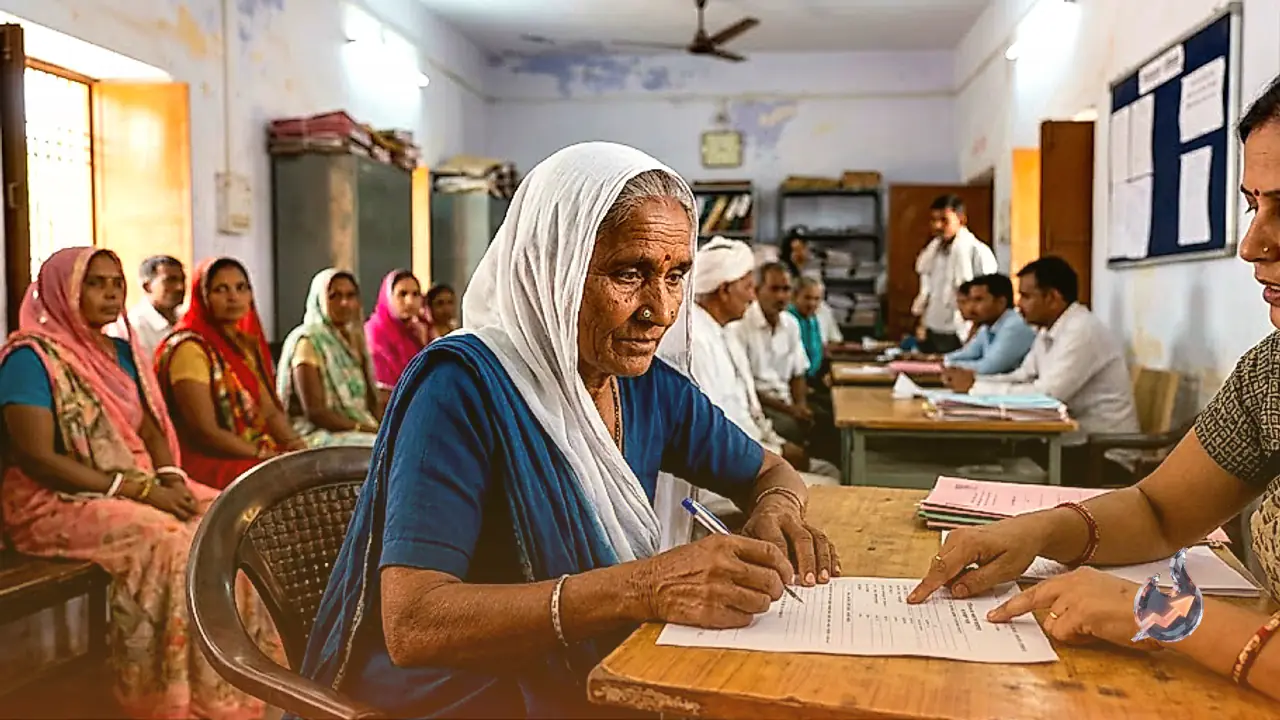


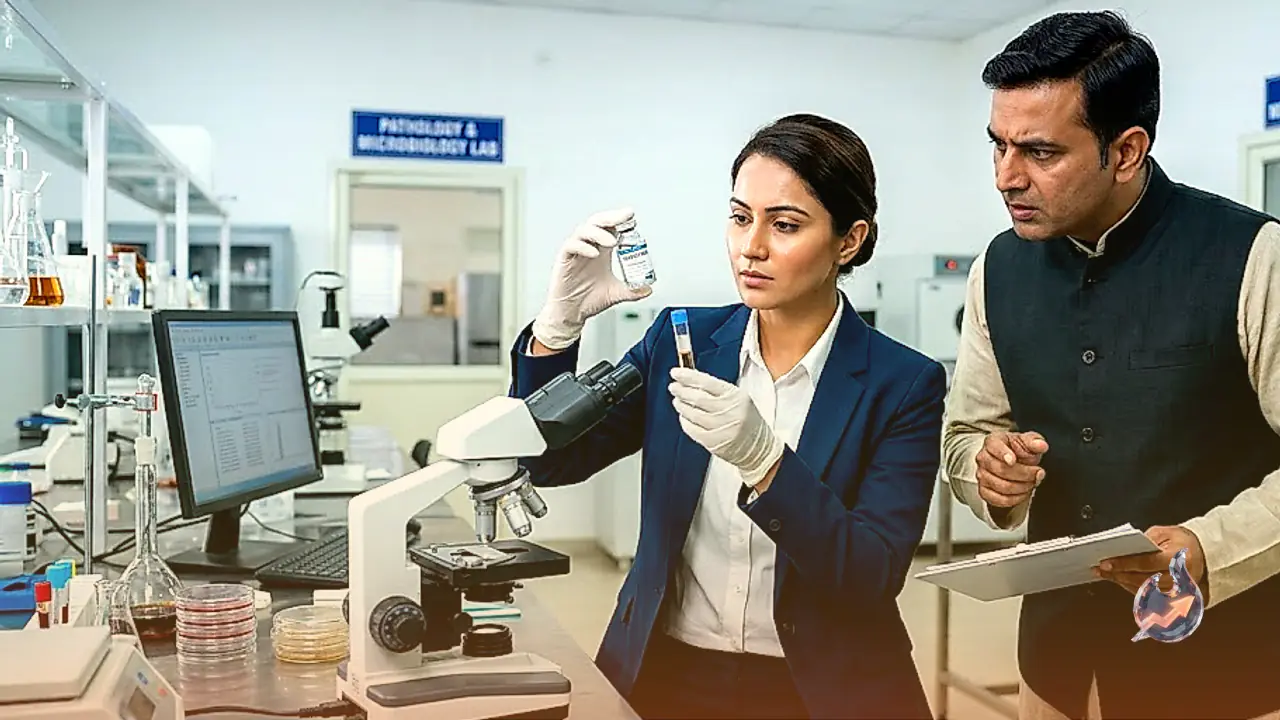




















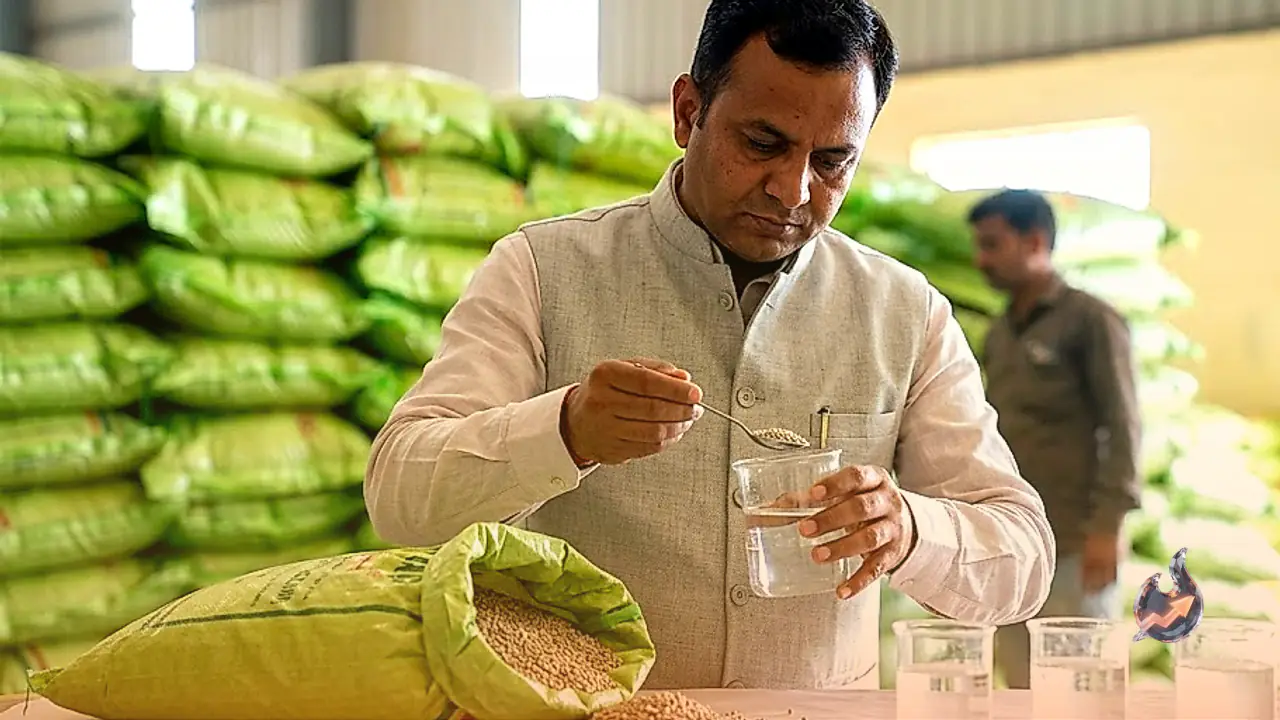

With the onset of the monsoon in the Sirohi district, farmers have commenced their Kharif season sowing activities. As the demand for essential nutrients like DAP fertilizer rises, a wave of counterfeit supplies has surfaced in the local markets. A significant consignment of fake fertilizer was recently seized in the Pindwara area, highlighting the growing risk. Profiteers are exploiting the peak seasonal demand to sell substandard products at the premium price point of authentic fertilizer, a trend that has been observed across various regions of the state.
How to Verify Genuine DAP Fertilizer
Vibha Saxena, Assistant Agriculture Officer at Abu Road, advises that farmers can perform basic tests on their own to verify the authenticity of their purchases. Primarily, farmers are urged to procure fertilizers exclusively from government-authorized depots or licensed retail outlets. Farmers should exercise extreme caution when dealing with unauthorized individuals who arrive in villages with trucks, offering to sell fertilizer bags directly at the doorstep.
Use these three methods for identification
- Physical Texture: Authentic DAP granules are exceptionally hard. They typically feature a dark brown, black, or almond-like color and cannot be easily crushed or broken using only a fingernail.
- Lime Test: Take a small amount of DAP granules on your palm and mix them with a pinch of lime. Rubbing this mixture together should produce a strong, pungent odor, which is a characteristic of genuine DAP.
- Heat Test: Place a few granules of the fertilizer on a hot griddle or pan. Genuine DAP granules will expand and swell up when exposed to heat.
The Long-term Impact of Counterfeit Fertilizer
According to Dr. Hemraj Meena, Deputy Director of the Horticulture Department, the application of substandard or fake fertilizer is detrimental to both crop health and soil quality. Using such products damages the root systems of the plants and severely degrades the natural fertility of the soil. When crops fail to receive adequate nutrition, the final yield drops significantly, resulting in substantial financial losses for the farmers. Agricultural experts emphasize that purchasing from trusted sources is the only way to avoid these severe economic and agronomic consequences.