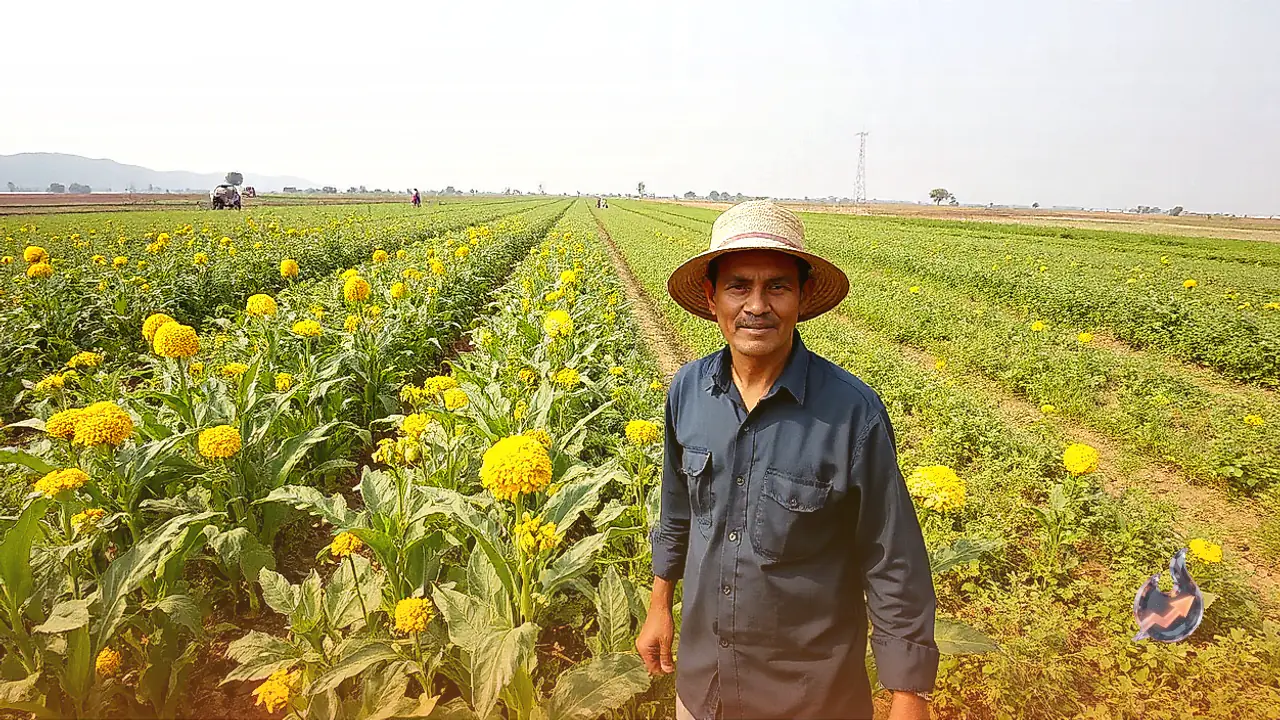

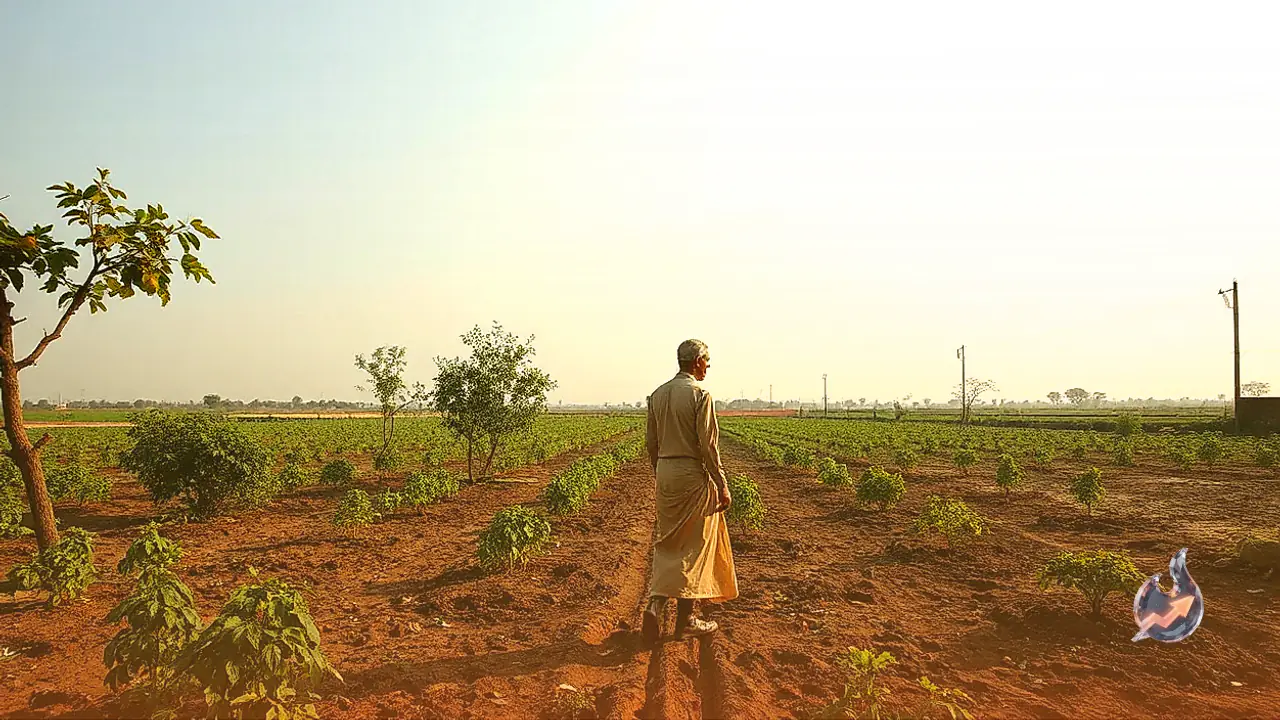





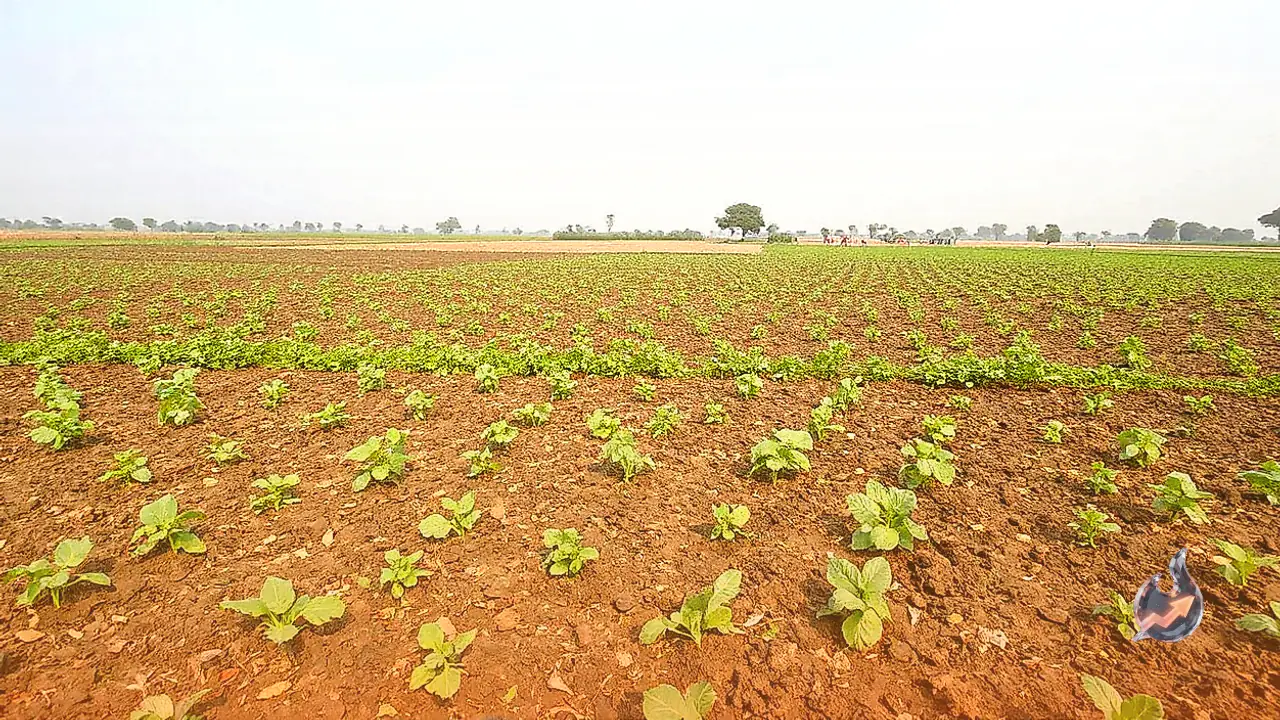
















As winter begins to set in during November, farmers in regions like Mirzapur have a lucrative opportunity to maximize their land's profitability. Planting high-demand winter vegetables during this transitional month can yield quick returns with significantly reduced operational costs. Lower ambient temperatures reduce the frequency of irrigation, while soil conditions remain ideal for rapid germination. By selecting fast-growing cash crops, agricultural producers can harvest their yields as early as December, capturing high market prices during peak seasonal demand.
High-Value Vegetable Crops for November Sowing
Agricultural innovator Gagan Upadhyay highlights several crop options that thrive when sown in November. Farmers can focus on short-duration and high-yield vegetables such as tomatoes, cauliflowers, chillies, capsicums, spinach, coriander, radishes, and okra. Leafy greens like spinach and coriander grow rapidly in cooler weather, allowing multiple cuttings within a short span. Meanwhile, crops like cauliflower and tomato command premium prices in retail markets as fresh winter produce enters high demand.
Cultivating these vegetables during early winter provides a distinct advantage in crop management. Because evaporation rates drop significantly in November, fields require far less water compared to summer or rainy season crops. This reduction in irrigation frequency translates directly into lower electricity and diesel expenditures, easing the physical labor needed to maintain the fields.
Soil Preparation and Initial Sowing Steps
Achieving optimal yield requires thorough soil preparation prior to planting. Gagan Upadhyay advises farmers to till the land extensively until the soil becomes fine and friable. Proper tilling improves aeration and root penetration, which are essential for young seedlings. If the soil shows any signs of termite infestation, applying preventive chemical treatments before sowing is critical to protect young root systems.
Maintaining adequate soil moisture prior to seed placement ensures uniform germination. Once the seeds are sown, farmers should apply a light initial irrigation to settle the soil. To foster robust early development, applying well-decomposed cow dung manure and vermicompost is highly effective. These organic inputs supply essential micronutrients and improve soil texture, giving seedlings a strong foundation before harsh winter cold sets in.
Nutrient Management and Crop Protection
Once the crops establish themselves and enter their active growth phase, targeted nutrient management becomes vital. After executing a second scheduled irrigation, farmers can apply urea and balanced fertilizers to stimulate vegetative growth and canopy development. Timely nutrient supplementation accelerates plant maturity, ensuring crops are ready for harvest by December.
Pest and disease management is equally vital for preserving yield quality. Cold weather can sometimes encourage specific insect pests, which can be managed effectively using sticky insect traps or recommended crop protection treatments. By keeping pests in check and maintaining proper nutrient levels, farmers can secure high-quality harvests that fetch maximum prices in local and regional wholesale markets.