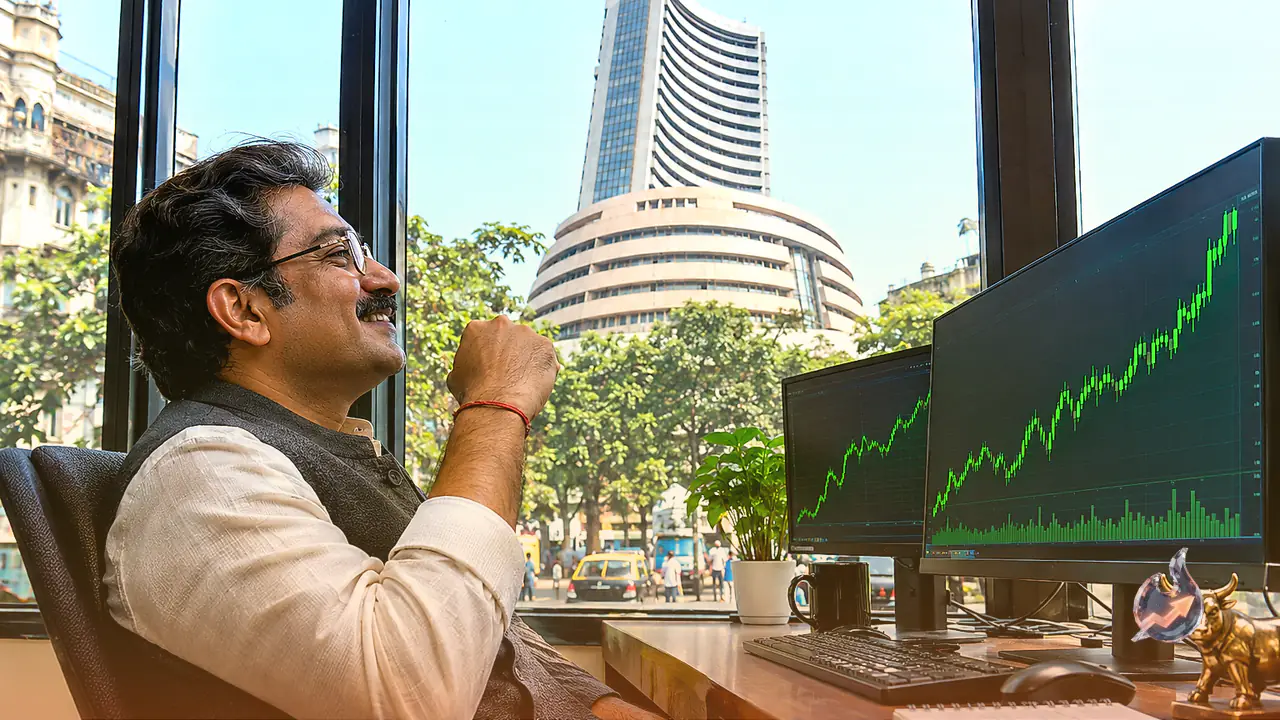

Indian markets improved across shares, currency and government bonds in November. The Sensex gained about 13%, the rupee reached an eight-month high and yields on the benchmark 10-year government bond fell by about 20 basis points. HSBC Global Investment Research’s latest report said the simultaneous moves marked a shift in investor mood, with greater willingness to take risks replacing the earlier preference for avoiding them.
The report set the rebound against a period when the Iran-US war was affecting Europe and the United States, while India’s growth rate remained above 7%. HSBC identified the country’s large domestic market as a major source of resilience. Its capacity to produce for its own needs and sustain consumption can limit the effect of turbulence in overseas markets, the report said.
Shares, the rupee and bonds all advanced
HSBC said November’s improvement helped Indian markets recover ground after underperforming other emerging markets over the preceding months. Equities rose, the rupee strengthened and government bond yields declined. The report put the Sensex’s gain so far in November at about 13%. The rupee traded below 92.50 against the dollar as it reached its highest level in eight months.
Over the same period, the yield on the benchmark 10-year government bond fell by about 20 basis points. A decline in bond yields is generally associated with an increase in bond prices. The move came while the availability of cash in the banking system remained under pressure. HSBC viewed the improvements in equities, foreign exchange and interest rates together as evidence of a broader change in market sentiment.
Foreign investment and exports added support
The return of foreign investors in November was one of the main factors behind the market advance. HSBC said a positive relationship between returns in equity and debt markets also pointed to investors becoming more willing to accept risk. In recent years, domestic investors had played an important part in cushioning the effect of selling by foreign portfolio investors. The latest improvement followed a period in which domestic investment had helped absorb that selling pressure.
Growth in merchandise exports also strengthened business activity. In the previous quarter, India’s merchandise exports rose 25% year on year. HSBC said the increase supported trade and helped establish a path for longer-term growth. The report also cited India’s large consumer market as a reason the economy may be less exposed to disruptions elsewhere in the world.
Liquidity and growth will matter for gains through 2027
HSBC cautioned that November’s rally alone does not ensure further gains. To sustain the improvement in markets through 2027, the brokerage said expectations for domestic economic growth need to strengthen and more liquidity needs to become available in the banking system. The report warned that cash in the system could remain limited.
It linked that concern to the Reserve Bank of India tightening monetary policy amid rising inflationary pressure. The outlook therefore contains both support and strain: domestic demand and exports helped the economy, while inflation and banking liquidity remained concerns. HSBC’s assessment was that India outperformed other emerging markets in November, but maintaining that pace will depend on both growth and the availability of cash.