






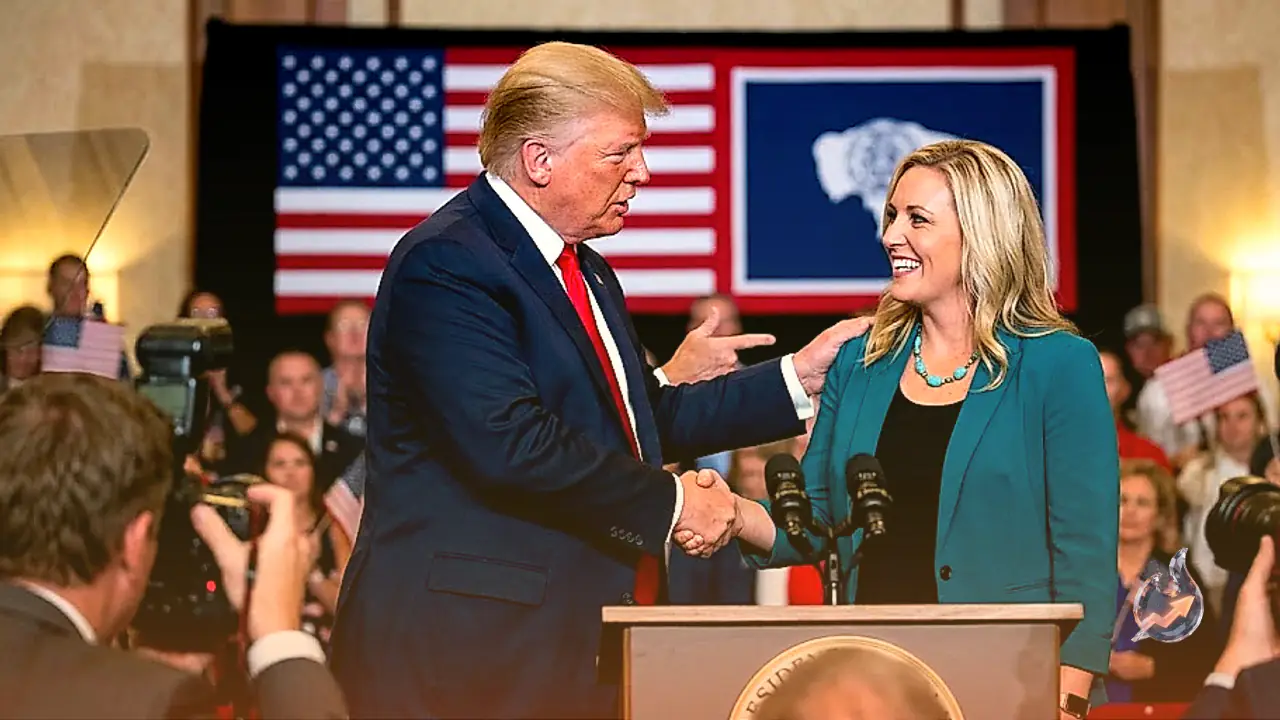















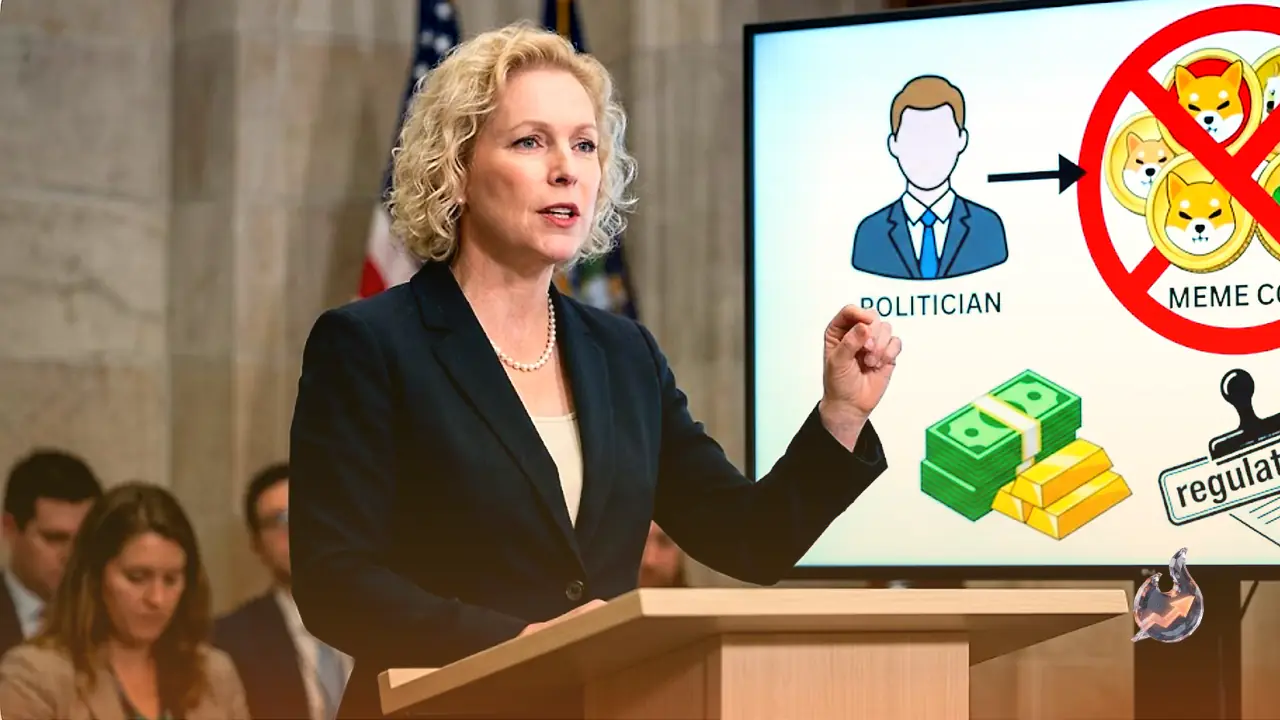

A fresh political fight is brewing in Washington over how much money elected leaders should be allowed to make from crypto. It comes after a disclosure this week revealed that President Donald Trump earned more than $1.2 billion from his crypto ventures last year. In response, New York Senator Kirsten Gillibrand is once again pressing for a ban that would stop politicians and their spouses from issuing and promoting digital assets.
The proposed restriction would also cover meme coins, which both Trump and his wife, First Lady Melania Trump, profited from over the past year. The president alone is said to have made more than $635 million from his Solana-based meme coin.
Gillibrand's Case
"This is a commonsense requirement that should get broad bipartisan support, public officials and their spouses should not be issuing meme coins," Gillibrand said in a statement.
"We cannot let self-dealing destroy an opportunity to strengthen consumer protections, crack down on illicit finance, and expand economic opportunity for the millions of Americans our financial system has left behind," she added.
A Longer Ethics Fight
Gillibrand ranks among the most pro-crypto Democratic senators, yet she has also been leading an ethics campaign around the conduct of those working in Congress. Earlier this year, she headed a bipartisan effort to stop members of Congress from placing wagers on prediction markets, a move driven by rising concern over possible insider trading, including allegations that people close to the White House could be unfairly profiting from inside information.
She has also spoken out in favor of banning stock trading by public officials while they hold office.
"The time to act is now, and that must include ethics reforms that prohibit members of Congress, the president, and their spouses from cashing in on their office," she said.
Crypto Bill in Limbo
These ethics questions have become a sticking point in advancing a major piece of crypto legislation, the Clarity Act market structure bill. In May, the senator said the bill would not pass without an ethics provision that also applied to President Trump's activities.
Yet when the measure cleared a key Senate vote, no agreement on ethical guardrails for public officials had been reached. Even so, the odds of the bill passing this year have slipped to roughly 50-50, according to Galaxy researchers, who blamed a shortage of time rather than any problem with its content.