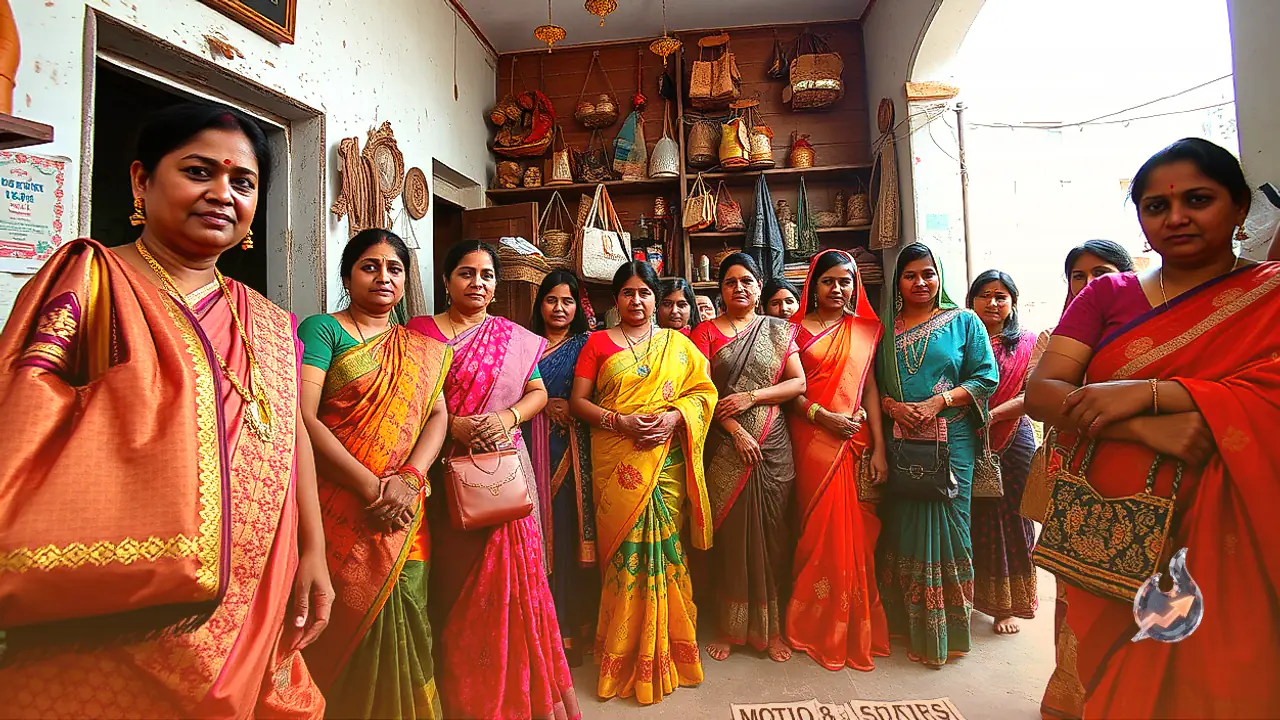




















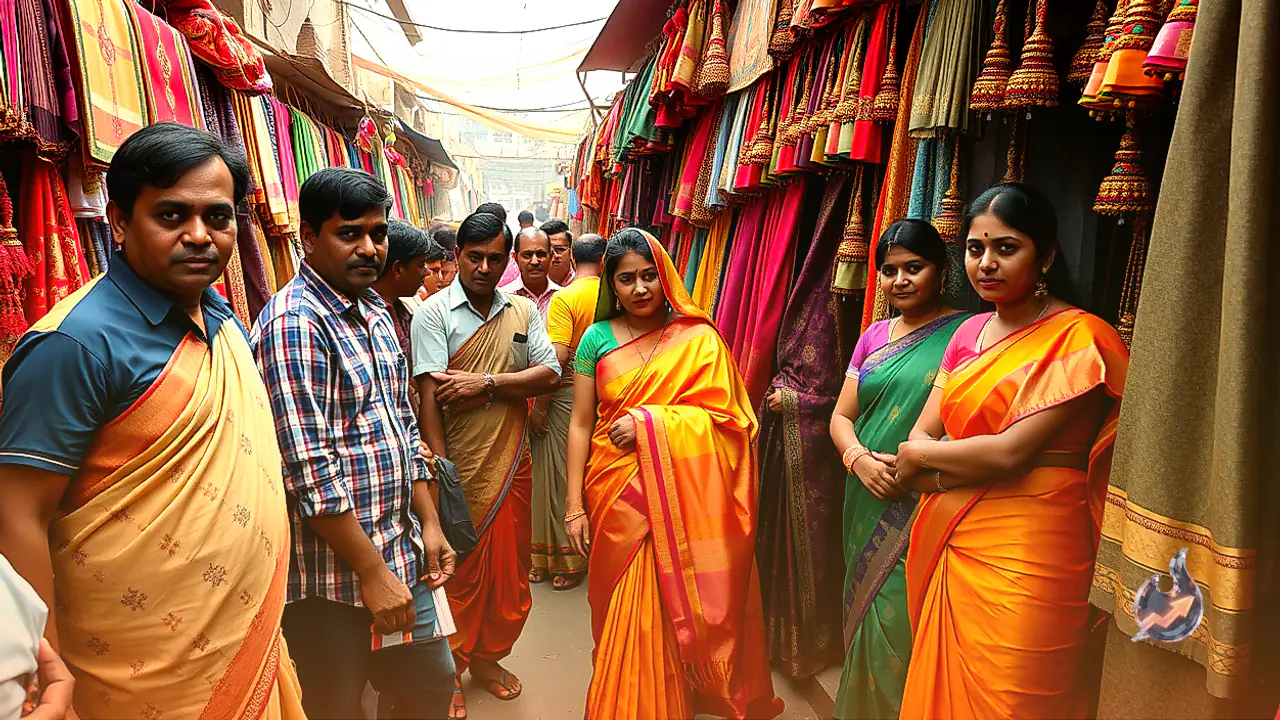

Purchasing a silk saree for a wedding or any special occasion involves looking beyond its color and design. The type of silk and zari used in the fabric significantly influences its price, overall appearance, and durability. Particularly with traditional garments like Banarasi, Kanjivaram, and Paithani sarees, understanding the material quality and the composition of the zari is essential for every buyer.
The market offers several varieties alongside pure silk, including silk blends and art silk. Observing the texture, sheen, weight, and product labels provides a preliminary idea of quality. However, DIY tests performed at home should never be treated as definitive proof.
Distinguishing Between Pure Silk and Silk Blends
Silk is a natural protein fiber. Mulberry silk is widely recognized for its smooth texture and natural luster, whereas Tussar or Kosa silk typically features a more textured feel. In contrast, silk blends may incorporate other fibers alongside silk, while art silk and synthetic fabrics are engineered to mimic silk's sheen. Consequently, judging a saree's purity based solely on its appearance is misleading. Buyers should examine the bill or product label for fabric specifications, and when purchasing expensive pieces, inquire directly whether the garment consists of 100 percent silk or a fiber blend.
Understanding the Burn Test and Its Limitations
Because silk is a protein fiber, it reacts differently to heat compared to synthetic fibers. Traditional methods involve burning a loose thread to observe its smell and residue. Natural silk typically produces the odor of burning hair and crumbles into a powdery ash, whereas synthetic fibers like polyester melt into hard beads. However, performing this test at home damages the garment and poses safety risks. Furthermore, mixed fabrics yield inconclusive results, meaning such methods are best left to trained textile experts.
Evaluating Zari Quality and Authenticity
Zari enhances a saree's borders, pallu, and overall design with a distinctive sheen, but it comes in various forms, including real metal zari, silver or gold-plated zari, and synthetic metallic zari. Visual inspection alone makes it difficult to determine the exact metal used. Trying to scratch the zari to inspect the inner core can ruin the garment. Therefore, when purchasing a high-value saree, requesting documentation or structural details from the vendor is a much safer approach. When buying a saree as an heirloom or investment, getting the fabric and zari details explicitly written on the purchase bill remains a wise practice.
Key Factors to Keep in Mind While Shopping
Before finalizing a purchase, touch the fabric to assess its texture. The luster of silk rarely appears completely flat and often shifts depending on the lighting angle. Inspect the weave closely and examine the craftsmanship along the borders and pallu. Most importantly, ask the retailer whether the saree is made of pure silk, a silk blend, or art silk, and inquire about the specific materials utilized in the zari work.