



















Poultry farming has increasingly emerged as a viable entrepreneurial avenue across rural and semi-urban landscapes. In Bihar, this commercial activity is no longer confined to major urban peripheries, as a growing number of individuals in rural pockets take up bird rearing. Alongside conventional bird rearing, layer farming, which focuses specifically on egg production, has gained steady traction. For prospective business owners looking to enter the sector, the fundamental dilemma lies in choosing between selling poultry meat or running an egg-laying enterprise. Both ventures entail distinctly different capital commitments, revenue dynamics, and exposure to risk. Akshay Kumar, an entrepreneur operating a farm in Barbatta within the Kako block of Jehanabad with nearly 6 years of industry experience, provided a detailed breakdown of capital costs, earnings timelines, and essential safeguards for both paths.
Setting Up a 1,000-Bird Unit and Capital Requirements
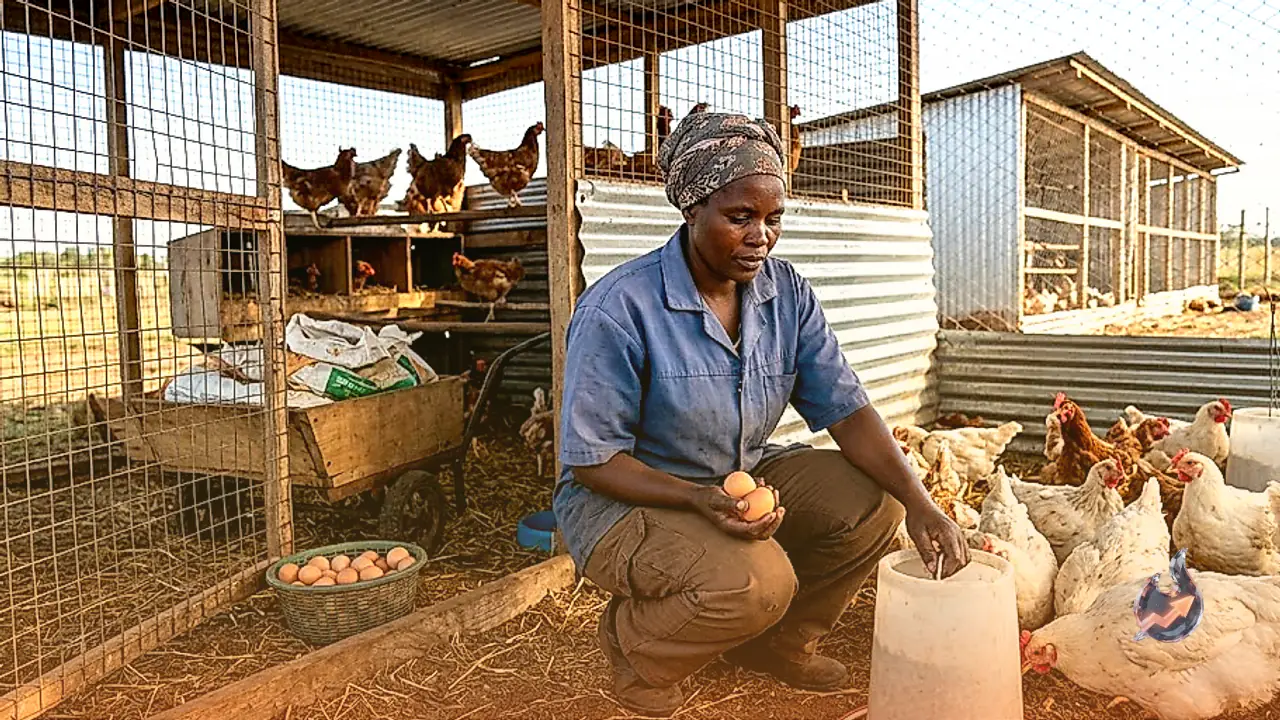
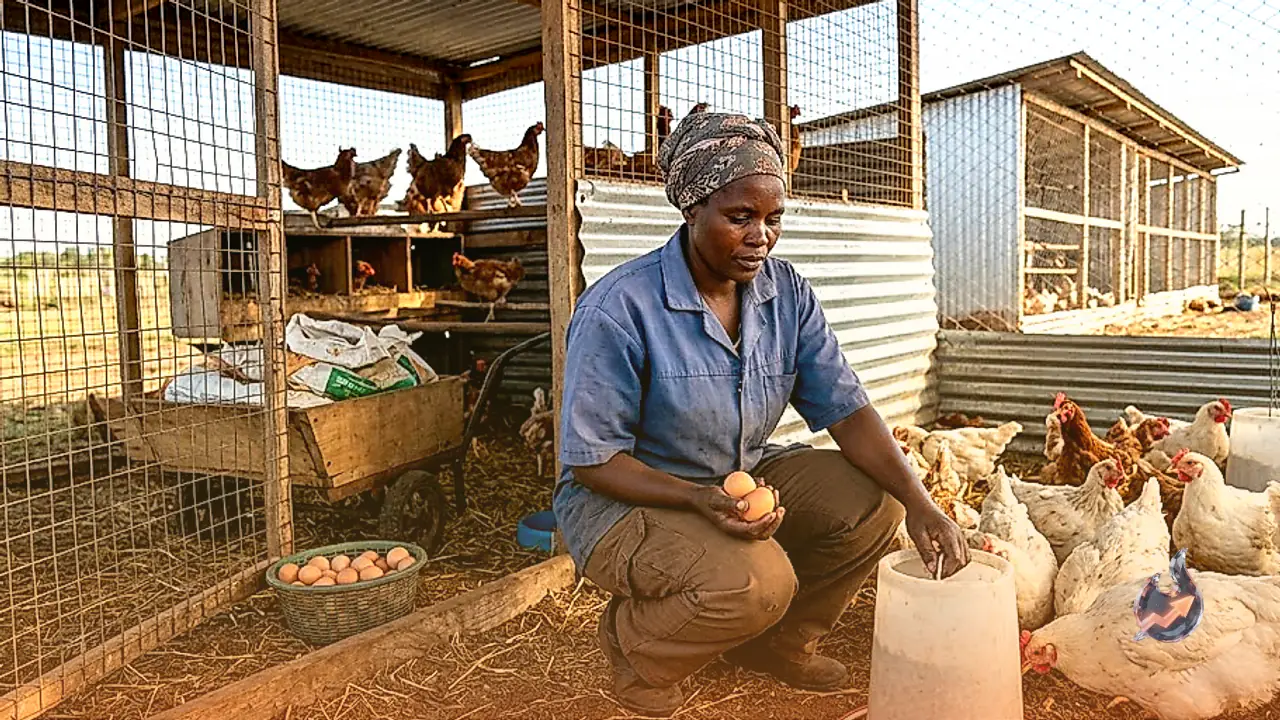
Commencing a standard poultry farming setup requires a relatively moderate entry budget compared to other livestock activities. Setting up an enclosure capable of housing 1,000 birds demands approximately one kattha of land. Siting the shed requires careful planning; the structure should ideally be situated at a safe distance from dense residential settlements, ensuring unhindered airflow, ventilation, and strict hygiene protocols.
The preliminary investment structure breaks down into three core components. Constructing the basic farm shed typically incurs around 30,000 rupees. Procuring the initial batch of 1,000 young chicks requires an estimated 50,000 to 60,000 rupees. Incidental expenses covering feeders, waterers, and routine medications add another 20,000 rupees. Consequently, launching a 1,000-bird setup involves an initial outlay in the vicinity of 1.10 lakh rupees. Actual expenses remain subject to regional land costs, construction quality, fluctuating chick market rates, and feedstock prices.
Gestation Period and Revenue Realisation
One of the primary advantages of meat-oriented poultry is its short operational cycle. When day-to-day management remains rigorous and bird mortality is held to a minimum, cash inflows can commence roughly one month after launching the batch. Selling the first mature cohort can yield an estimated gross return of about 30,000 to 35,000 rupees.
Through systematic batch rotation and disciplined sanitation, a farm manager can realistically cycle through approximately three batches within a calendar year. Net margins, however, remain sensitive to external variables. Fluctuations in chick procurement prices, commercial feed costs, sudden disease outbreaks, baseline mortality rates, and volatile open-market meat rates directly govern ultimate profitability.
Layer Farming: Capital-Intensive Scale for Egg Production
Layer farming operates on a completely different scale, centring entirely on sustained egg harvesting rather than meat turnover. Establishing a dedicated layer farm is far more expensive than setting up a standard broiler farm. Launching a commercial-scale layer enterprise can necessitate a capital injection of 50 to 60 lakh rupees or more. Entrepreneurs seeking to offset this upfront burden can explore applicable government support schemes and departmental subsidies based on eligibility criteria.
For an industrial unit housing 10,000 birds, comprehensive project outlays can escalate to roughly 1 crore rupees. This substantial expenditure accounts for specialized multi-tier housing structures, feeding automation, climate management equipment, long-term breed acquisition, prolonged feed reserves before lay onset, and durable sanitation systems.
Revenue Mechanism and Operational Margins in Egg Production
Revenue in a layer setup is driven primarily by bulk or direct sales of harvested eggs. Operating a 10,000-bird layer facility offers an opportunity for sizable, continuous volume. While net annual earnings can stand around 2 to 3 lakh rupees under standard operating conditions, this figure fluctuates based on market performance.
Egg realization values in wholesale mandis fluctuate continuously, while commercial feed expenses represent a substantial recurring drag on working capital. Furthermore, peak laying efficiency, physiological decline across older flocks, vulnerability to infectious ailments, electricity demands, and farm labour wages collectively decide the final bottom line.
Structural Contrasts Between Broiler and Layer Units
The operational models of these two businesses differ widely in duration and working capital needs. A broiler poultry farm focuses on bringing birds to market weight over a brief turnaround window, keeping working capital locked for only short intervals before fresh batches arrive.
Layer farming, by contrast, demands a sustained long-term commitment. Birds must be maintained, nourished, and sheltered over prolonged cycles to sustain egg production. This translates to substantial front-loaded investments in structures, dedicated machinery, consistent feed procurement, and extended disease surveillance.
Crucial Prerequisites Before Commencing Operations
Stepping into poultry or layer farming requires far more preparation than merely buying chicks and building an enclosure. Maintaining strict biosecurity, constant shed temperature regulation, potable water access, balanced nutrition, timely vaccination schedules, and infection prevention measures are indispensable.
Aspiring entrepreneurs should thoroughly examine regional market dynamics before investing funds. Evaluating local feed availability, procurement expenses, wholesale distribution networks, and the fine print of relevant state-backed assistance schemes will significantly reduce vulnerability to unforeseen market downturns and biological losses.