







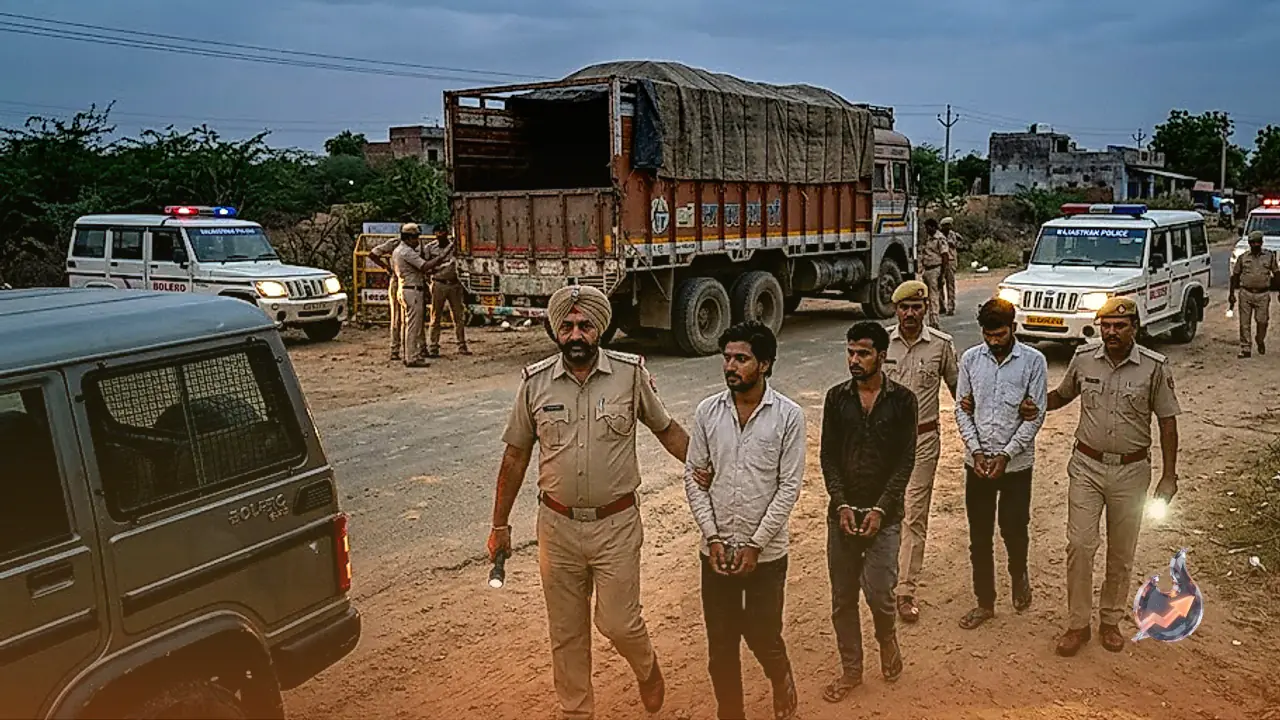














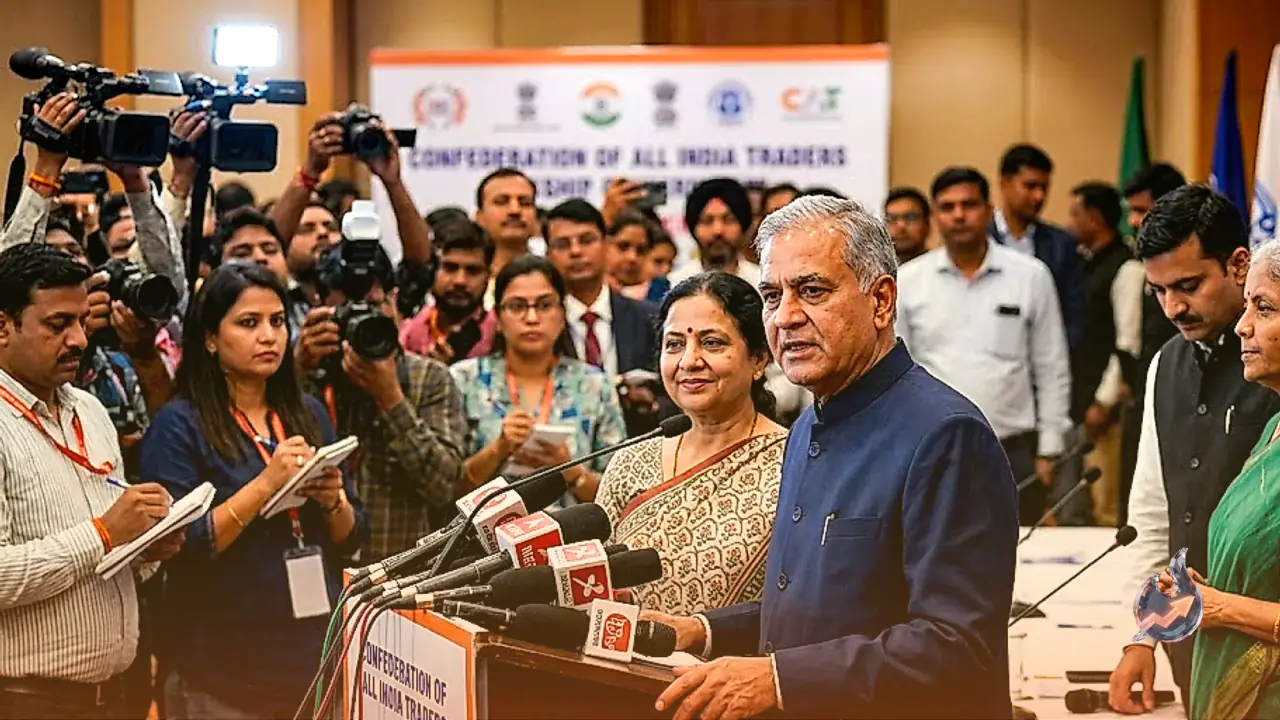

Two prominent national trade bodies, the All India Consumer Products Distributors Federation and the All India Mobile Retailers Association, have officially called off their planned nationwide 'No UPI Day' protest that was scheduled to take place on October 2. The resolution followed high-level discussions held at the office of Union Finance Minister Nirmala Sitharaman in New Delhi on Wednesday. The retail associations had earlier announced the collective boycott to register their opposition against a proposed 0.40% Merchant Discount Rate on eligible person-to-merchant UPI transactions exceeding Rs 2,000.
Finance Ministry Delegation Led by Praveen Khandelwal
A delegation comprising approximately 20 senior trade representatives representing retail and distribution networks across multiple states attended the meeting in the national capital. The group was led by CAIT Secretary General and Chandni Chowk Member of Parliament Praveen Khandelwal. The delegates submitted their concerns directly to the finance minister, detailing the operational challenges that the commercial retail sector anticipates from the sudden introduction of digital payment charges.
During the session, the merchant associations urged the government to review the entire framework surrounding the proposed MDR mechanism. Key among their appeals was a plea to defer the enforcement timeline, particularly keeping in mind the impending festive rush when retail footfalls and digital payment volumes traditionally hit their annual peak. The associations also recommended raising the minimum transaction threshold beyond Rs 2,000 and requested a comprehensive examination of how digital payment costs might squeeze merchant operating margins. After receiving official assurances that their grievances would be carefully evaluated, the leadership of both organisations agreed to withdraw the October 2 strike.
Status of the Proposed 0.40% MDR Framework
The suspension of the protest does not indicate that the planned MDR has been cancelled or permanently withdrawn. Under the existing blueprint, the 0.40% MDR on designated person-to-merchant UPI transactions above Rs 2,000 remains scheduled to take effect from October 15. The regulatory framework incorporates a statutory ceiling, capping the maximum charge at Rs 300 per single transaction.
Importantly, regular peer-to-peer money transfers between individuals remain completely exempt from any levy. Transactions made to retail merchants that do not exceed the Rs 2,000 threshold are likewise untouched by the proposed charge, and eligible small merchants continue to enjoy zero-MDR protections. Government data indicates that roughly 96% of all person-to-merchant UPI payments by volume will remain entirely free from any additional cost, insulating the vast majority of day-to-day shopping activity.
How the Proposed Charges Calculate on Higher Transactions
Under the outlined charging schedule, the financial impact will be restricted to commercial payments that surpass the baseline value. For instance, on an eligible merchant transaction worth Rs 3,000, the 0.40% levy translates to an MDR of Rs 12. For a retail purchase amounting to Rs 50,000, the applicable charge works out to Rs 200.
To safeguard large purchases, the policy institutes a maximum cap of Rs 300 for single transactions valued at Rs 75,000 and higher. This cap ensures that high-value billing in electronics, wholesale supplies, or high-ticket consumer durables does not face open-ended deductions. While the festive protest has been avoided, trade associations continue to await formal policy clarity from financial authorities prior to the scheduled October 15 implementation date.