

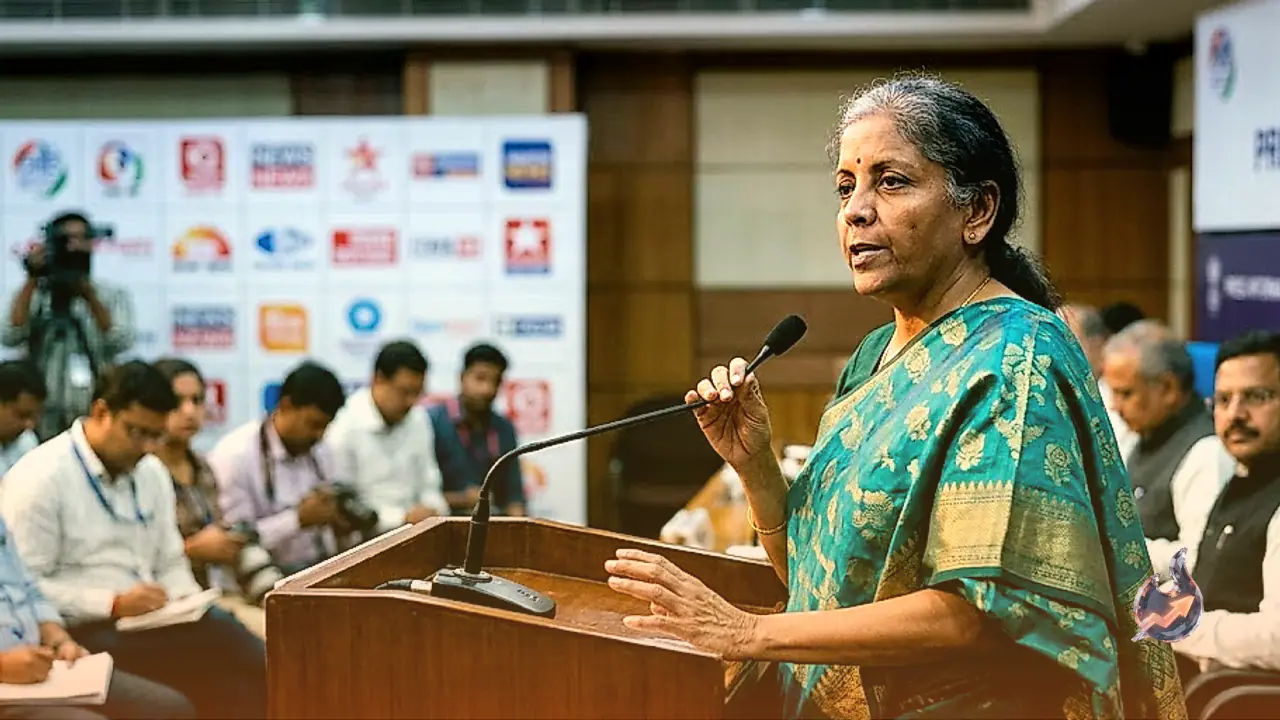














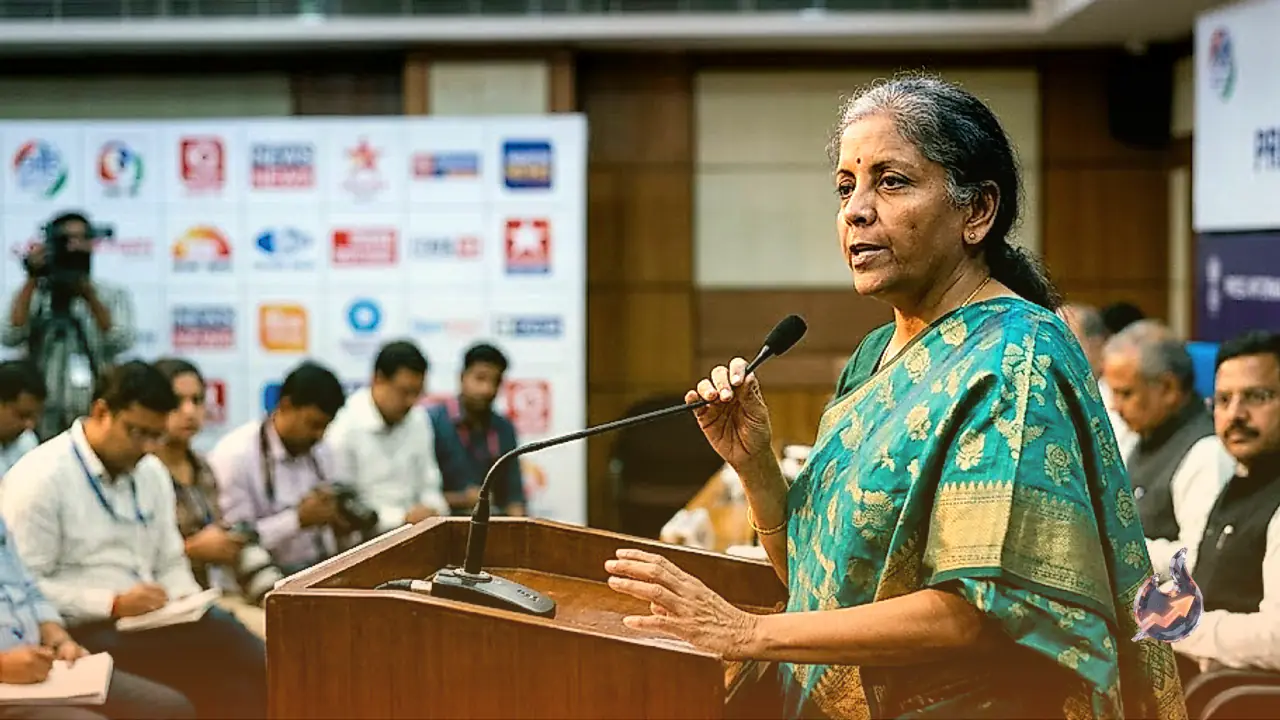

Whenever trade figures between India and China come under review, a recurring question arises as to why India's exports are significantly lower while imports remain remarkably high. During the previous fiscal year, India faced a staggering trade deficit of approximately 90 billion dollars with China, highlighting a major imbalance where outward shipments lag far behind inward purchases. However, Finance Minister Nirmala Sitharaman unraveled the true reality behind these trade statistics, pointing out that China actually purchases massive amounts of Indian goods. The catch is that Beijing brings in these commodities through third countries rather than importing them directly, which results in these substantial volumes failing to register under India's official export ledger.
Boosting Domestic Manufacturing and Reducing Reliance
Sitharaman stated that the central government has introduced several key announcements in the Union Budget aimed at boosting domestic manufacturing and providing necessary backing to industries so they can cut down their heavy dependence on foreign nations. The administration is actively incentivizing businesses that are keen to transition toward indigenous production and minimize reliance on external sources. She acknowledged that while India's official export data creates the impression that shipments to China are insufficient, certain specific commodities are predominantly sourced from India by Chinese buyers, who then route them through Vietnam. This indirect channel is precisely why these large transactions do not get credited to India's direct export accounts.
The Technical Reality of Trade Channels
Elaborating on the technicalities, Sitharaman maintained that if India is supplying goods consumed in China, those transactions should technically count as Indian exports, even though the current systemic setup fails to reflect that. Speaking candidly, she admitted that while her remarks might not sound diplomatic or palatable to everyone, India continues to struggle with securing adequate market access in China for high-volume and high-value categories. Pointing to specific examples such as buffalo meat and generic pharmaceuticals, she noted that these high-demand products are extensively bought by China from India, yet they reach the Chinese market through Vietnam or alternate intermediary nations rather than via direct trade routes.
Clarifying Welfare Schemes and Digital Payments
Addressing questions regarding government expenditure, the Finance Minister emphasized that public welfare initiatives and support schemes are implemented after meticulous planning and proper budgeting. She asserted that any program backed by a rightful budget allocation is financially sustainable and should not be sensationalized or dismissed merely as freebies. Turning to digital transactions, she addressed concerns surrounding the proposed Merchant Discount Rate on UPI payments, clarifying that the charge is neither a tax, cess, nor surcharge, and none of its proceeds go to the government treasury. Instead, the fee remains strictly between merchants and payment service providers, ensuring that no financial burden is passed down to ordinary consumers.