



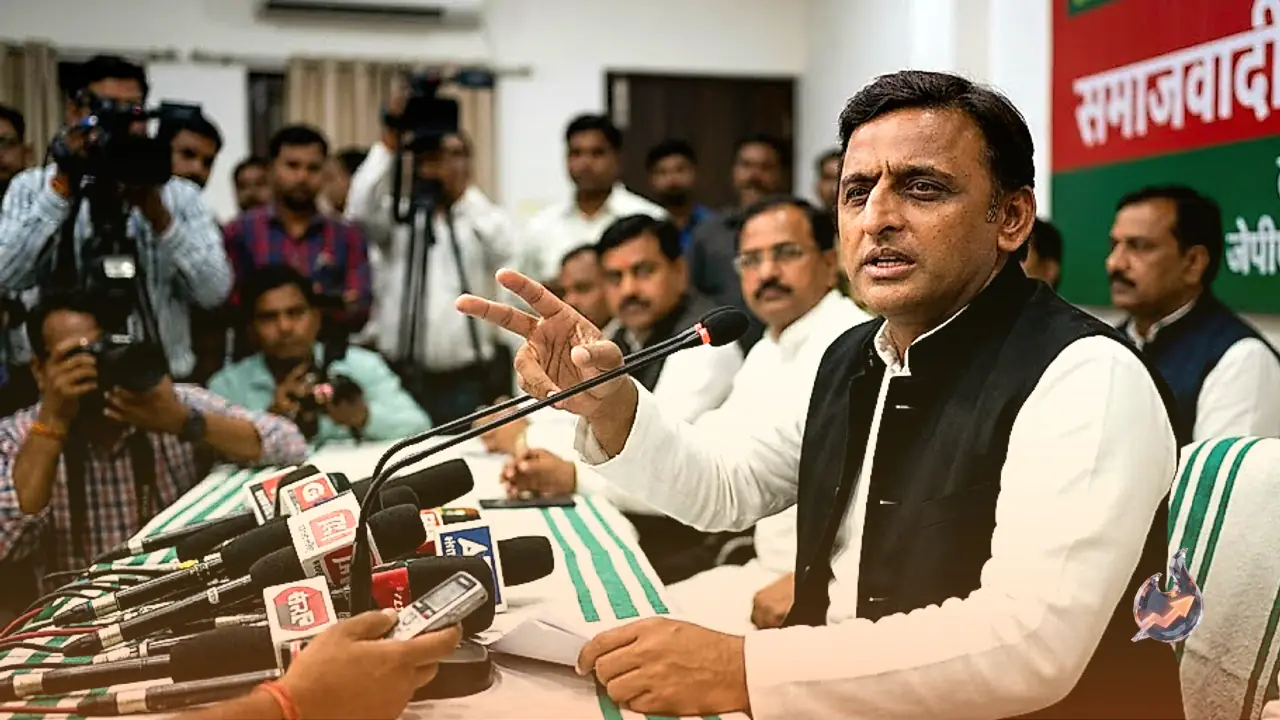

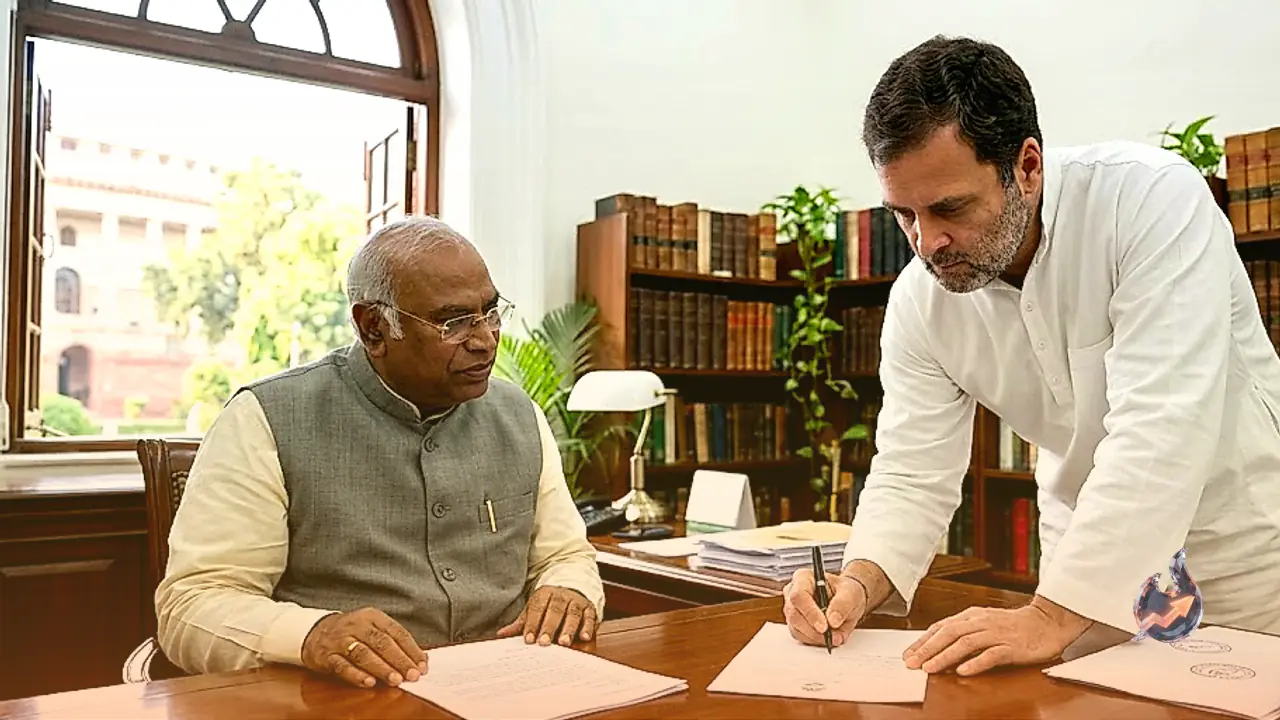



















Authorities in Tripura have stepped up efforts to secure a steady flow of essential commodities and energy products for residents across the region. Sushanta Chowdhury, who handles the food, civil supplies, and consumer affairs portfolio in the state, presided over a series of dedicated sessions on Monday to evaluate current stock availability, pricing structures, and distribution channels.
Assessing Food Grain Reserves And Market Rates
The initial gathering took place at the Secretariat, where the minister met with delegates from the Tripura Wholesale Grocery Merchant Association. Key department figures, including the Principal Secretary and the Director alongside other senior administrators, participated in the deliberations. The dialogue focused heavily on market trends, current valuation, and inventory reserves for staple items such as rice, cooking oil, pulses, sugar, potatoes, and onions.
During the proceedings, the minister emphasized that the administration remains firmly committed to maintaining sufficient buffer stocks across the region. Officials noted that keeping consumer prices under tight observation and preventing market volatility are central to current policy objectives.
Focus On Petroleum Logistics And Depot Operations
A subsequent conference held later at the same venue addressed the logistics surrounding the uninterrupted delivery of petroleum products throughout the territory. This session brought together senior food department bureaucrats, delegates representing Indian Oil Corporation Limited, and members of the Tripura Petroleum Dealers Association.
Discussions centered heavily on bringing the newly constructed petroleum, oil, and lubricants depot into full operational status while refining regional fuel delivery routes.
Streamlining Tanker Movements And Inter-Agency Coordination
Particular emphasis was placed during the talks on managing fuel tank trucks efficiently. The minister highlighted the pressing need for a systematic, well-regulated mechanism to move petroleum loads smoothly from Sekerkote out to all administrative districts.
Chowdhury pointed out that robust cooperation between the food department, the oil corporation, and retail dealers will remain indispensable for guaranteeing timely transit and preventing any supply shortages for everyday consumers. Participants also examined operational hurdles tied to the new depot and broader distribution grids, outlining proactive steps to resolve any potential bottlenecks.