


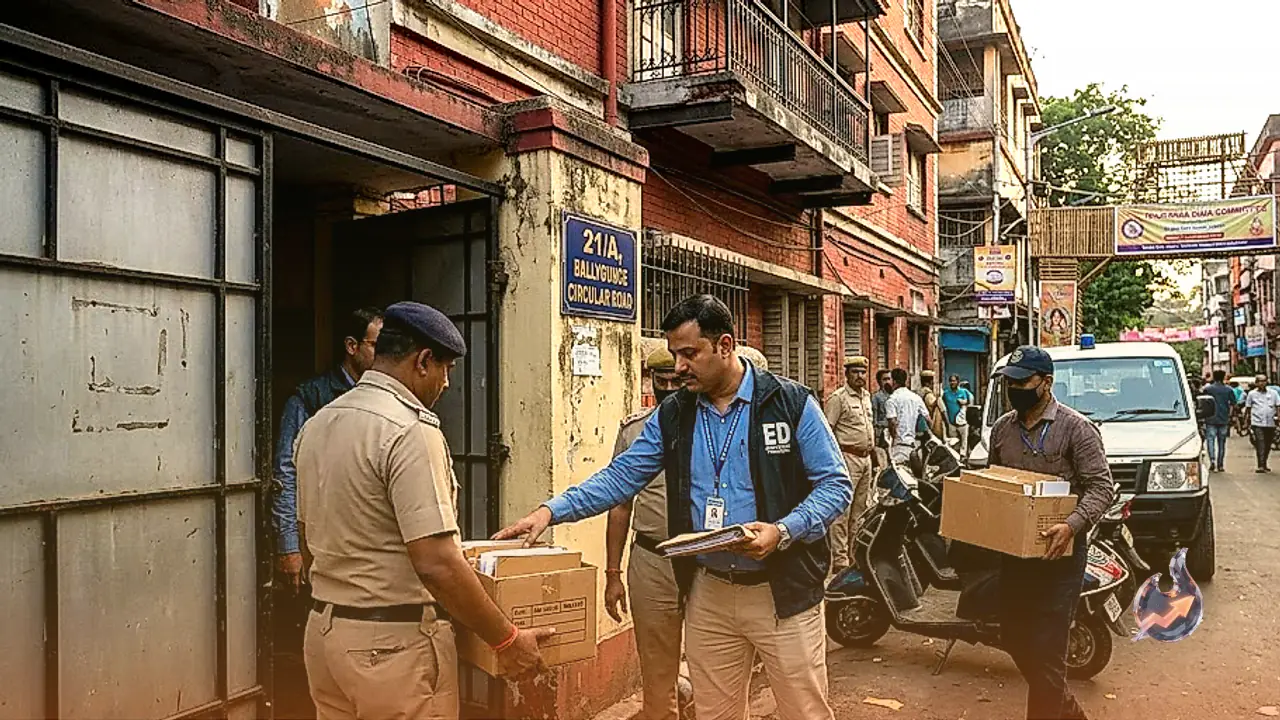




















In a major regulatory development for global healthcare trade, authorities in Washington have decided against levying ad valorem percentage duties on specific categories of medicines and their essential inputs imported from a group of twenty nations, including India. The exemption arrives right on the eve of a broader US move to impose punitive 100% tariffs across several patented pharmaceutical products and specialised drug ingredients.
Federal Register Details Eligible Partner Jurisdictions
The US Department of Commerce has officially notified the beneficiary nations within the Federal Register, granting a 0% tariff window to certified products arriving from trusted trade partners. Alongside India, the approved roster features twenty entities such as Argentina, Bangladesh, Cambodia, Ecuador, the European Union, Indonesia, Japan, South Korea, Switzerland, the United Kingdom, and Vietnam. Because the United States had planned to activate a stiff 100% customs duty on targeted patented pharmaceuticals and associated items starting 29 September, carving out these critical healthcare categories represents substantial relief for overseas pharmaceutical manufacturers.
Therapeutic Categories Covered Under the Exemption
Under the criteria established by US regulators, medications engineered for rare disorders, infertility management treatments, advanced cell therapies, gene therapies, and antibody-drug conjugates (ADCs) have all been positioned under the zero-tariff threshold. Importantly, the duty exemption covers not merely the finished therapeutics but also the underlying chemical and biological ingredients required to synthesize them. Furthermore, select veterinary medications have been added to the waiver, assuring manufacturing firms that dispatching these specialized formulations across the Pacific will not trigger costly import surcharges.
Implications for Generic Exporters and Section 232 Rules
As one of the foremost global suppliers of generic pharmaceuticals, India regards the American marketplace as an essential export destination. Addressing industry concerns, the US Department of Commerce made it clear that baseline generic medicines and their foundational substances remain exempt from the Section 232 pharmaceutical tariffs. This protection is targeted toward manufacturers operating in countries maintaining active or prospective trade and security arrangements with the United States. The policy originates from an earlier proclamation issued on 2 April by President Donald Trump, an order aimed at incentivizing domestic pharmaceutical manufacturing while managing critical supply chains.