






















Individuals looking to venture into the food processing sector have an accessible pathway through a financial assistance initiative run by the Uttar Pradesh horticulture department. Aspiring entrepreneurs setting up a brand-new vinegar production facility in Moradabad can secure up to 35 percent in capital subsidy. For an installation requiring a total capital outlay of 10 lakh rupees, official assistance can cover around 3.50 lakh rupees. Under this cost-sharing structure, the entrepreneur needs to contribute approximately 6.50 lakh rupees from personal or financed funds, substantially reducing the initial barrier to entry for setting up a commercial manufacturing setup.
Raw Material Dynamics and Regional Geographic Advantages
While sugarcane juice serves as the conventional base for vinegar production, processors can also utilize apple, blackberry (jamun), and molasses depending on consumer demand and specific product categories. The choice of raw inputs remains directly linked to the targeted end product. Western Uttar Pradesh offers a major structural advantage due to its vast sugarcane cultivation. Entrepreneurs operating in this belt can source raw materials directly from local cultivators, traditional cane crushers, and village jaggery-making units, ensuring a consistent supply chain while keeping transportation expenses minimal.
Infrastructure Requirements and Plant Machinery
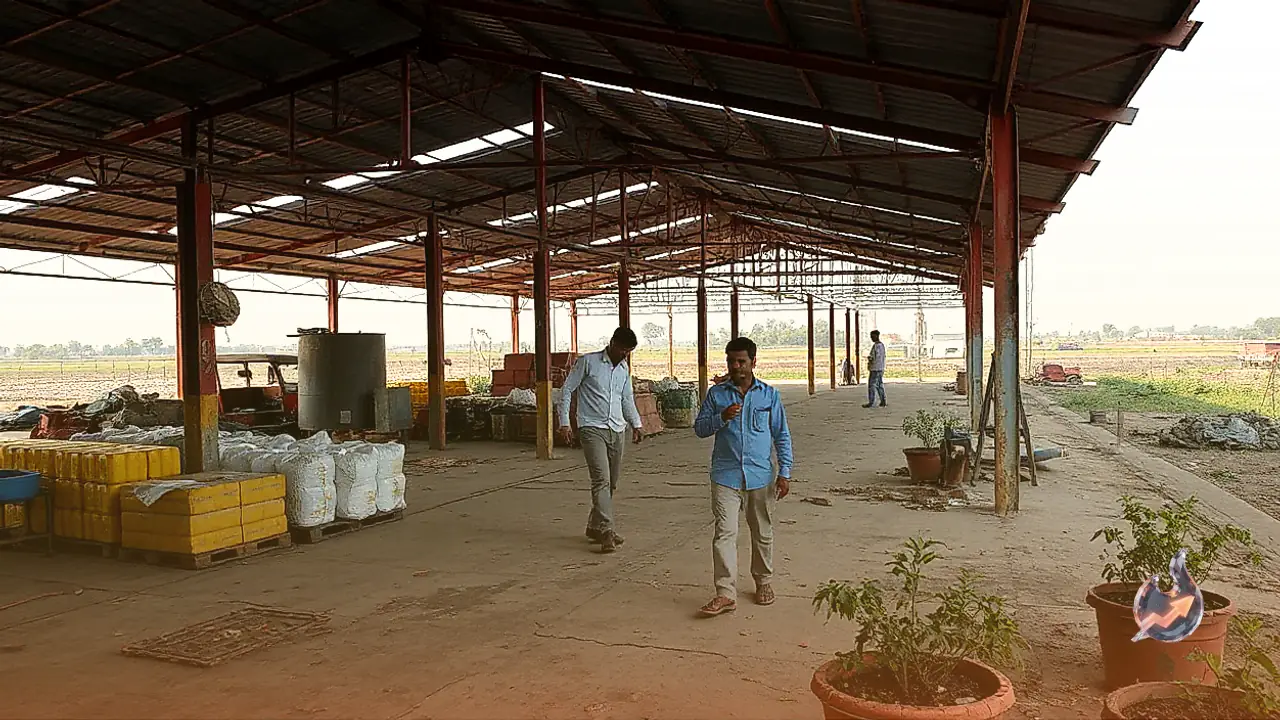
Establishing a commercial unit begins with securing a suitable operational workspace capable of handling processing and packaging. Inside the plant, the workflow requires an operational processing assembly, specialized fermentation tanks, dedicated bulk storage containers, and filtration arrangements to refine the liquid. Once the vinegar reaches maturity, bottling machinery is necessary for automated filling, capping, and sealing. In addition, businesses must maintain steady stocks of bottles, caps, commercial labels, and outer corrugated packing materials. The exact capital expenditure on machinery and equipment scales up directly with the planned processing capacity of the plant.
Commercial Outlets and Distribution Pathways
Vinegar functions widely as a flavour enhancer in culinary preparation and as a key preservative in pickle manufacturing, creating varied marketing channels for producers. Finished containers can be distributed directly to neighborhood grocery outlets, local hotels, restaurants, and commercial pickle fabrication businesses. Retail distribution through specialized food stores and digital e-commerce marketplaces presents an additional avenue for direct-to-consumer sales. This blend of commercial and household demand helps manufacturers establish a balanced portfolio of institutional and retail buyers.
Production Scale and Projected Monthly Profit Margins
According to Vimal Kumar Tomar, serving as DRP in the horticulture department, the operational economics of such ventures can yield sustainable returns. A modest installation processing roughly 200 liters of vinegar per day across 25 working days in a month would deliver an aggregate monthly volume of 5,000 liters. Factoring out raw material procurement, bottling, power, labor, and ancillary overheads, an operating margin of 20 to 30 rupees per liter translates to estimated monthly net earnings of 1 lakh to 1.50 lakh rupees. Net financial realizations, however, remain tied to overall factory utilization, operational efficiency, and achieved retail sales volumes.
Market Assessment and Scheme Application Steps
Prior to committing capital to plant infrastructure, prospective owners must evaluate prevailing local demand patterns, raw material consistency, and dedicated distribution agreements. The extensive sugarcane base of western Uttar Pradesh provides strong production support, but commercial viability depends heavily on building advance ties with regional grocers, eateries, and pickle processors. Prospective applicants should connect with their local horticulture department office beforehand to review detailed scheme guidelines, eligibility norms, and statutory subsidy processing requirements.