















Singer and actor Diljit Dosanjh has firmly addressed his critics from the stage during his concert at the Jawaharlal Nehru Stadium in the national capital. Launching the Aura India Tour, the performer used the massive gathering to confront the lingering backlash surrounding his past remarks about youth demonstrations. His response directly referenced the resilience of Punjabis, reigniting conversations around an incident that had previously drawn heavy scrutiny across social media platforms.
A Strong Message From the Stage and Symbolic Laser Displays
During the concluding segment of Friday's high-energy performance, Diljit Dosanjh turned his attention to the ongoing discussions about his political neutrality. Addressing the massive crowd directly, he delivered an unequivocal statement that resonated through the stadium.
‘पंजाबियों को ना सिखाओ कि लड़ाइयां कैसे लड़ी जाती हैं.’
The audience responded with thunderous applause and sustained cheering, welcoming his defiant posture. Moments later, the singer softened the atmosphere by reassuring the packed arena of his affection, declaring his love for all attendees before wrapping up the musical segment. The concert culminated in an elaborate laser visual show where phrases such as 'Main Hoon Punjab' and 'I am an artist' illuminated the venue. These visual projections directly echoed the exact wording of his past interviews, reigniting memories of the public criticism he had previously faced.
The July 2026 Student Protest Controversy
The controversy in question originated in July 2026 amid widespread youth unrest in the capital. Student demonstrators, mobilised under the leadership of the Cockroach Janata Party (CJP), had gathered at Jantar Mantar in Delhi to express outrage over alleged exam irregularities and the NEET question paper leak controversy. Amid that escalating agitation, Diljit Dosanjh held an Instagram Live session where followers repeatedly asked whether he planned to join the demonstrations or offer his public endorsement to the student cause.
In his immediate response during that live stream, the artist maintained that he should be kept out of such matters, stating plainly that he was an artist and not a politician. He explained that he possessed little background information regarding the ongoing agitation and made it clear that he deliberately stayed away from political developments. The clip spread rapidly across social networks, drawing sharp rebukes from critics who argued that distancing himself amounted to an evasion of responsibility on a pressing national concern impacting young people.
Subsequent Endorsement of Student Demands
The narrative around his position shifted shortly after the initial backlash. Later in July, Diljit Dosanjh turned to his social media channels to issue a statement backing the agitating students. He expressed distress over the treatment meted out to the demonstrators, remarking that the hardships they encountered should never have taken place.
In that clarification, the performer formally appealed to government authorities and administration officials to listen attentively to the grievances voiced by the students. Underlining the significance of mass public sentiment, he cited the adage that the voice of the people is the voice of God. The intervention helped ease some of the tension, portraying his broader perspective on the issues facing students.
Visual Themes in the Devil Music Video
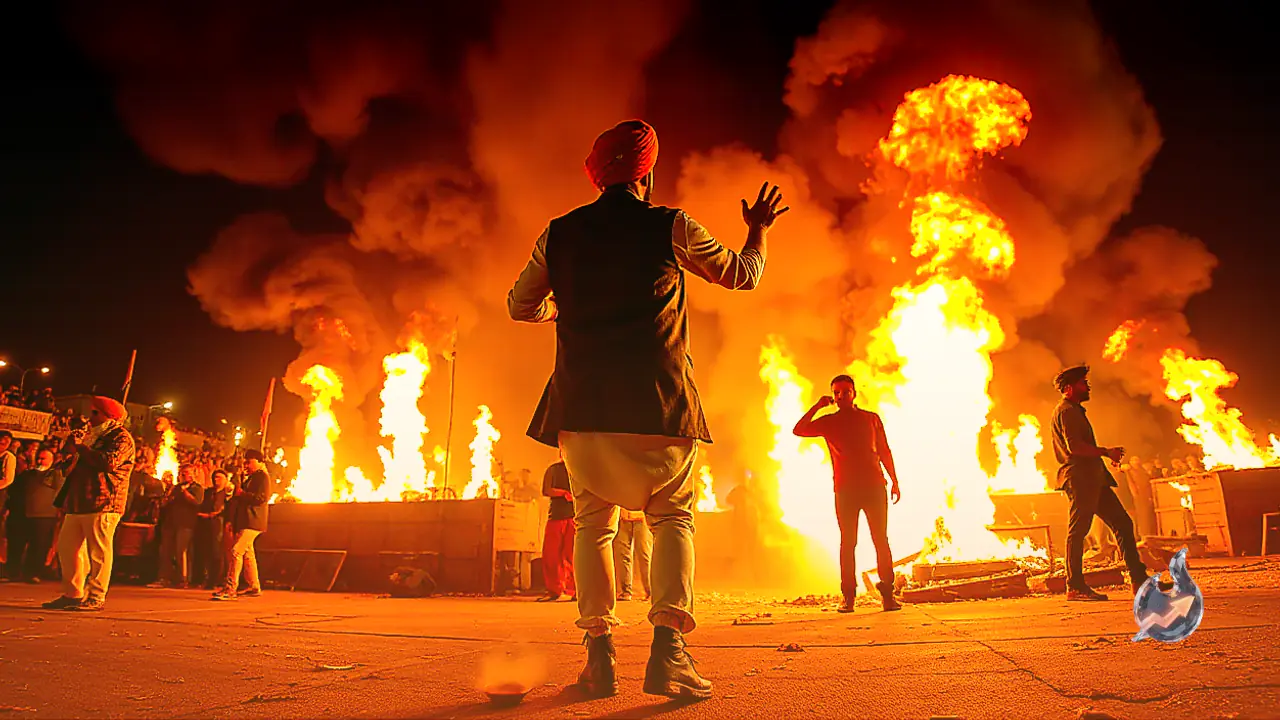
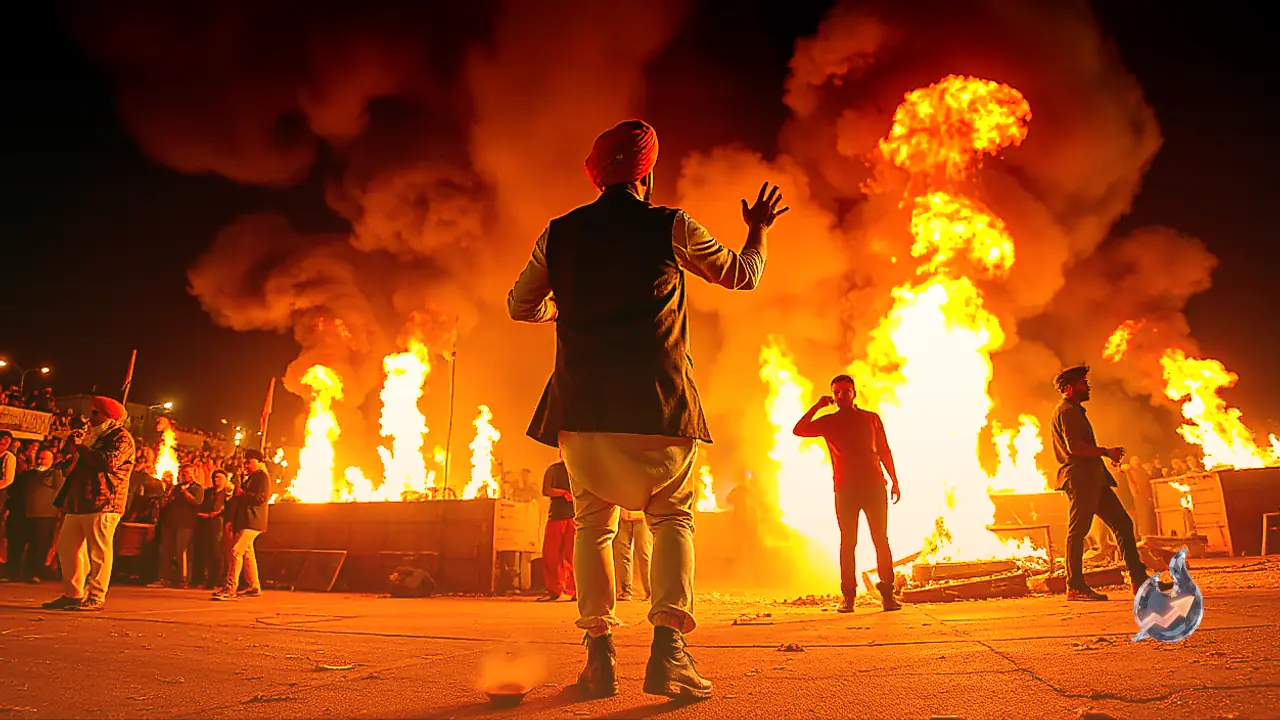
The discussion surrounding his stance on protests gathered further momentum following the release of his music video titled Devil. The visual presentation featured the singer amidst extensive crowds of agitating citizens carrying placards with slogans like 'Save Our Future' and 'Our Future, Our Fight'.
Key segments of the video depicted tense standoffs and clashes between law enforcement personnel and demonstrators. The narrative concluded on a conciliatory note with a young girl presenting a white rose to a police officer, an imagery widely interpreted as a plea for peace and mutual understanding. While Diljit Dosanjh never issued an official statement tying the music video to any specific political outfit or ongoing campaign, viewers frequently connected its prominent visual elements to the July student unrest.