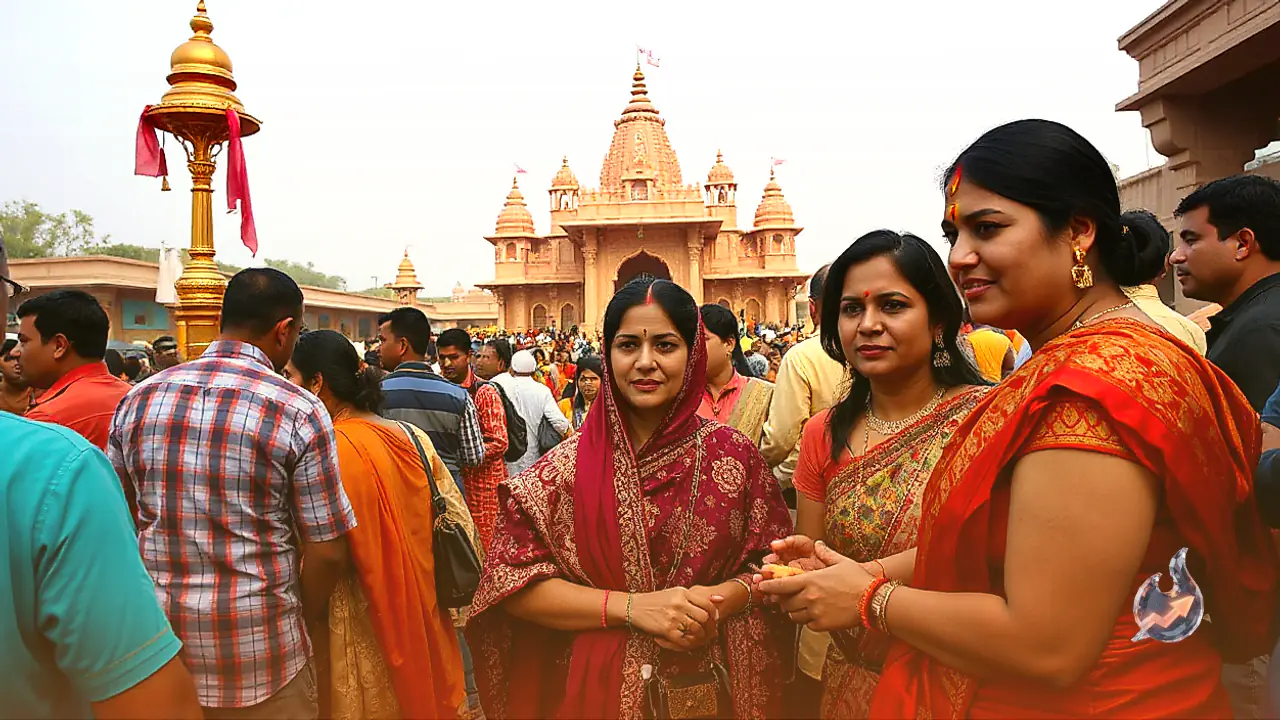
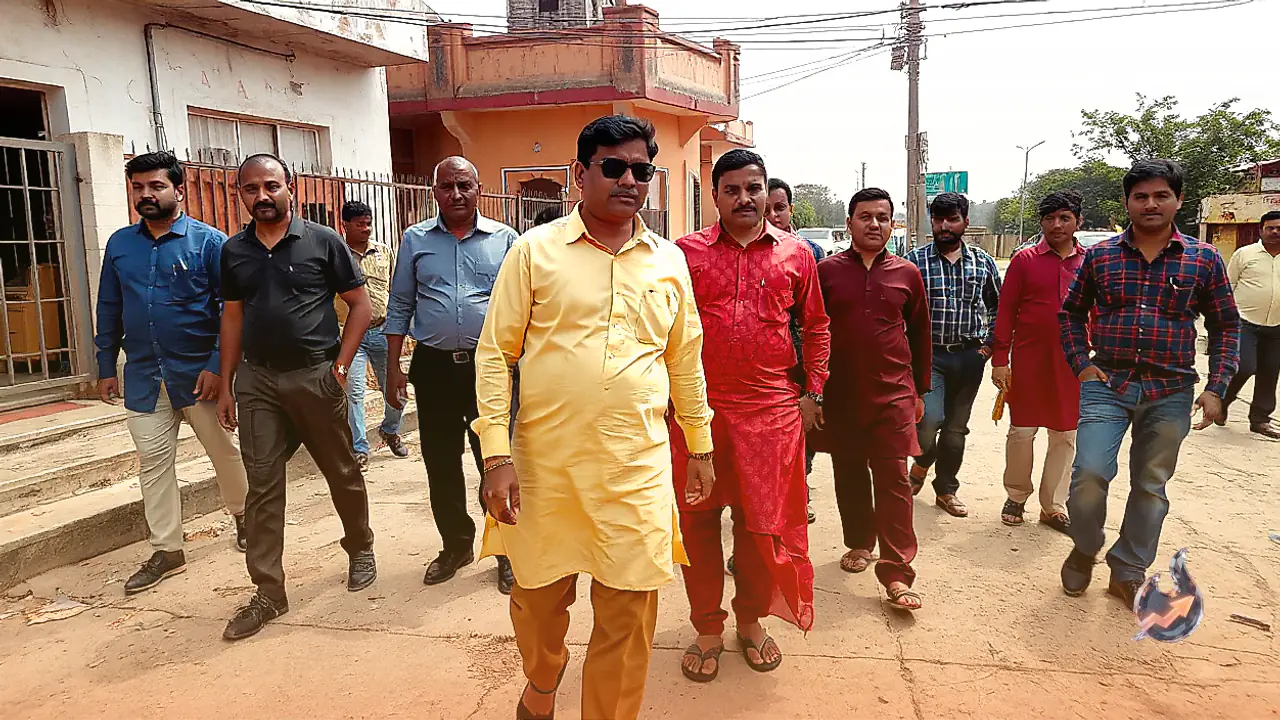














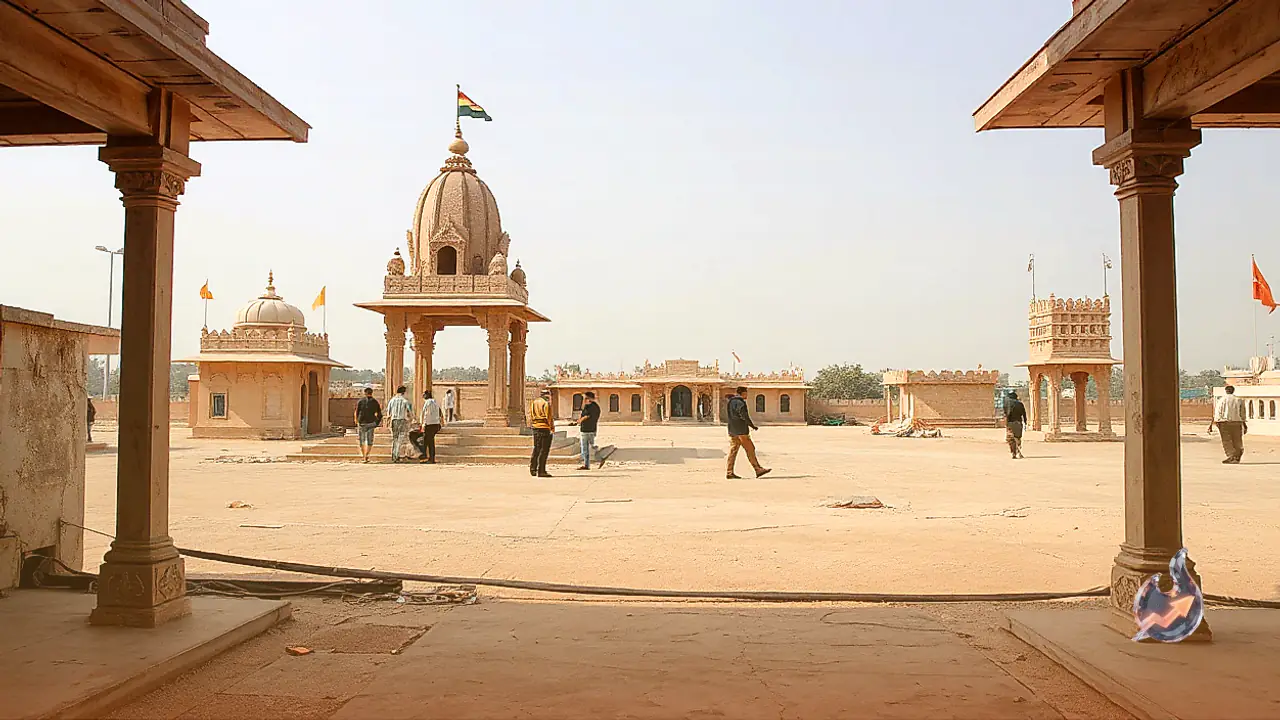

The administration in Rajasthan has outlined an extensive plan to overhaul management, enhance visitor amenities, and preserve historical religious properties across the state. Presiding over a high-level review meeting of the Devasthan Department at the government secretariat, Chief Secretary V. Srinivas instructed officials to give topmost priority to pilgrim welfare, focusing particularly on senior citizens and visitors arriving from across the country and abroad. The leadership emphasized that religious sites must be modernised while maintaining their cultural sanctity.
Joint Departmental Action to Clear Temple Land Encroachments
A primary agenda of the review focused on safeguarding valuable properties owned by state shrines. The Chief Secretary directed administrative teams to immediately clear all illegal encroachments from temple lands across districts. To carry out this enforcement smoothly and without delay, the Revenue Department, Home Department, and Devasthan Department were directed to establish coordination and execute joint operations. Furthermore, district collectors have been instructed to compile verified, exhaustive inventories of all newly identified or previously unlisted temples so their formal preservation can proceed systematically.
Modern Live Darshan Facilities and Enhanced Security
To assist distant devotees and manage local crowding, instructions were issued to install modern live streaming infrastructure across prominent shrines in Rajasthan. This digital outreach aims to enable devotees to observe daily rituals from home. Alongside technology upgrades, temple administrations must enforce strict hygiene protocols, thorough sanitation routines, and robust security management across temple campuses to guarantee a safe and orderly environment for incoming pilgrims.
Transparent Donation Accounting and Priest Recruitment
Financial integrity and staffing regularisation were highlighted as key administrative goals during the proceedings. V. Srinivas warned that zero tolerance would be shown toward any financial discrepancies or administrative mismanagement within the department. Authorities must ensure comprehensive transparency in auditing and recording temple donations. Officials were asked to prioritise the formal registration of religious trusts under the Devasthan Department, initiate steps to fill vacant priest positions without delay, and carry out a structured assessment of the existing priest cadre.
Pilgrimage Figures for Senior Citizens and Departmental Assets
During the session, Secretary of the Devasthan Department Shuchi Tyagi presented an update on the Senior Citizen Pilgrimage Scheme. For the financial year 2026-27, a total of 22,265 elderly pilgrims have benefited from sponsored journeys. Among these, 21 dedicated special trains carried 20,591 pilgrims to major spiritual destinations across the nation, while 1,674 travellers flew to Nepal to visit the historic Pashupatinath shrine. Updating on asset administration, Devasthan Commissioner Pragya Kewalramani noted that the department manages 936 government direct and indirect charge temples. Currently, 14,447 trusts are officially registered, and the department continues to streamline the online registration mechanism for institutions across the state.