



















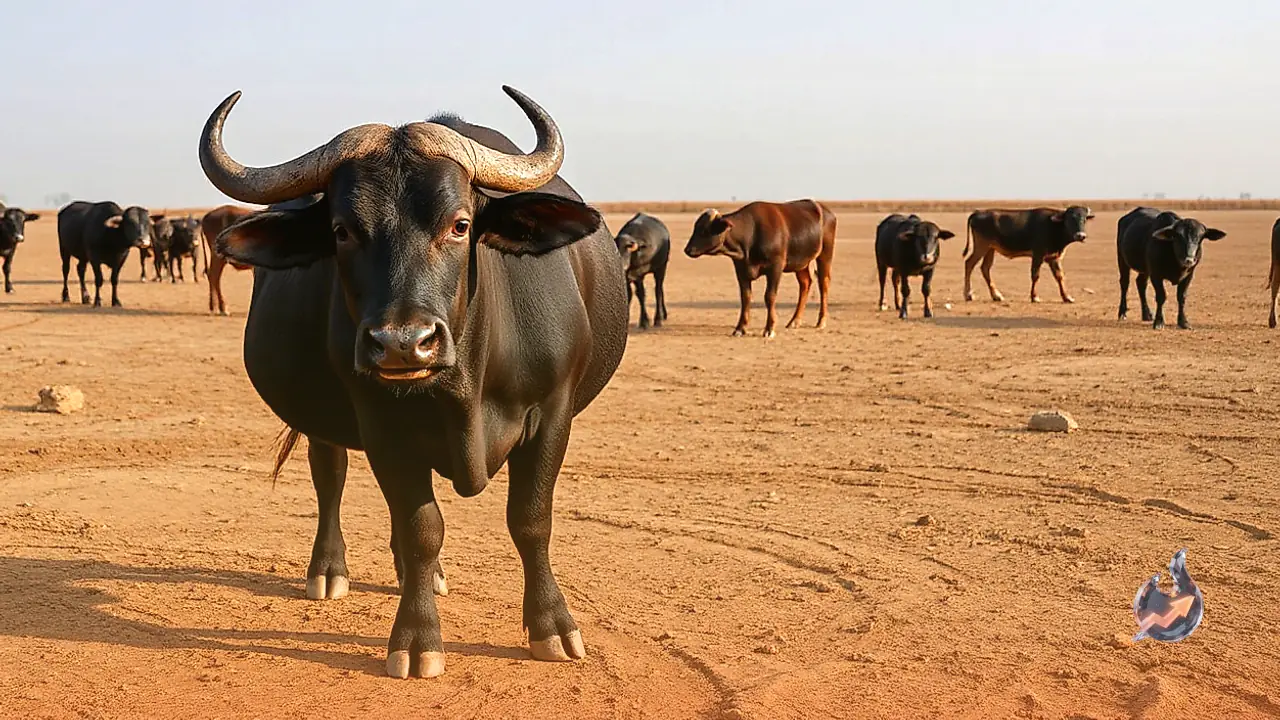

Inadequate care and nutritional mismanagement often lead to urolithiasis in young buffaloes, creating severe blockages inside the urinary tract. The accumulation of stones within the urethra causes immense distress, making urination excruciatingly painful. Senior veterinarian Dr. Ajit Sharan from Chas Model Veterinary Hospital in Bokaro has detailed the warning signs, underlying causes, and essential management steps needed to shield livestock from this dangerous condition.
Vulnerability Peaks Around Seven To Eight Months Of Age
Veterinary observations confirm that this disorder targets male buffalo calves far more frequently than females. Urethral stones lodge directly within the urinary tract, creating critical obstructions to urine flow. The condition tends to peak when young calves reach seven to eight months of age. Because anatomical pathways in male calves are particularly narrow, any stone formation during this developmental window rapidly leads to critical blockages and unbearable physical distress.
Dry Straw Feeding Spikes Calcium Oxalate Risks
Dietary imbalances serve as a primary trigger for stone development in young stock. A crucial phase occurs when calves transition to feeding on straw or bichali, demanding disciplined handling from livestock owners. Farmers frequently commit the mistake of serving unsoaked dry straw straight to the animals. The calcium oxalate naturally present in dry straw directly impairs metabolic health and stimulates stone formation. Cattle keepers must soak the straw overnight in water, discard the soaked liquid completely the following morning, and feed only the drained straw to their animals.
Cold Weather Aggravates Blockages And Fatal Bladder Rupture
Seasonal shifts, especially the arrival of winter, require increased vigilance from livestock handlers. Low temperatures cause the animal's urinary tract to constrict, compounding the difficulty of voiding urine. If urinary stones already exist within the passage, this constriction can shut down urine flow entirely. As urine continues to pool without an outlet, the urinary bladder expands under intense internal pressure until it ruptures, an emergency that frequently proves fatal for the calf.
Monitoring Behavioral Signs And Considering Surgical Relief
Spotting early warning signs requires owners to pay close attention to the calf's posture and voiding habits. Immediate veterinary intervention is necessary if a male calf repeatedly strains to urinate without success, or manages only small, intermittent drops. Ignoring these signs can lead to irreversible complications within hours. For recurrent episodes, veterinarians recommend permanent surgery as the most reliable corrective option. Daily feeding regimens should consistently incorporate a balanced mineral mixture, paired with a calculated ratio of green and dry fodder matched precisely to the animal's body weight.