




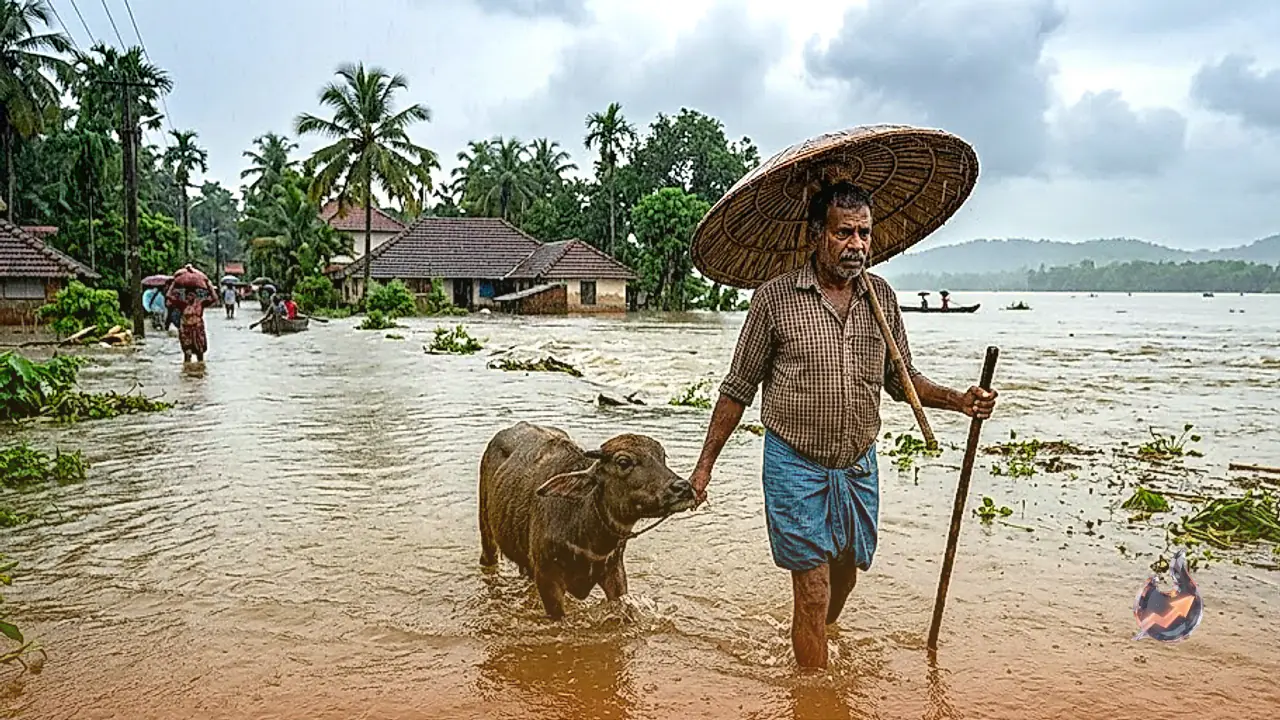



















Monsoon rain may be good news for crops, but for cattle and buffaloes it opens the door to a string of dangerous illnesses, and a single lapse in care can turn fatal, veterinarians warn, with a direct hit to milk output as well.
Damp Sheds Create The Perfect Breeding Ground For Disease
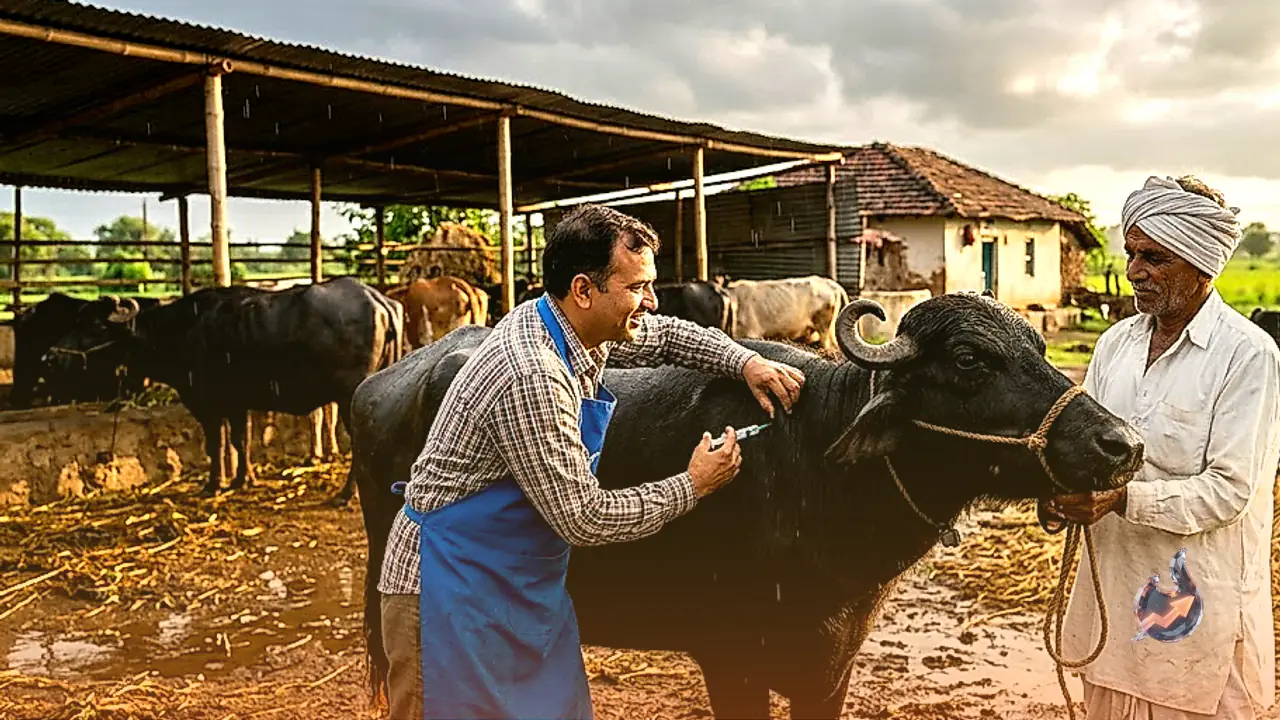
Dr Hemant Shah, a veterinarian in Khandwa, says that moisture, mud and filth building up around cattle sheds during the rainy season sharply raise the risk of pneumonia, diarrhoea, fever, skin infections and foot and mouth disease. He notes that young and newly born calves fall sick fastest in this weather, which makes close monitoring essential.
According to Dr Shah, the single biggest mistake livestock owners make is tying animals in wet, muddy spots, a habit that multiplies the chances of infection several times over. His advice is straightforward: keep a dry, clean and well ventilated shed at all times, and if an animal gets soaked in the rain, bring it to dry ground and wipe it down immediately.
The First Hour After Birth Decides A Calf's Fate
Newborn calves need the most careful handling in their very first hour of life. Dr Shah explains that every calf must be fed its mother's first milk, or colostrum, within that hour, since it builds the immunity the calf will depend on through the season. A calf that gets wet in the rain faces a heightened risk of fever and pneumonia, and owners should reach out to a vet without delay if that happens.
Vaccination Is The Best Defence Against Mastitis And Deadly Outbreaks
Mastitis, known locally as thanaila, also spreads quickly once the rains set in. To prevent it, owners should stop the animal from sitting on a wet floor right after milking and thoroughly clean the udder each time. Dr Shah also stresses that timely vaccination remains the most reliable safeguard against dangerous diseases such as foot and mouth disease and haemorrhagic septicaemia.
Mosquitoes, Flies And Standing Water Add To The Risk
Mosquitoes, flies and parasites multiply rapidly during the rains and become a major route through which infection spreads among cattle. Owners are advised to make sure no water collects inside the enclosure, to clean the area regularly, and to use appropriate medication whenever it is needed.
What Goes Into The Feed Matters Just As Much
Diet needs equal attention in this season, Dr Shah says. Animals should never be fed fodder that has rotted or grown mould. Mixing dry straw with green fodder keeps digestion on track and prevents stomach trouble. A little caution through the monsoon, he adds, can spare cattle from serious illness altogether, and owners who stick to timely care, regular cleanliness and a vet's guidance can keep their herd healthy while avoiding financial losses.