























The arrival of the monsoon season brings much-needed relief for crop cultivation, but it simultaneously introduces severe health risks for the dairy and livestock sector. For millions of farmers across India, animal husbandry is the primary engine of daily household income. However, the persistent rains sweeping across states like Bihar, Jharkhand, and Uttar Pradesh have created an urgent need for vigilance. The damp conditions trigger a massive surge in dangerous parasitic infections among cattle, threatening both the lives of the animals and the financial stability of their owners. Without immediate preventive care, a minor infection can rapidly escalate into a costly crisis.
The Economic Impact of Neglected Livestock Health
Dairy farming operates on tight margins, and a sick animal represents a severe double financial blow to the farmer. Firstly, a diseased cow or buffalo will immediately show a drastic reduction in milk production, instantly cutting off the farmer's daily revenue stream. Secondly, as the animal's condition deteriorates, the owner is forced to spend heavily on emergency veterinary treatments and expensive medicines. A slight delay or negligence during this critical wet weather period can wipe out months of hard-earned agricultural profits. Protecting cattle from seasonal illnesses is not just about animal welfare, but rather a vital economic necessity for rural households.
How Monsoon Triggers Parasitic Infections
The rainy season provides the perfect breeding ground for various types of intestinal parasites. Dr. Ramkrishna Rai, a veterinary science expert and head of the Krishi Vigyan Kendra in Begusarai, explains, "During the rainy season, roundworms, tapeworms, and other parasites breed rapidly." He further detailed that these organisms multiply quickly in the damp environment and easily enter the bodies of cows, buffaloes, and goats through contaminated water or fodder. Once inside, these worms aggressively attack the animal's digestive system. If left untreated, the infestation leads to severe consequences. The cattle will experience a sudden loss of appetite, noticeable weight loss, extreme physical weakness, and stunted bodily growth, alongside a sharp decline in milk yield.
Specific Medications and Precise Dosages
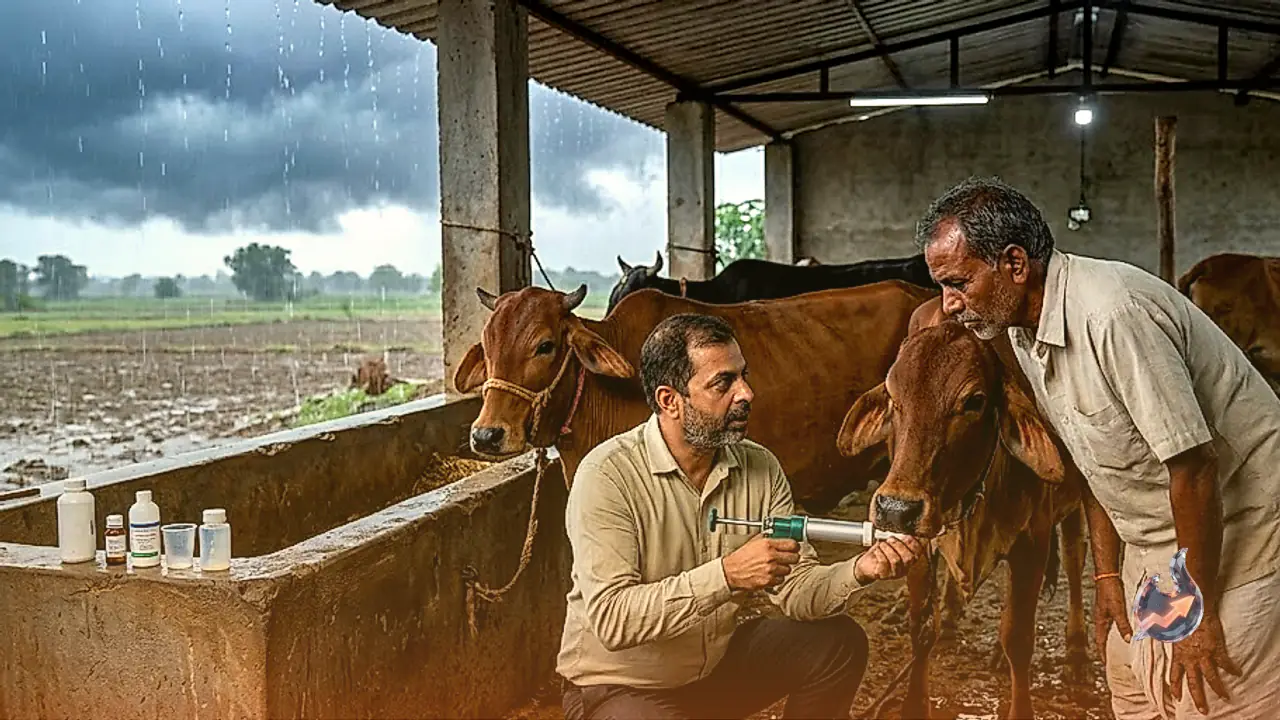
Combating these internal parasites requires a targeted approach, and the choice of deworming medicine depends entirely on the reproductive status of the animal. For pregnant cattle, extreme care must be taken to ensure the safety of both the mother and the unborn calf. Dr. Rai advises administering medicines like Fenbendazole or Ivermectin to pregnant animals, with the exact quantity carefully calibrated according to the animal's body weight and the specific stage of pregnancy. On the other hand, if the cow or buffalo is not pregnant, farmers can safely utilize Albendazole or other standard deworming agents available in the market. Regarding dosage, adult cows and buffaloes typically require 90 to 100 ml of the medication, while younger calves should be given a smaller dose of 30 ml to effectively clear the parasites.
The Importance of Professional Veterinary Guidance
While administering deworming medication is a crucial preventive step, relying on expert medical advice remains the safest strategy. Farmers are strongly urged to consult a trusted local veterinarian rather than attempting to self-diagnose complex internal infections. A qualified doctor can accurately assess the specific type of worm infestation and recommend the most effective treatment protocol. Furthermore, constant observation of the herd is essential. Catching the early warning signs of sluggishness or reduced feeding allows for immediate medical intervention, ensuring the animal recovers quickly before the illness evolves into a life-threatening condition.