





















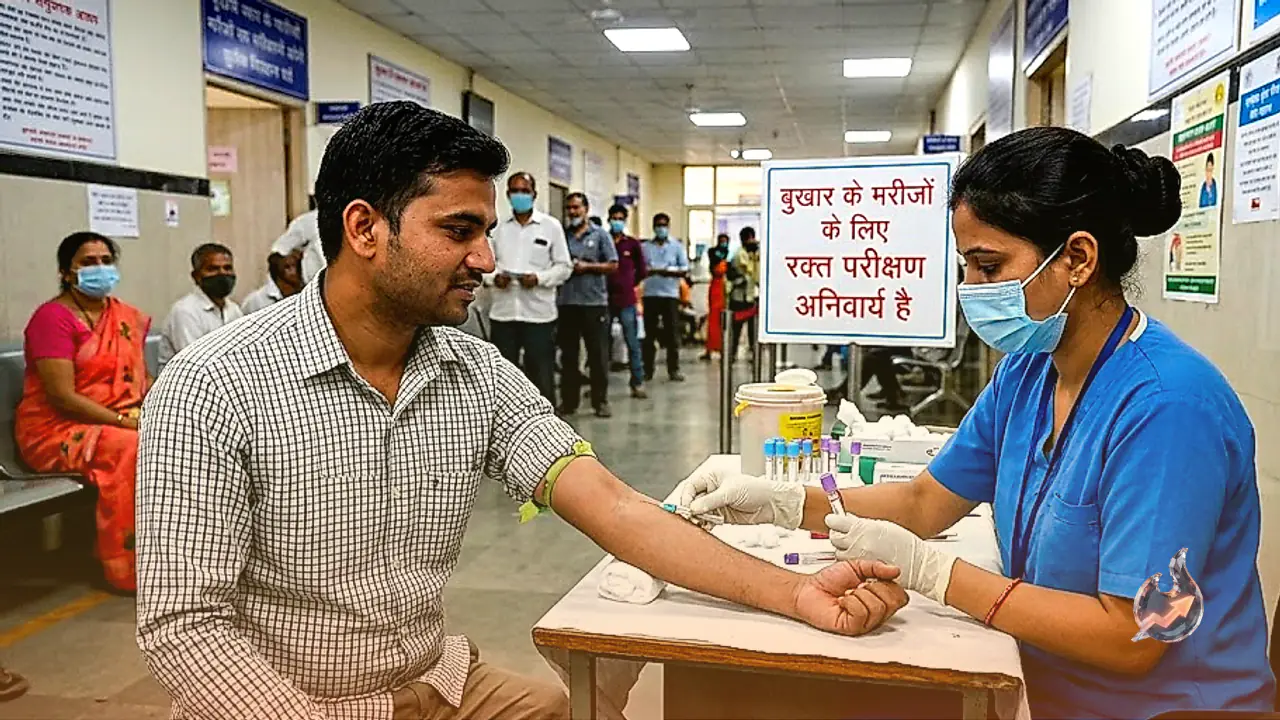

Health authorities across Uttar Pradesh have stepped up operational readiness following a sharp rise in viral fever cases and growing concerns over swine flu. Deputy Chief Minister Brajesh Pathak directed chief medical officers and district hospitals across the state to maintain high vigilance. Concurrently, with Delhi reporting over 1,777 H1N1 cases this year, educational institutions in neighboring Noida have issued preventive health advisories for students to curb potential contagion.
Mandatory Blood Tests and Hospital Preparedness Across Uttar Pradesh
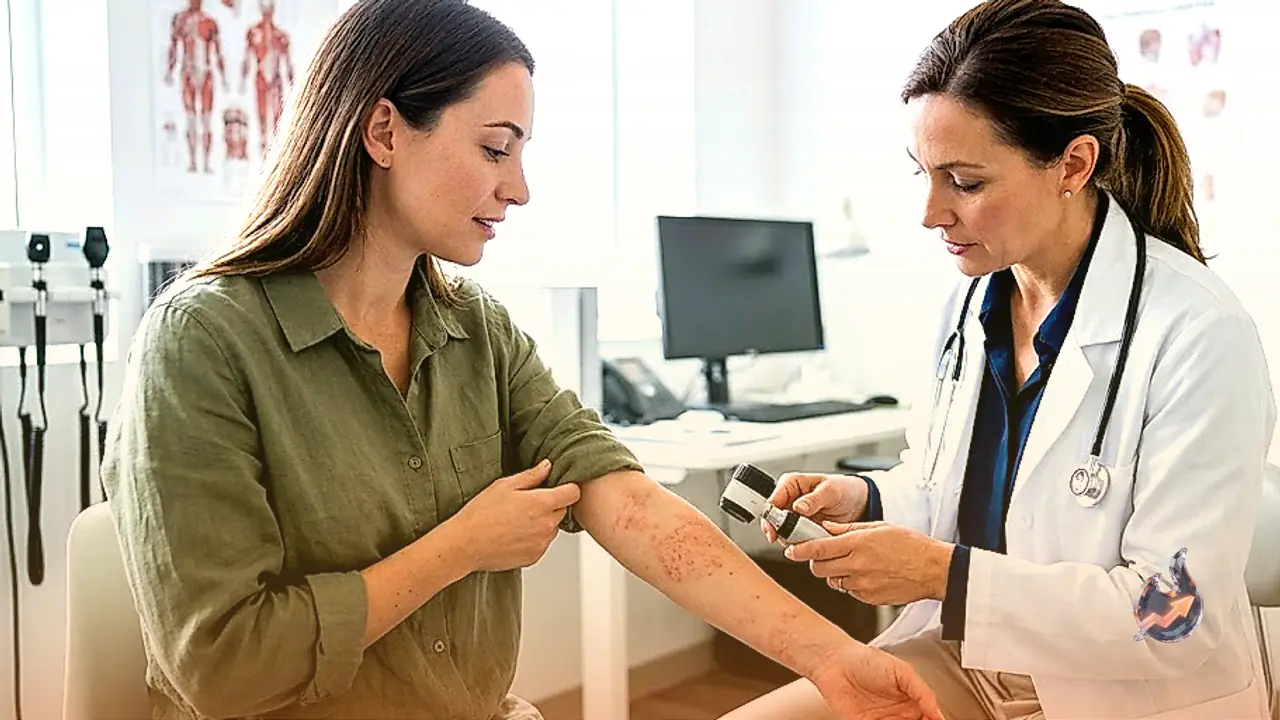
In response to the increasing number of patients reporting fever symptoms across Uttar Pradesh, the state government has established strict clinical protocols. The Deputy Chief Minister announced that both major district healthcare centers and smaller medical units are placed on high alert status. Doctors have been explicitly instructed that any patient visiting a healthcare facility with fever symptoms must undergo immediate blood testing and pathological evaluation.
To support this diagnostic push, state authorities have ensured the complete availability of essential medicines across all government medical centers. Hospital administrations and healthcare personnel have been directed to treat every incoming patient with utmost seriousness, ensuring early diagnosis to prevent complications stemming from unmonitored viral infections.
State Initiatives on Youth Employment and Skill Development
Addressing administrative priorities alongside the healthcare response, Deputy Chief Minister Brajesh Pathak reiterated the state's focus on youth empowerment. The Deputy CM stated, "Our government stands firmly committed to supporting the youth." He highlighted that more than 9 lakh young individuals have been appointed to government positions based on their intellect, merit, and skills.
In addition to direct public sector recruitments, the state is actively connecting young citizens with self-employment avenues. Schemes such as One District One Product (ODOP), alongside structured skill development courses and entrepreneurial support initiatives, are being utilized to expand employment opportunities and foster self-reliance across Uttar Pradesh.
Noida Schools Roll Out Preventive Guidelines for Students
Recognizing the risks associated with seasonal infection spread in academic settings, several schools in Noida, adjacent to Delhi, have implemented proactive health measures. School administrations issued detailed advisories instructing parents to monitor their children's health closely and restrict attendance if illness symptoms manifest.
The advisories explicitly direct that students experiencing cold, cough, fever, or flu-like symptoms should remain at home until fully recovered. School managements stressed that parents should not send unwell children to class merely to maintain regular attendance records. Instead, families are advised to ensure proper bed rest at home and consult medical professionals if symptoms persist.
Surge in Respiratory Illnesses Across Delhi
The national capital has experienced a notable escalation in swine flu infections, prompting the Delhi government's health department to release a public health advisory. The advisory emphasizes fundamental hygiene practices and precautionary steps to minimize the transmission of airborne and respiratory illnesses.
Official health department statistics indicate that Delhi has recorded over 1,777 cases of H1N1 (swine flu) so far this year. Furthermore, influenza-A cases have surpassed 2,300 in the capital region. In light of these rising figures, health authorities have intensified medical preparedness and urged citizens to wear face masks in crowded public areas, practice frequent hand washing, avoid close contact with individuals showing flu symptoms, and seek medical care if symptoms worsen.