























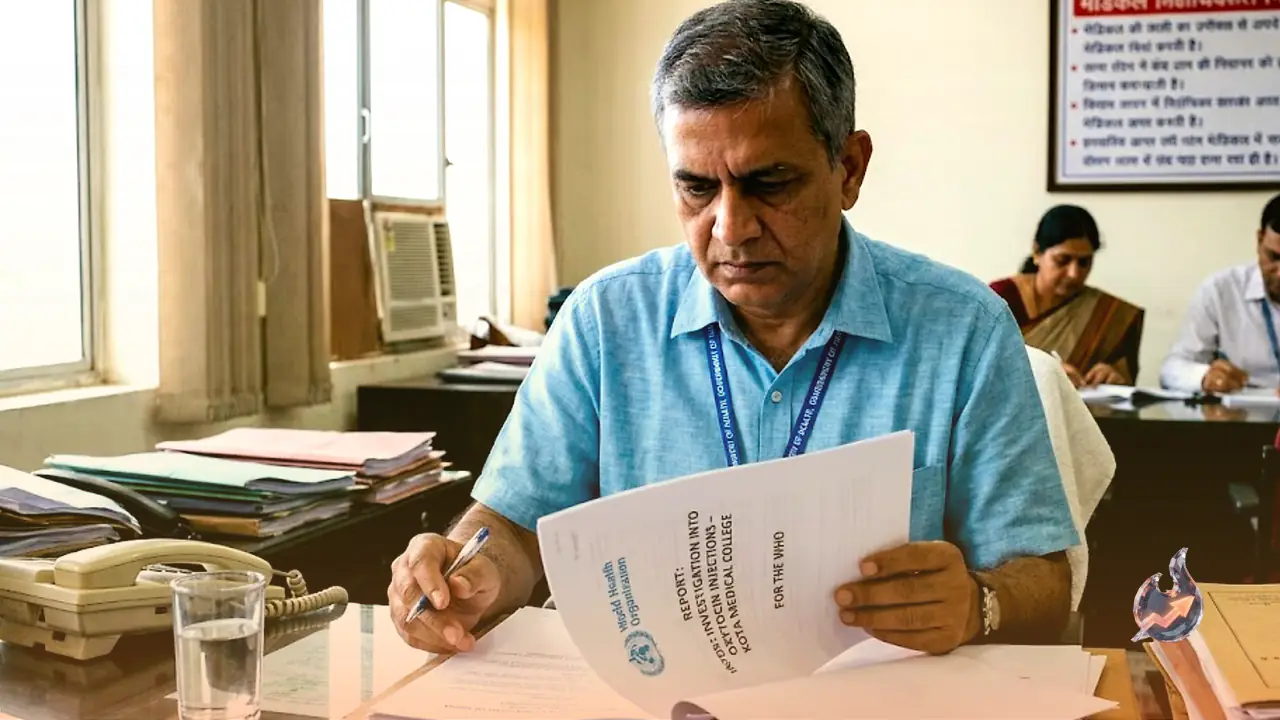

The tragic deaths of mothers at the Kota medical college, linked to the suspected failure of Oxytocin injections, have now transformed into a major international concern. What was once considered a local medical dispute has drawn the attention of the World Health Organization (WHO), which has officially demanded a comprehensive and detailed report from the Government of India and the Central Drugs Standard Control Organisation (CDSCO). This development has caused significant concern within Indian pharmaceutical regulatory bodies and health departments.
WHO Demands Accountability and Transparency
The headquarters of the World Health Organization has requested that the Indian government provide exhaustive data regarding the quality and testing procedures of the controversial injections. The organization has expressed deep concern regarding the potential global impact of this incident, specifically asking whether batches identified as contaminated or substandard were exported to other countries. The WHO has mandated a complete timeline of events, including the specific recall orders issued, public health alerts, and all administrative or legal actions taken by authorities to date.
Scrutiny on Jackson Laboratories
At the center of this controversy is the manufacturer, Jackson Laboratories. According to available records, this company's products have been subject to disputes in the past. The WHO currently holds documentation on 11 other products from this same manufacturer, which are linked to various recorded issues. Consequently, the fatalities in Kota have prompted global health agencies to place the company under direct and strict observation.
Linking Deaths to Medical Standards
Oxytocin is primarily administered to prevent excessive bleeding during childbirth, yet its alleged failure in the Kota medical college led to multiple fatalities. The WHO is now seeking scientific and definitive information from the Indian government to establish a clear link between these deaths and the quality of the injections. This international intervention has ignited a serious debate regarding the integrity of domestic drug manufacturing standards and the efficacy of quality control systems across India.