























A massive transformation is on the horizon for young aspirants dreaming of donning the olive green uniform. The Indian Army is overhauling its selection pipeline to make the journey toward becoming an officer substantially faster, vastly more transparent, and remarkably easier to navigate. In a major departure from legacy practices, the armed forces will soon utilize scores from prominent national-level entrance examinations, specifically JEE, CLAT PG, and NEET PG, as the primary gateway for candidate shortlisting. This strategic pivot means that exceptional candidates will be invited directly to the Service Selection Board (SSB) interview stage, completely bypassing the redundant layer of standalone military written tests. By tearing down these traditional barriers, the military is opening up a highly streamlined avenue for the nation’s most capable youth to step into prestigious military roles.
Addressing the Chronic Shortfall of Officers
For an extended period, the Indian Army has grappled with a persistent shortage within its officer cadre, a logistical hurdle that impacts overall operational readiness. Acknowledging this critical gap, the Defence Ministry has been actively designing this comprehensive revamp of the induction mechanism. The core philosophy driving this shift is straightforward: tap into the massive pool of high-performing talent that already excels in the country’s most fiercely competitive national assessments. Under the incoming framework, the military apparatus will abandon the time-consuming tradition of hosting its own distinct preliminary examinations. Instead, it will securely rely on established national metrics. This avoids the duplication of academic testing and allows the forces to directly target individuals who have already proven their intellectual mettle.
The Technical Entry Scheme (TES) Paradigm Shift
One of the most notable beneficiaries of this modernized approach is the Technical Entry Scheme (TES). Historically, this pathway has been designed to recruit students who have successfully cleared their 12th-grade education into the technical arms of all three services, followed by an intensive four-year engineering degree sponsored by the military. Up until this upcoming modification, the shortlisting formula for TES was a hybrid calculation that factored in a candidate’s JEE performance alongside their specific board examination marks in Physics, Chemistry, and Mathematics (PCM). Moving forward, the proposed blueprint strips away this dual-criteria complexity. The military intends to use the JEE score as the sole determining metric to issue direct call-up letters for the SSB interview. This singular focus on JEE performance will drastically declutter the eligibility matrix, allowing technically gifted students a straightforward shot at a military engineering career.
Transforming the Judge Advocate General (JAG) Intake
The winds of change are similarly sweeping through the legal corridors of the armed forces, specifically within the Judge Advocate General (JAG) branch, also referred to as the Judge Educated Branch. This specialized wing is responsible for handling military law and recruits individuals who have fully completed their higher legal education. In the past, the army deployed a bespoke, standalone selection routine to filter these law graduates. However, the proposed structural adjustment will completely replace this isolated system. The armed forces plan to pivot toward utilizing the CLAT PG scores to evaluate and shortlist potential military lawyers. By integrating this recognized postgraduate legal benchmark, the army provides a frictionless entry point for the brightest legal minds in the country, ensuring that the JAG branch is staffed by highly competent legal professionals without subjecting them to a repetitive academic screening.
Modernizing Medical Corps Recruitment via NEET PG
The sweeping reforms are also set to bring immense relief to medical professionals aspiring to serve in the armed forces. For induction into the medical branch, the army is actively working on a blueprint that hinges on the utilization of NEET PG scores. This marks a profound departure from historical norms. In the near future, aspiring military doctors may no longer face the daunting prospect of sitting for a separate written examination exclusively administered by the military. Instead, their performance in the rigorous NEET PG assessment will serve as the foundational criterion for their progression. Candidates securing commendable ranks in this national medical exam will seamlessly advance to the subsequent stages of the military selection process.
The Unchanged Pinnacle: The SSB Interview
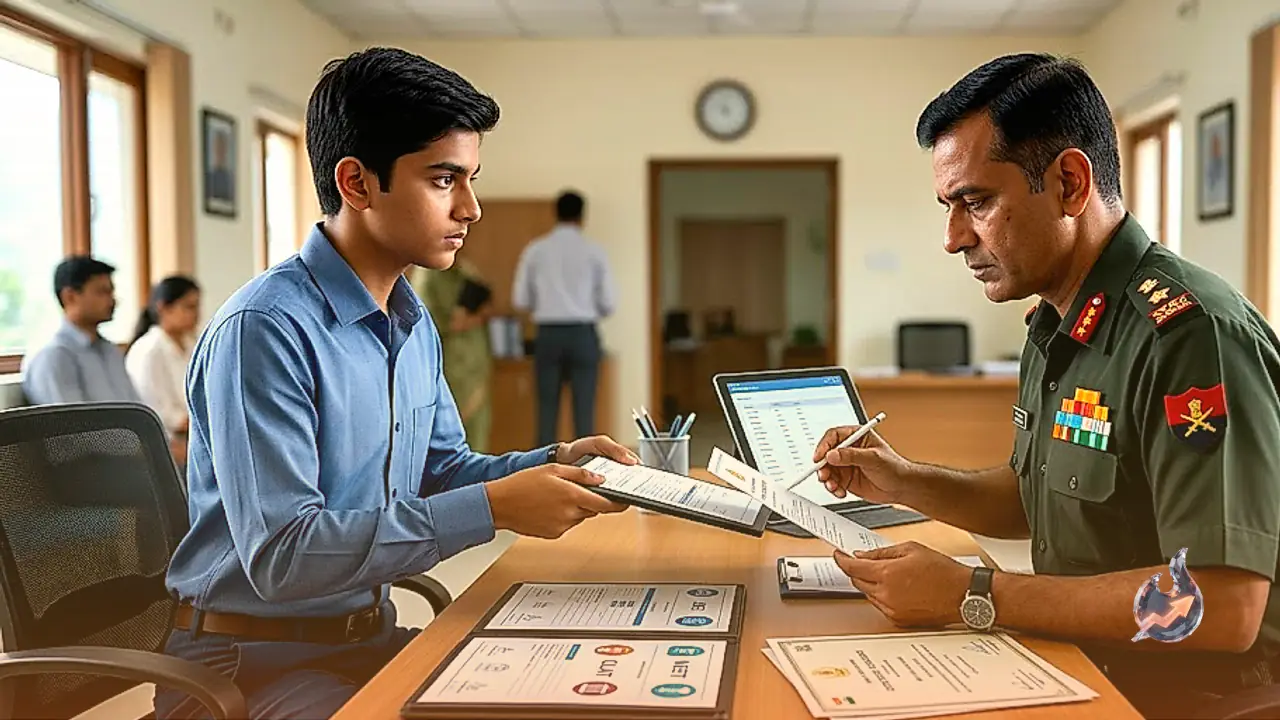
While the preliminary written hurdles are being dismantled, the ultimate litmus test remains firmly in place. According to the outlined restructuring, candidates who secure impressive ranks in their respective national exams will earn a direct ticket to the Service Selection Board (SSB) interview. The SSB interview retains its status as the most critical, rigorous, and defining phase of the officer selection journey in the Indian Army. Bypassing the initial written test simply shifts the entire focus onto this exhaustive psychological and physical evaluation. The board is meticulously designed to scrutinize a candidate's inherent leadership capacity, their mental agility under stress, the depth of their personality, and their split-second decision-making capabilities. It is here that raw academic intelligence is tested against the practical, high-stakes demands of military leadership.
Tangible Advantages for the Youth
This procedural overhaul promises a multitude of significant benefits for students scattered across the country. The most glaring advantage is the elimination of the immense burden of preparing for a completely separate military written examination. Candidates who have already dedicated grueling hours to excel in JEE, CLAT PG, or NEET PG can now leverage that exact same hard work to unlock a career in the armed forces. This dual utility of a single exam score translates to a massive conservation of both time and intellectual effort. Furthermore, it completely removes the financial strain on the candidates. Aspirants will no longer be forced to navigate separate application portals, pay additional examination fees, or invest in distinct preparatory materials for a military-specific written test. A singular outstanding performance in a national exam is now sufficient to open the doors to an elite officer career.
Accelerating the Administrative Machinery
Beyond the advantages offered to candidates, the Defence Ministry stands to gain unparalleled administrative efficiency. The traditional cycle of conducting independent recruitment examinations is notoriously protracted. The logistical nightmare of organizing testing centers, administering the exams, meticulously generating results, and then initiating the actual selection phase consumes a vast amount of time. By anchoring the initial shortlisting strictly to pre-existing national examination scores, the military will compress this timeline dramatically. The recruitment cycle will become exponentially faster, allowing the armed forces to plug critical manpower gaps with much greater speed and heightened operational effectiveness.
Fostering National Talent and Economic Savings
Every year, millions of students participate in these massive national-level assessments. Within this vast demographic, countless brilliant individuals harbor a deep-seated desire to forge a career within the armed forces. Once this modernized scheme is fully operational, the highest-ranking students across the nation will have a direct, unimpeded pipeline to the army's elite selection stages. This guarantees that the Indian Army will be infused with the absolute best and most qualified officer material available. Concurrently, this strategic shift promises a monumental reduction in government expenditure. Hosting independent, nationwide recruitment exams currently drains crores of rupees from the state exchequer. By intelligently recycling the outcomes of established national tests, the necessity for parallel military exams plummets, resulting in massive financial savings for the government while simultaneously elevating the quality of its officer intake.