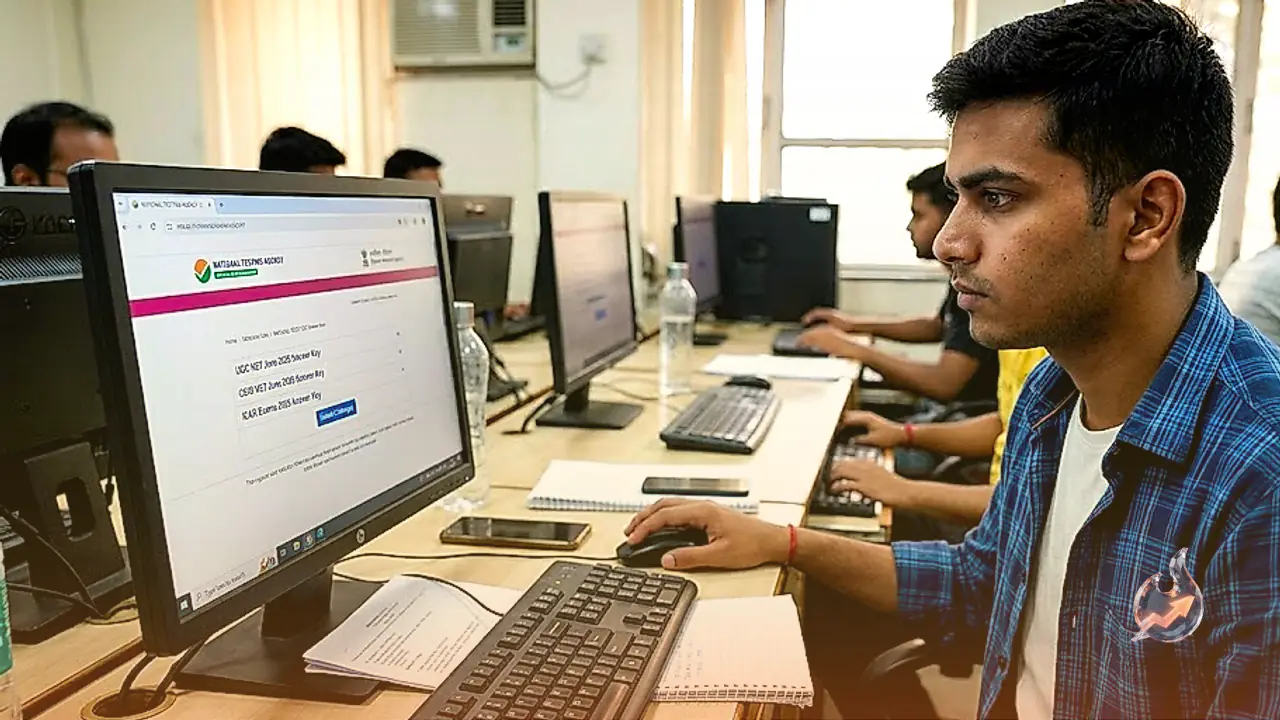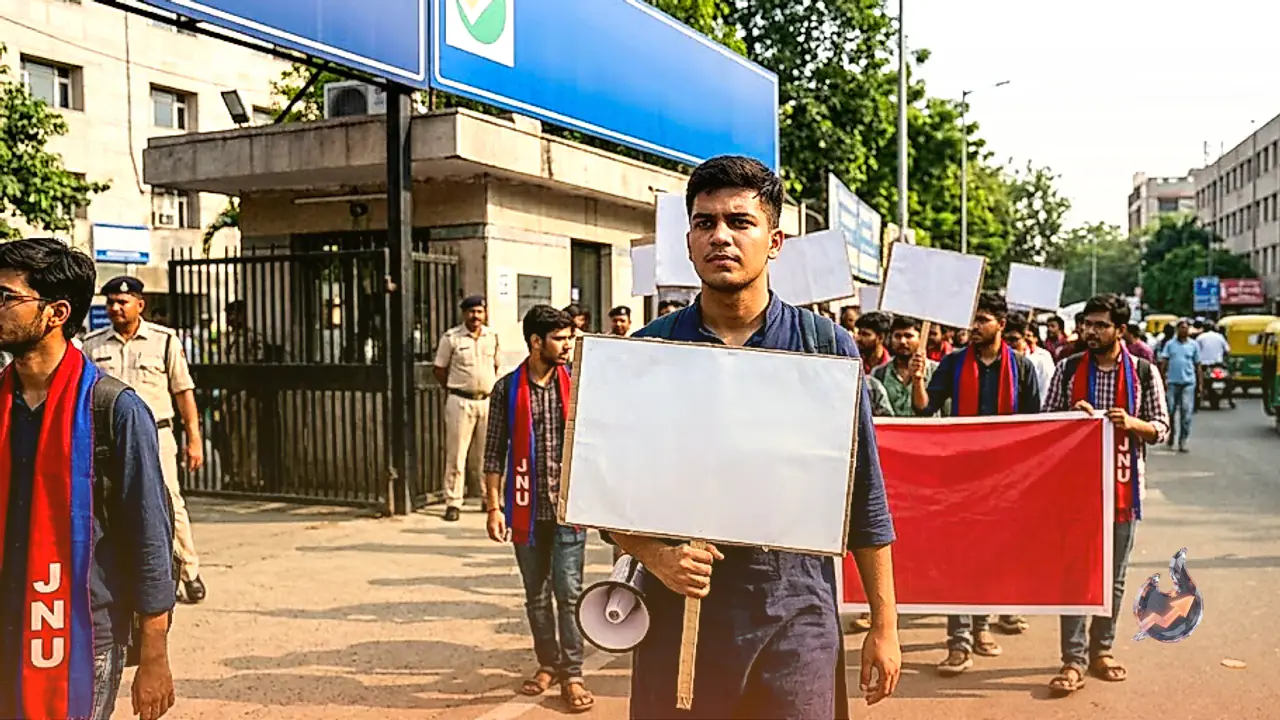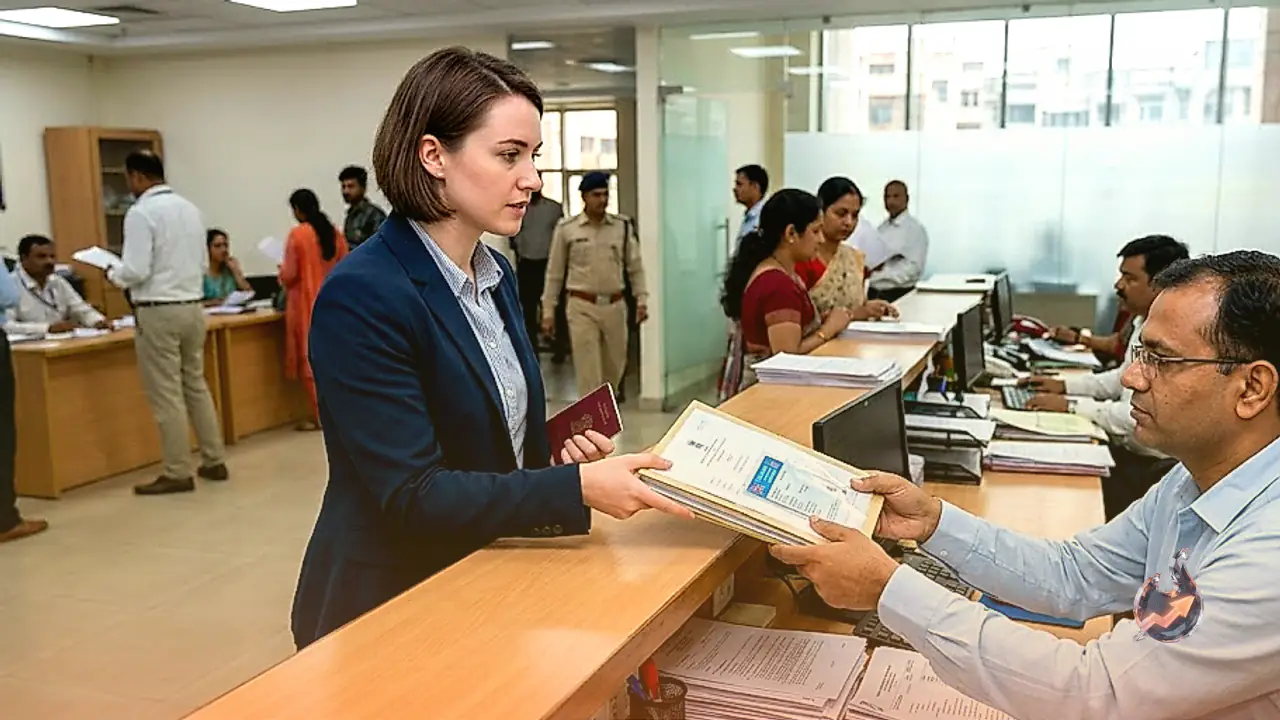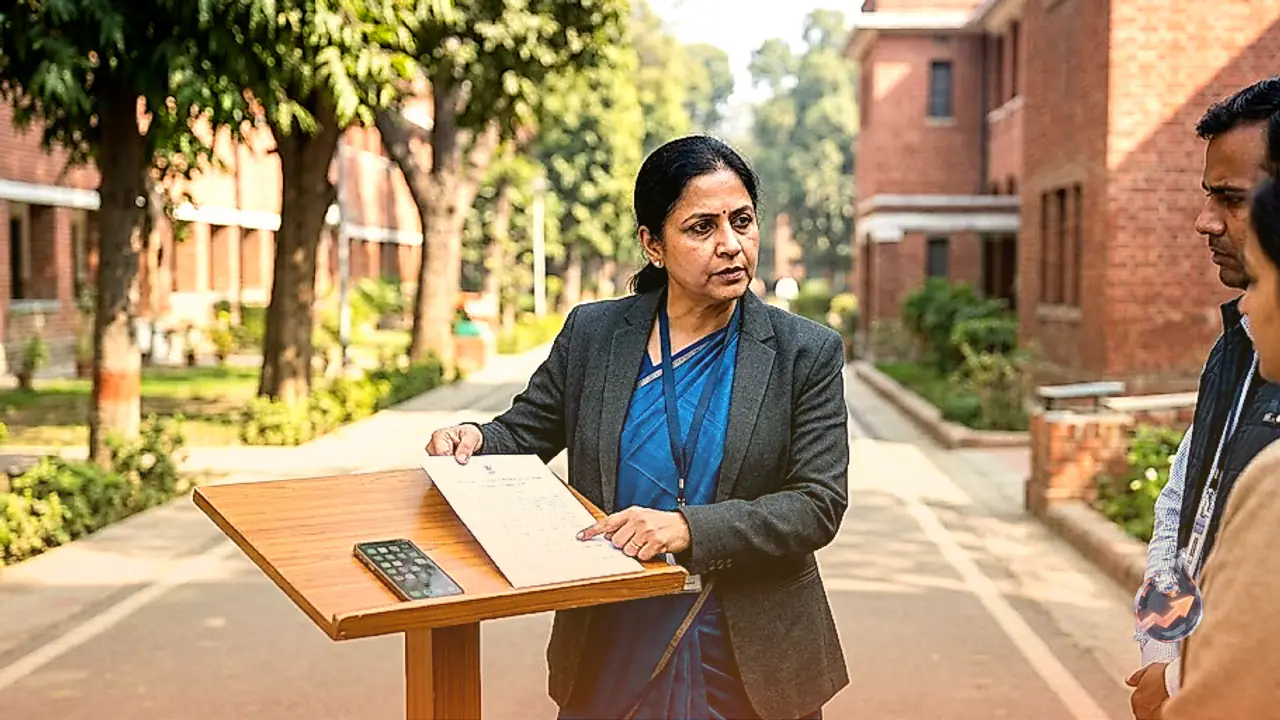
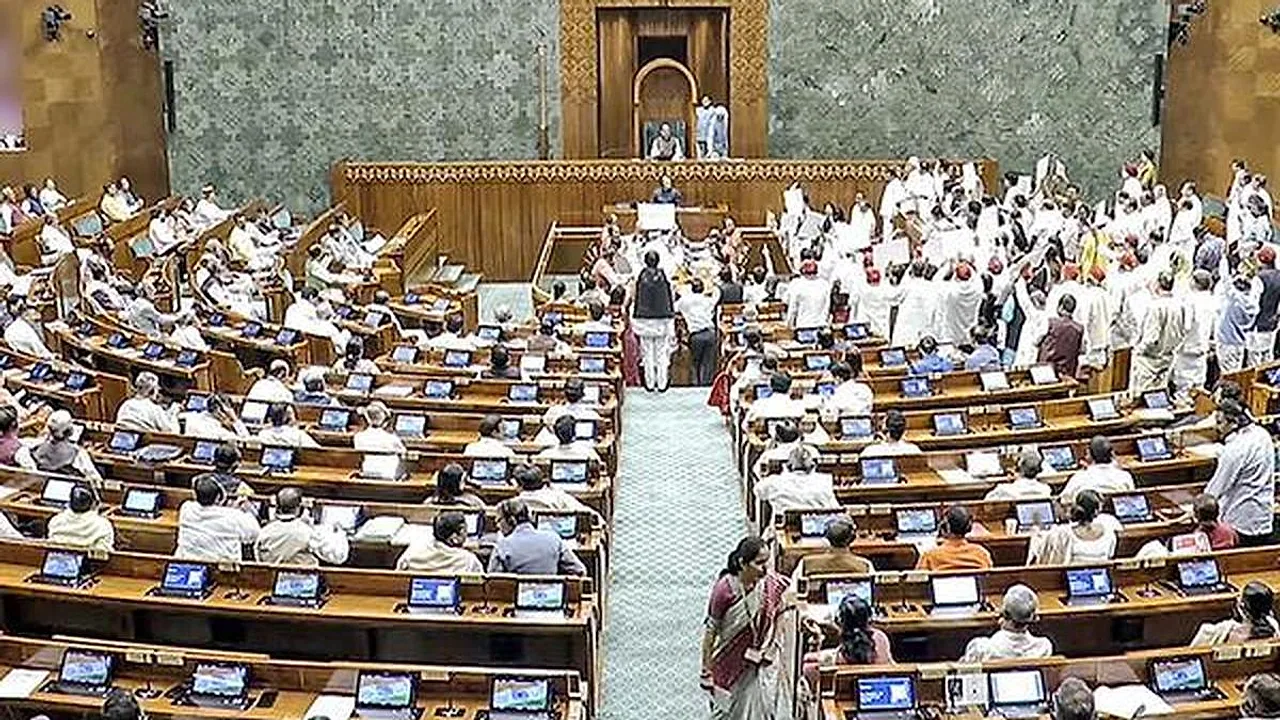





















There was a time when the 'American Dream' was the ultimate pinnacle of success for every Indian student. Whether they were from prestigious IITs or local colleges, the primary ambition was securing a US visa to ensure a stable future. However, the tide has turned dramatically. In the past year alone, 30,000 Indians have turned their backs on the United States. Exhausted by endless rounds at embassies and burdened by draconian immigration rules, Indian students are increasingly saying goodbye to the US.
The Burden of Visa Complexity
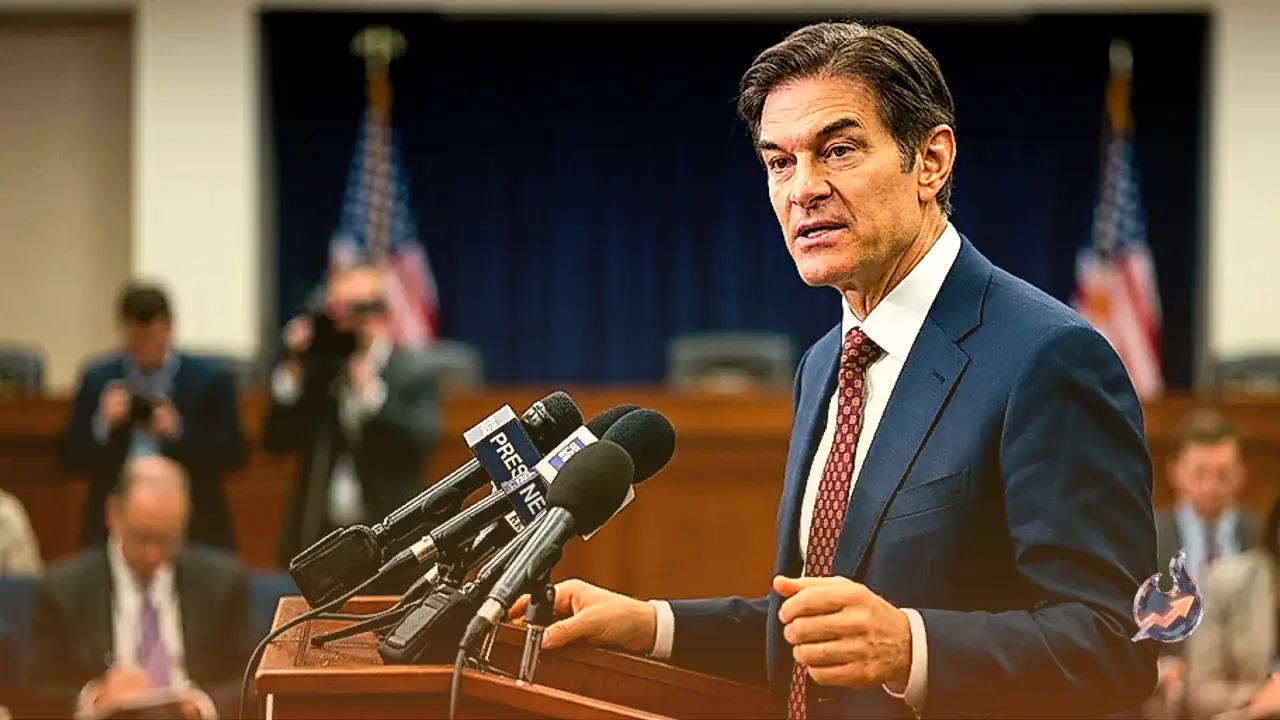
Accessing the United States has become significantly more challenging. Immigration policies have tightened, particularly under the Donald Trump administration, making the rules increasingly rigid. Many students are now forced to wait for months just for a visa interview. Frequently, the academic intake date passes while students are still waiting for a visa slot. Compounding this, the pressure of social media scrutiny and the constant anxiety of visa rejections have caused significant mental strain. When students invest millions, the persistent uncertainty of the process forces them to look elsewhere.
The Employment Crisis and H-1B Struggles
Beyond the visa hurdles, securing employment after graduation has become a massive concern. While students on an F-1 visa are granted the opportunity to work through OPT (Optional Practical Training), securing an H-1B visa afterward is akin to a lottery. For corporations, sponsoring foreign students has become an expensive and legally complex endeavor, leading them to prioritize hiring local candidates. Students burdened with high-interest education loans require immediate employment upon graduation, a prospect that has become increasingly elusive in the current US job market.
Why Europe is the New Favorite
Faced with these realities, many are asking: if not the US, then where? The answer is Europe. Countries such as Germany, France, Ireland, and the Netherlands are capitalizing on this shift. In Germany, several public universities charge zero tuition, making education practically free. Furthermore, various European nations offer 18 to 24-month 'stay-back' periods after graduation, allowing students ample time to search for jobs. The visa procedures are far less convoluted than those in the US, and obtaining permanent residency is becoming a much more attainable goal.
Financial Strain on American Universities
The exodus of Indian students is causing severe financial distress to American higher education institutions. Indian students contribute approximately $9 billion annually to the US economy. With this significant reduction in student numbers and the drying up of visa-related interest, many colleges are facing heavy losses. Experts warn that unless there is a relaxation in visa regulations, the United States risks losing out on the world's brightest minds indefinitely.