



















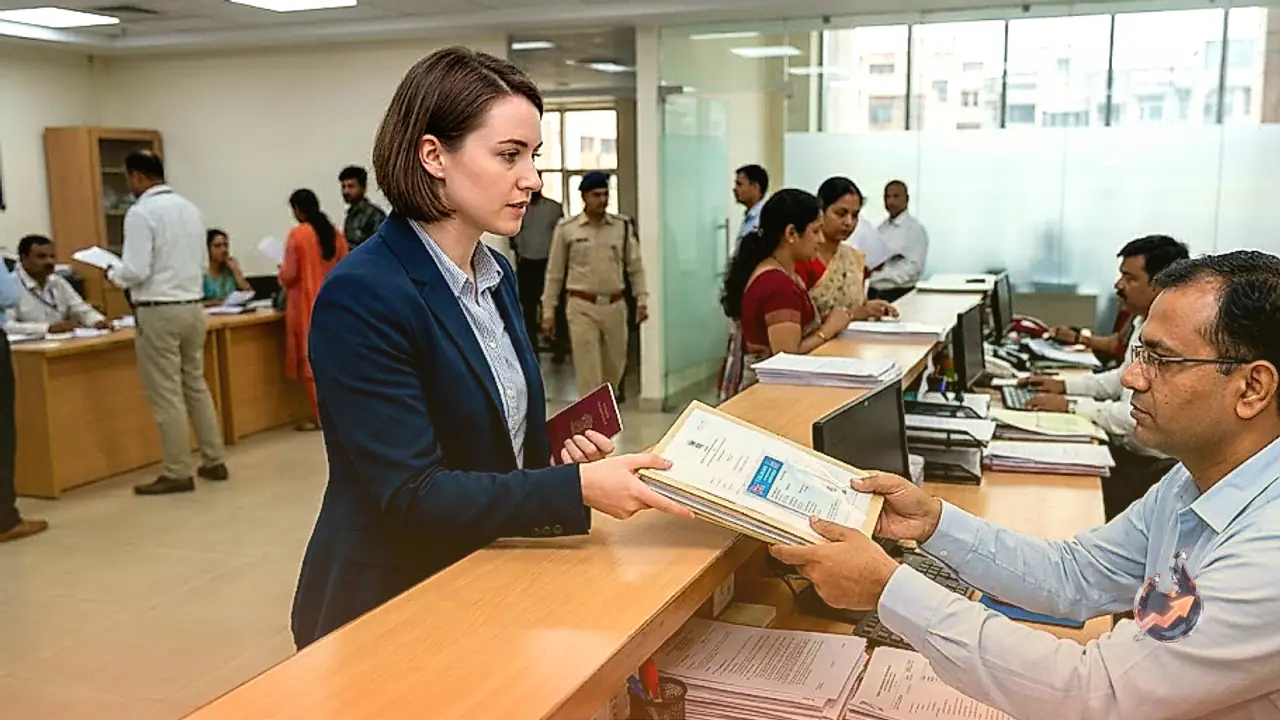

Every year, hundreds of thousands of Indian students aspire to become doctors, but limited medical seats and intense domestic competition lead many to pursue their MBBS degrees overseas. While traditional study destinations like Russia, Kazakhstan, Uzbekistan, and China attract a large number of applicants, returning to India with a foreign degree presents a major hurdle. To practice medicine legally in India, foreign medical graduates must pass the Foreign Medical Graduate Examination (FMGE), a screening test conducted by the National Medical Commission (NMC). Given the historical low pass rates of the FMGE, many students face severe uncertainty regarding their professional careers. However, a lesser known fact is that graduates from five prominent countries can bypass the FMGE entirely upon their return to India, provided they fulfill specific NMC criteria.
Understanding the FMGE Challenge for Foreign Graduates
For students who complete their medical education in countries such as Russia, Kazakhstan, Uzbekistan, or the Philippines, clearing the FMGE is an absolute prerequisite to obtaining a registration certificate from the NMC or state medical councils. The examination evaluates whether a candidate's clinical skills and medical knowledge meet the standards required for practicing medicine in India. Due to its broad syllabus and rigorous testing structure, only a small percentage of test takers clear the exam on their first attempt. Failing to pass leaves medical graduates unable to practice despite spending years studying and investing significant financial resources abroad. Consequently, prospective students increasingly seek educational destinations that offer global standard training alongside a smooth pathway to practice in India without the added stress of the FMGE.
The 5 Nations Exempted From the FMGE Screening Test
According to current National Medical Commission guidelines, five major English speaking countries possess medical education systems and regulatory frameworks recognized for exceptional clinical quality. Indian students who obtain a medical degree from these countries and successfully secure a full medical practice license there are granted direct registration in India without sitting for the FMGE. Here is a detailed breakdown of these five nations and their respective licensing procedures
1. United States of America (USA): In the United States, the undergraduate medical degree is offered as an MD (Doctor of Medicine). American medical education is globally acknowledged for its rigorous clinical exposure and state of the art facilities. After completing their MD in the US, students must successfully pass all steps of the United States Medical Licensing Examination (USMLE). Obtaining a full medical license to practice in the US through the USMLE pathway automatically entitles the graduate to practice medicine in India without taking the FMGE.
2. United Kingdom (UK): Medical qualifications from the UK carry immense prestige globally. Medical students in the UK undergo early clinical exposure and hands on training in National Health Service (NHS) hospitals. Graduates from UK medical schools must pass the Professional and Linguistic Assessments Board (PLAB) exam to secure full registration with the General Medical Council (GMC). Once registered as a licensed doctor with the GMC, the individual becomes eligible for direct medical registration in India without FMGE.
3. Australia: Australian medical universities are celebrated for cutting edge research and world class clinical infrastructure. After acquiring a medical degree in Australia, Indian students must clear the Australian Medical Council (AMC) examination process. Securing an AMC practice license allows the graduate to directly register with the NMC in India, waiving any requirement for the domestic screening test.
4. Canada: Canada maintains exceptionally stringent academic and clinical evaluation standards for medical professionals. International students graduating from Canadian medical faculties must clear the Medical Council of Canada Qualifying Examination (MCCQE). Acquiring a license to practice medicine as a registered physician in Canada authorizes the graduate to set up a private practice or work in Indian hospitals without undergoing the FMGE.
5. New Zealand: Renowned for its high quality healthcare infrastructure and peaceful living conditions, New Zealand offers top tier medical education. Graduates from New Zealand institutions must pass the New Zealand Registration Examination (NZREX) pathway to earn local practice authorization. A valid practice license from New Zealand grants a full exemption from the FMGE screening exam in India.
The Critical Mandatory Requirement Set by the NMC
While the exemption offers a streamlined path for foreign educated doctors, candidates and parents must pay strict attention to the core rule established by the National Medical Commission. Mere possession of an MBBS or MD degree from a university in these five countries does not automatically qualify a graduate for FMGE exemption. The NMC rule explicitly mandates that the candidate must complete the full local licensing procedure, passing examinations like USMLE, PLAB, AMC, MCCQE, or NZREX, and obtain the official medical practice license in that country. If a student earns a degree in one of these five nations but fails to acquire the official local practicing license, they will still be required to clear the FMGE before practicing in India.