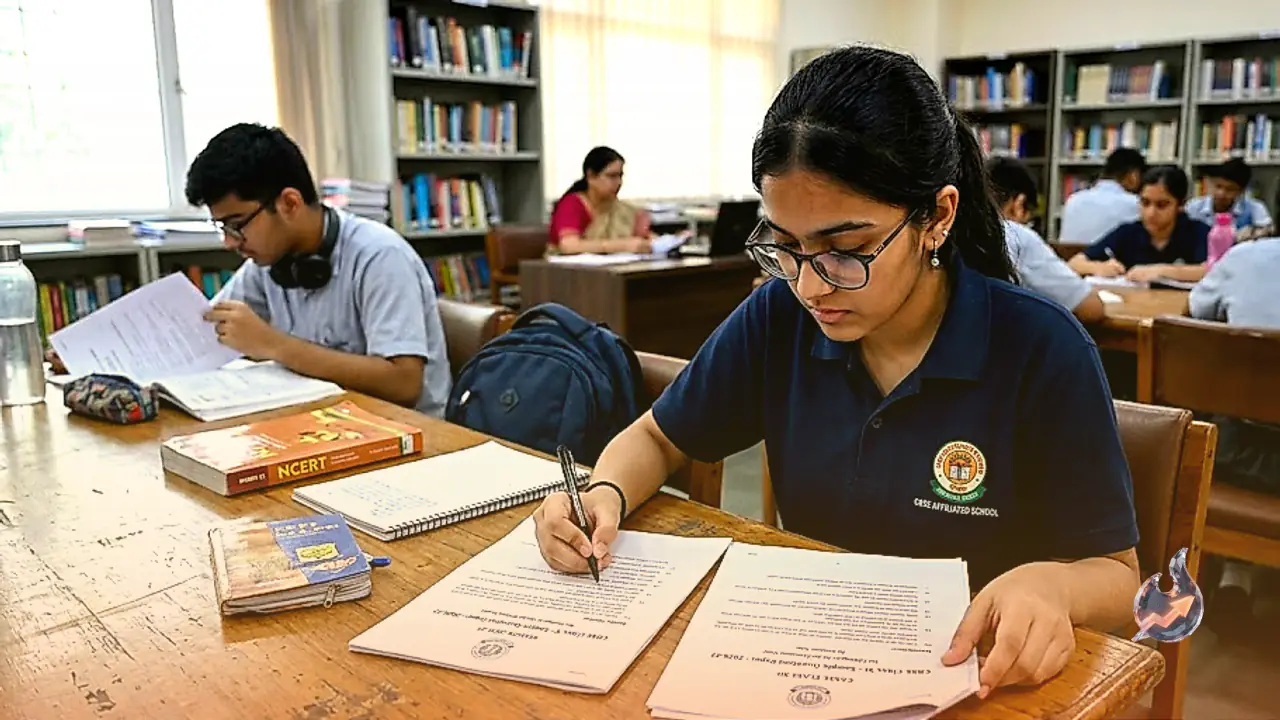

























Artificial intelligence has woven itself into nearly every aspect of daily life, extending from mundane morning routines to complex corporate initiatives. Children are deeply embedded in this digital reality, where instant solutions to academic queries and technical problems are readily available at the click of a button. From mastering syllabus subjects to writing computer code, AI resources remain accessible directly at their fingertips. However, this ease of access prompts a fundamental question about whether technology can also nurture empathy and character. Can digital screens or automated systems ever replicate the nuanced life experiences that children absorb while sitting among peers in a real classroom.
The availability of sophisticated home-learning applications has led some parents to question whether traditional physical schooling remains necessary. Education experts emphasize that true education goes well beyond memorizing textbooks and scoring high marks in examinations, functioning instead as a guide for living meaningfully in society. Praneet Mungali, Trustee at Sanskriti Group of Schools, believes that while technology can simplify educational pathways, the cultivation of empathy, morality, and social responsibility can only be achieved through schools and dedicated teachers. This insight clarifies why physical school environments remain indispensable for comprehensive childhood development even amidst rapid technological advances.
Practical Life Lessons Beyond Digital Displays
Classrooms offer children far more than academic curriculum; they deliver tangible lessons in personal and social conduct. Long-standing educational traditions demonstrate that authentic knowledge involves more than collecting information, requiring individuals to translate wisdom into daily behavior. While modern artificial intelligence systems hold vast repositories of global data, they lack genuine human emotions and interpersonal understanding. Inside a classroom, teachers build authentic emotional bonds with students, guiding them on how to interact respectfully within society, honor elders, and treat younger peers with kindness. Such practical social wisdom cannot be downloaded into any software program; it can only be cultivated within the dynamic environment of a school alongside classmates.
Teamwork, Leadership, and Authentic Interpersonal Bonds
Unchecked reliance on automated tools and personal gadgets risks pushing young minds toward isolation and physical inactivity. In stark contrast, school settings foster collaboration and mutual engagement. When students participate in sports on the playground, rehearse for annual cultural festivals, or cooperate on group assignments, they naturally develop essential leadership skills. They learn to divide responsibilities, appreciate diverse viewpoints, and support their peers emotionally. This personal confidence and emotional resilience cannot be generated by computer algorithms, arising instead through direct engagement with real-world interactions and challenges.
National Education Policy 2020 and Balancing Technology with Values
Emphasizing the primacy of human instruction does not imply that technology should be rejected or feared. The National Education Policy 2020 recommends employing AI and digital innovations as enablers to make quality education simpler and broadly accessible, particularly for children residing in remote areas or students with disabilities. Technology serves as an exceptional instrument, yet it cannot serve as the master of the learning process. Overdependence on automated tools risks eroding critical thinking and organic creativity in developing minds. Embracing digital tools as supportive aids while safeguarding the foundational role of physical schooling and human values remains the most balanced approach for holistic student growth.