


















Rural women in the Bilaspur district have rewritten their own financial destinies by turning traditional skills into a thriving commercial enterprise. Breaking away from conventional household roles, these women are proving that dedication and the right administrative support can turn small village initiatives into massive economic success stories.
The Inspiring Journey in Akaltari Village
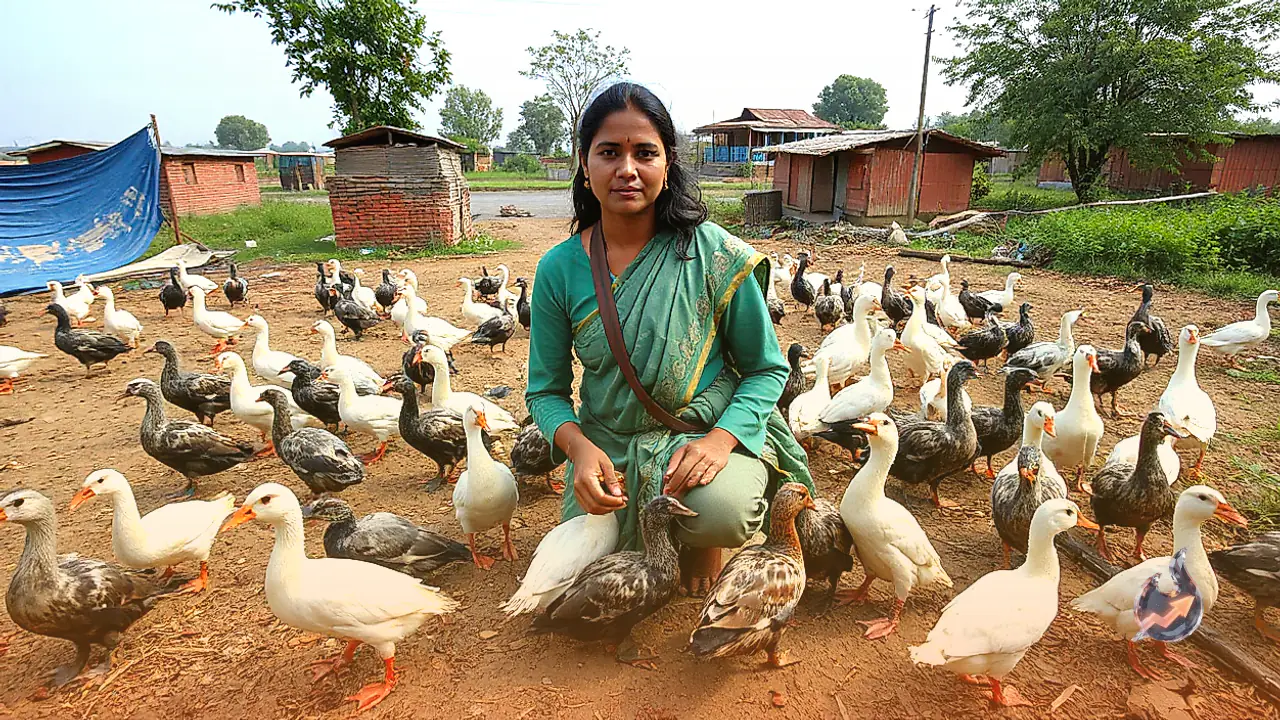
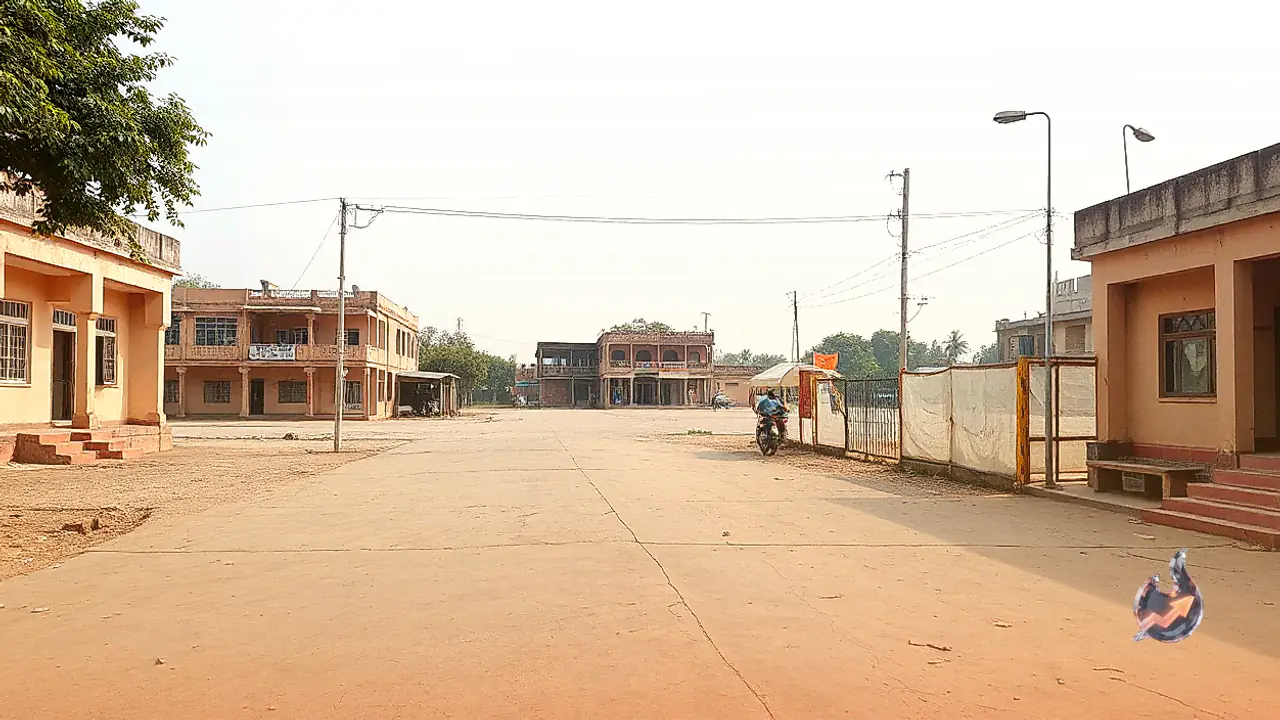
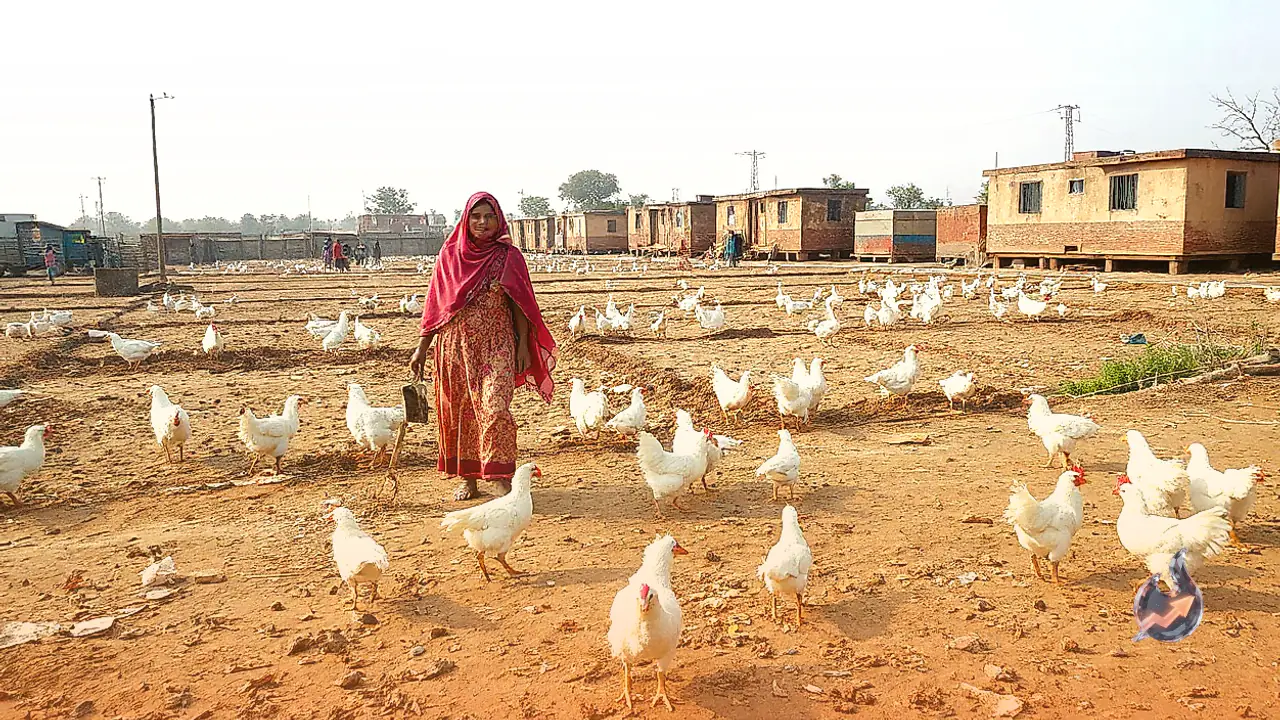
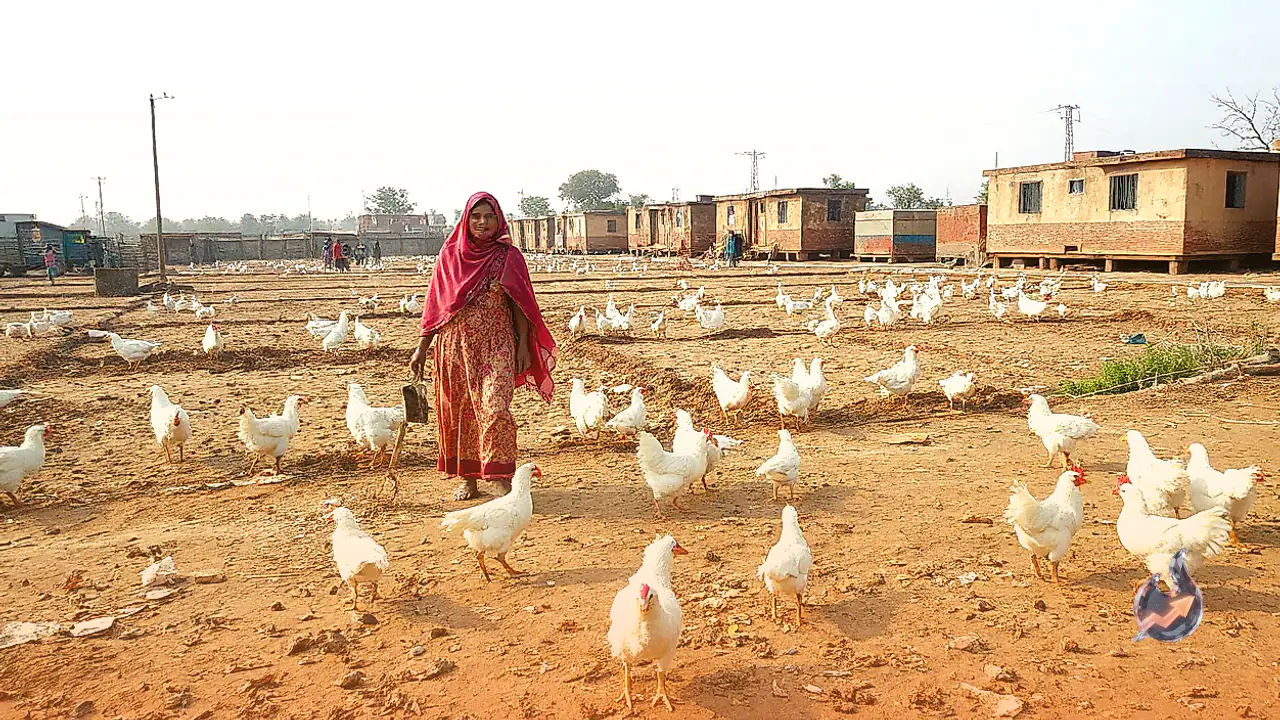
Located in the Bilha development block, a collective of women in Akaltari village has embraced self-reliance through the National Rural Livelihoods Mission. By forming a dedicated self-help group, these members ventured into poultry farming, egg production, quail rearing, azolla cultivation, and fertilizer manufacturing. Over the span of just three years, their concerted efforts have generated a total turnover of approximately 1 crore rupees, yielding a net earning of around 30 lakh rupees.
Expanding Markets Beyond Local Boundaries
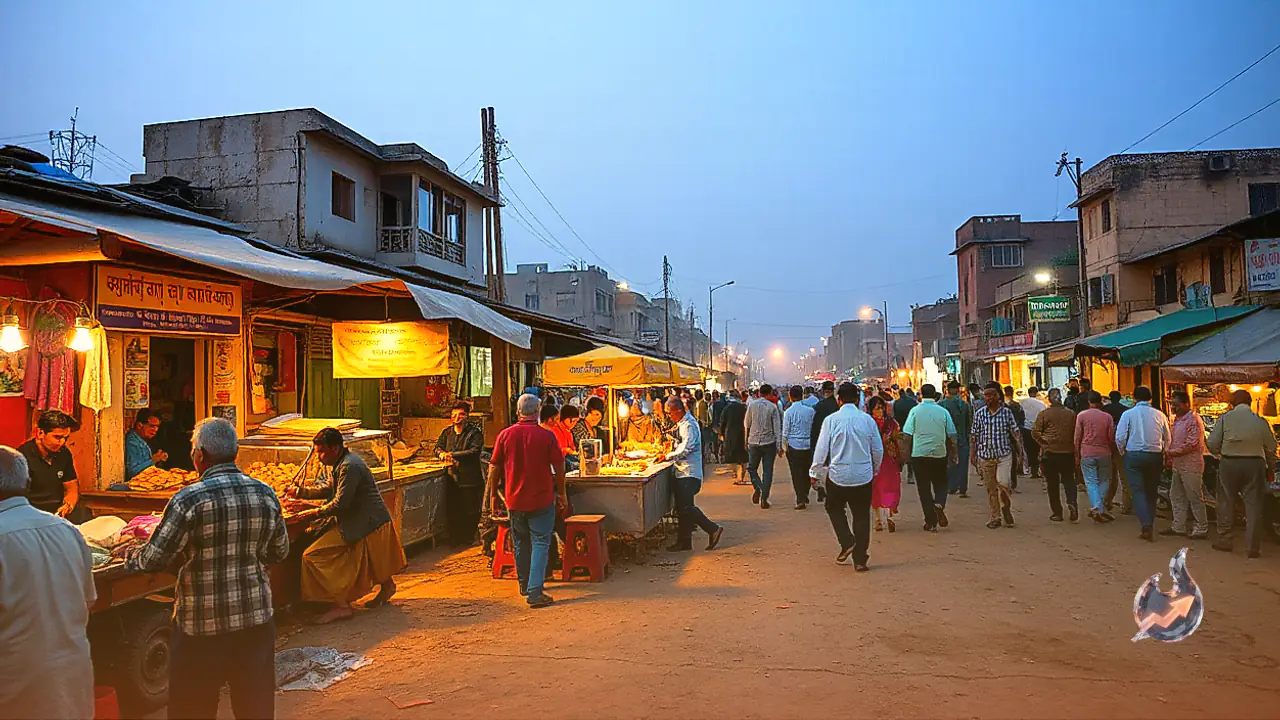
The group consists of 10 members in total, with three women actively managing the day-to-day operations at the production site. What started as a modest local setup has now grown into a widespread commercial operation supplying goods to distant markets. The quail eggs produced by these women are regularly transported and supplied all the way to Indore, alongside regular sales in nearby regional markets.
Expert Guidance and Veterinary Support
The steady growth of this enterprise is heavily backed by the district's animal husbandry department and government developmental frameworks. According to Dr. Lakhan Manhar, a veterinary doctor with the district livestock development department, the Akaltari women's group pulls in an annual income ranging between 10 lakh and 12 lakh rupees from their diversified activities. The department provides continuous technical training, professional guidance, and administrative support to ensure smooth business operations.
Daily Operations and Production Scale
Radhika Dhivar, an active member of the group, explains that their workday begins promptly at around 9 am when they arrive at the production center. Their routine involves feeding the birds, cleaning the shelters meticulously, and ensuring proper health maintenance. Radhika Dhivar noted that regular care has kept egg production running smoothly, allowing the group to produce well over one thousand quail eggs every single week.
A Model for Rural Women Empowerment
The collective's financial success illustrates how animal husbandry and allied agricultural activities can serve as permanent, reliable sources of livelihood in rural landscapes. By maintaining an average annual income of around 10 lakh rupees, these women are not only uplifting their own households but also establishing a powerful benchmark for female entrepreneurship across the region.