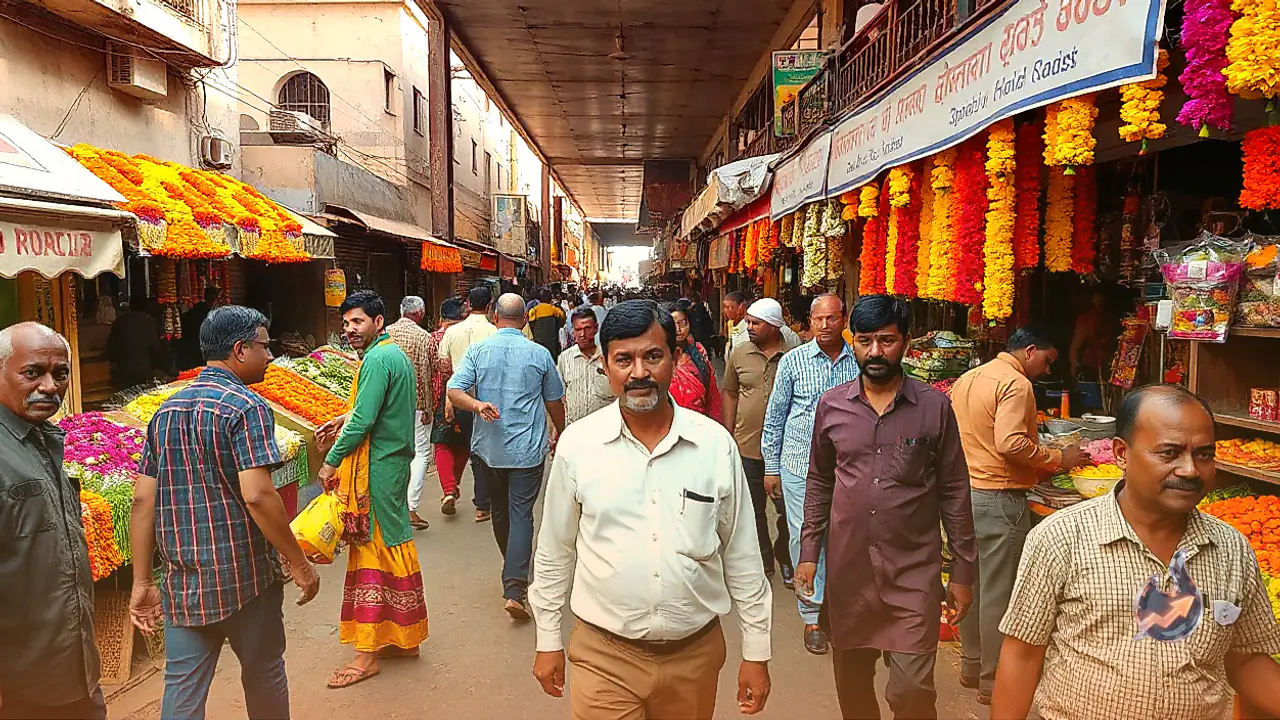






















When Chhattisgarh was carved out of Madhya Pradesh in November 2000, several alternatives were debated for the administrative seat of the newly created state. While names like Nandghat featured in public discourse, the consensus ultimately sealed Raipur's position. This decision was not an arbitrary product of modern convenience; rather, it was anchored in an unbroken, six-century-old legacy of governance, commerce, and strategic centrality.
The Kalachuri Dynasty and the Division of Power
Historical accounts trace Raipur's ascent as a seat of authority back to the medieval era. According to historian Acharya Ramendranath Mishra, the city assumed capital status approximately 600 years ago under the Kalachuri rulers. At the time, the dominant Kalachuri dynasty of Ratanpur witnessed an internal partition into two separate domains. While the primary lineage retained control over Ratanpur, the secondary branch established what came to be known as the Raipur kingdom.
Initially, the rulers designated Khalari as their administrative seat. However, geographic and security priorities soon prompted a relocation toward the banks of the Kharun river. Eventually, a fortified stronghold was erected near Budha Talab, transforming Raipur into a vital hub for military defense and civil administration. For centuries afterward, the settlement remained the operational heartbeat of regional governance.
Maratha Ascendancy and the British Colonial Era
The geopolitical landscape shifted dramatically in 1740 when the Bhonsle Maratha rulers took command of the region. Recognizing the practical logistical benefits and central location of the city, they shifted administrative emphasis away from Ratanpur, elevating Raipur as their focal command center. Following the arrival of British colonial administrators in 1818, Raipur's standing as a paramount regional headquarters only solidified further.
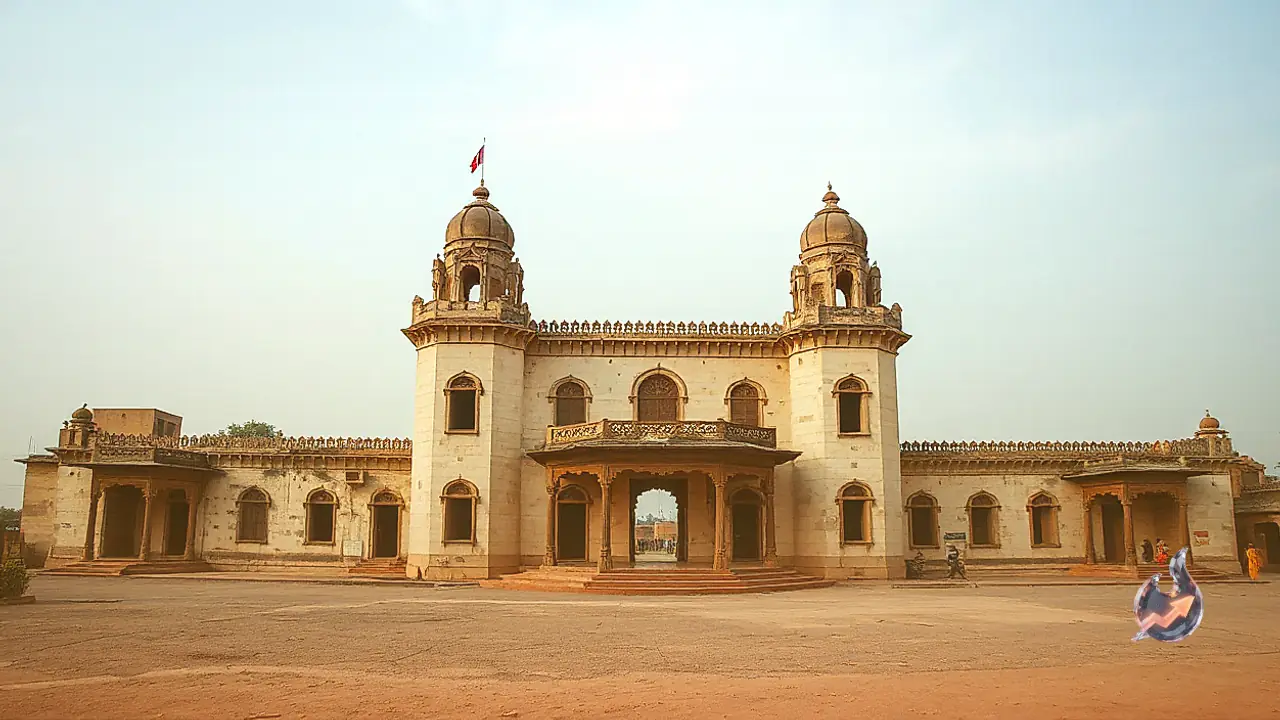
Upon its direct absorption into the British Empire in 1853, Raipur was formally instituted as the capital of the Chhattisgarh division. In subsequent decades, as administrative boundaries were reorganized into Nagpur Province and eventually the Central Provinces and Berar, the city retained its pivotal role. Landmark civic institutions established during this era, such as the prestigious Rajkumar College, spurred rapid urbanization and infrastructural sophistication.
Railway Expansion, Commerce, and the 2000 Statehood Milestone
Parallel to its administrative prominence, Raipur evolved into the undisputed commercial capital of the surrounding territories. Around 1888, the expansion of railway connectivity transformed local commerce. Direct rail transit accelerated the inflow and distribution of goods across central India, fueling substantial mercantile growth. When territorial adjustments led to a restructured map of Chhattisgarh on January 1, 1906, Raipur remained the undisputed focal point of the region.
Consequently, when Chhattisgarh attained formal statehood on November 1, 2000, Raipur carried the distinct advantage of having served as an uninterrupted primary administrative center for well over a century. Its entrenched bureaucratic framework, combined with deep historical roots, superior connectivity, and established civic infrastructure, made it the natural and definitive choice for the state's permanent capital.