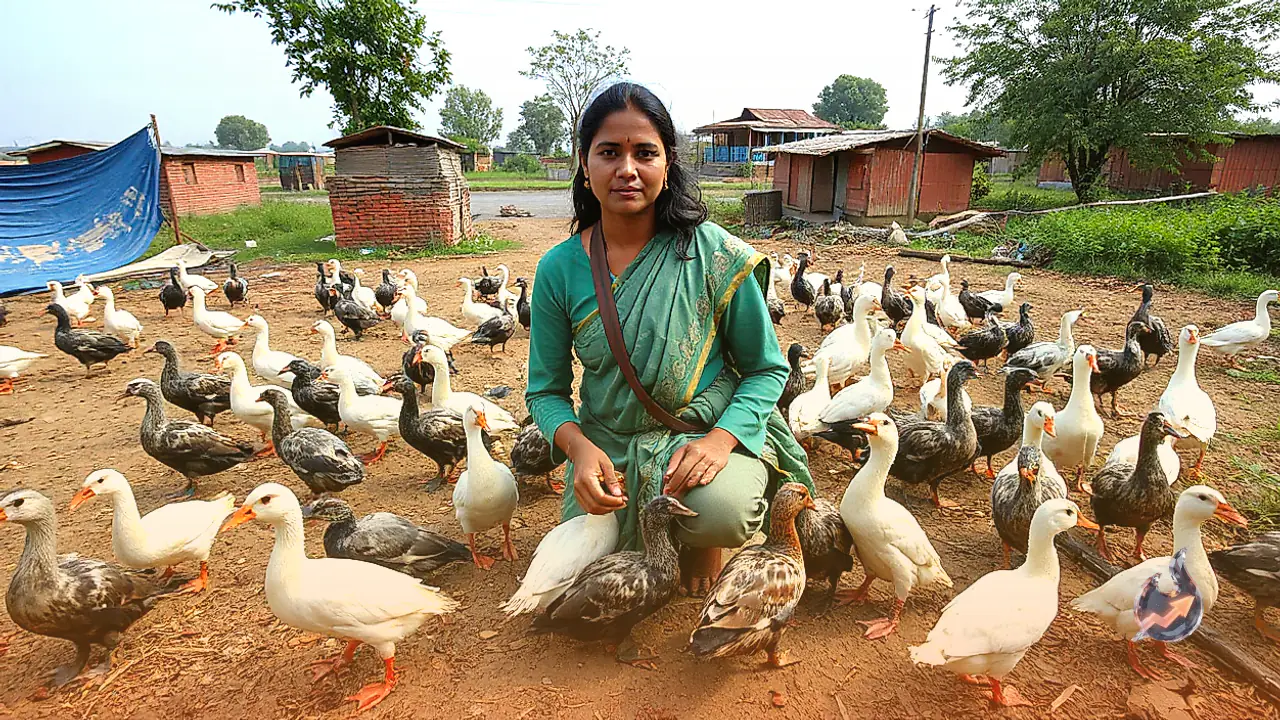














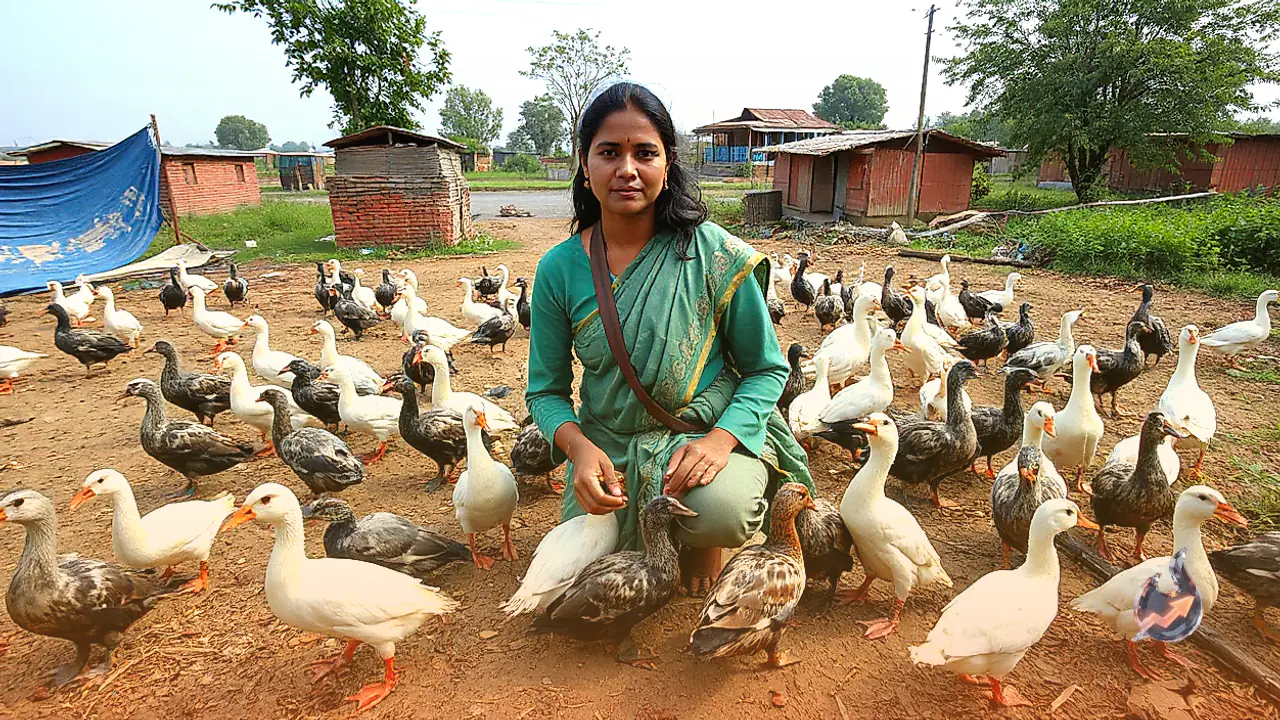

Venturing beyond conventional farming and manual labor, rural entrepreneurs across India are discovering sustainable financial independence through specialized backyard livestock ventures. In Chhattisgarh's Bastar region, a resident named Basanti Kashyap has transformed indigenous duck rearing into a lucrative livelihood. What began on a modest footing with just one male and one female duck has steadily developed into a consistent source of household earnings, significantly enhancing her family's overall financial security.
Modest Beginning and Flocking Growth
Basanti initiated her duck farming endeavor with a minimal upfront investment of Rs 2,000 to Rs 2,500, purchasing a single breeding pair. Rather than spending additional capital on commercial hatcheries, she allowed the male and female ducks to breed naturally at home. Through careful management and consistent reproduction, her flock expanded to approximately 50 birds. Her commercial sales have already generated Rs 40,000 in total revenue, bolstered by a recent transaction in which she sold 30 ducks in one go.
High Market Valuation for Indigenous Breeds
Commercial hybrid ducks typically command a market rate of around Rs 250, but native indigenous varieties enjoy far higher valuations across rural markets. Bastar experiences robust local consumer demand for duck meat, making these birds a prized culinary item. Once the ducks mature over a standard six month growth cycle, Basanti commands Rs 800 for an adult male duck and up to Rs 2,500 for a fully grown female duck, delivering profit margins far superior to regular poultry alternatives.
Zero Commercial Feed Burden and Simple Management
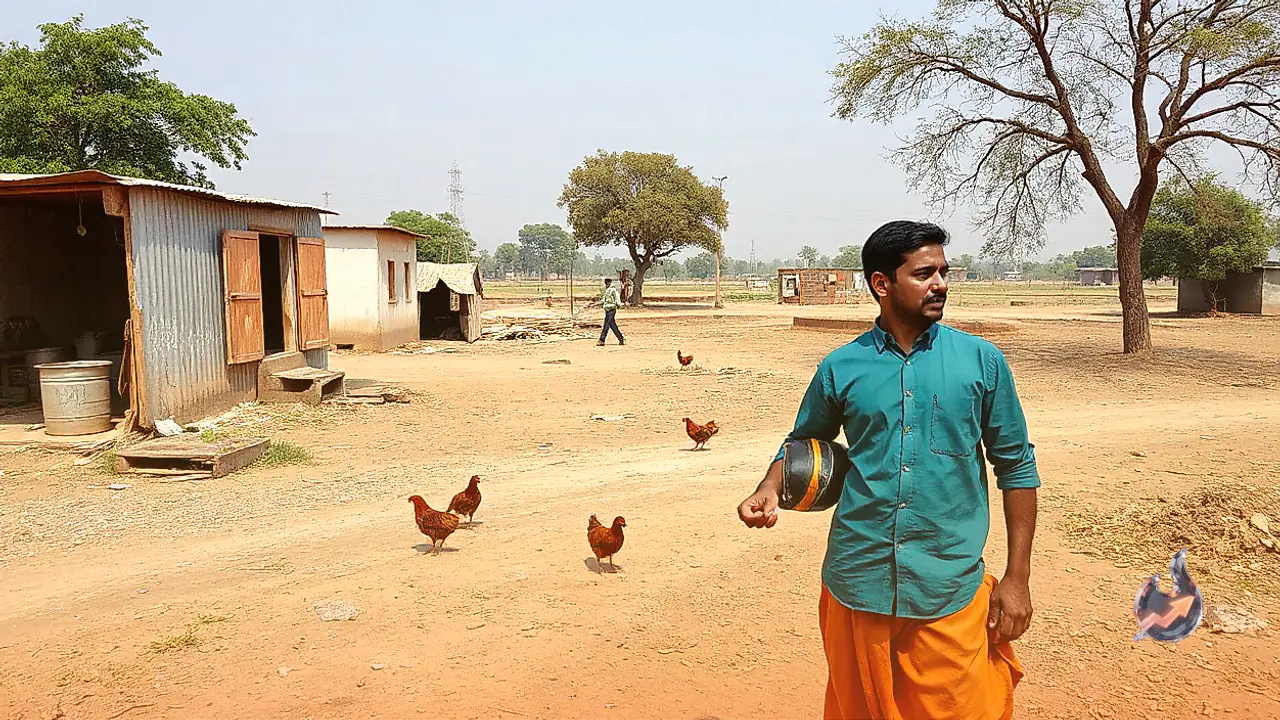
The core advantage of this livestock model lies in its negligible operating expenditure. Basanti does not purchase packaged commercial poultry feed from retail stores. Instead, her flock thrives on leftover kitchen scraps, domestic rice, raw paddy, fresh grass, and other household food remnants. Having observed neighbors running prosperous duck units, she also integrated local chickens alongside her ducks. Because both species can be managed within home premises with near-zero feed costs, the venture provides an accessible model for rural prosperity.