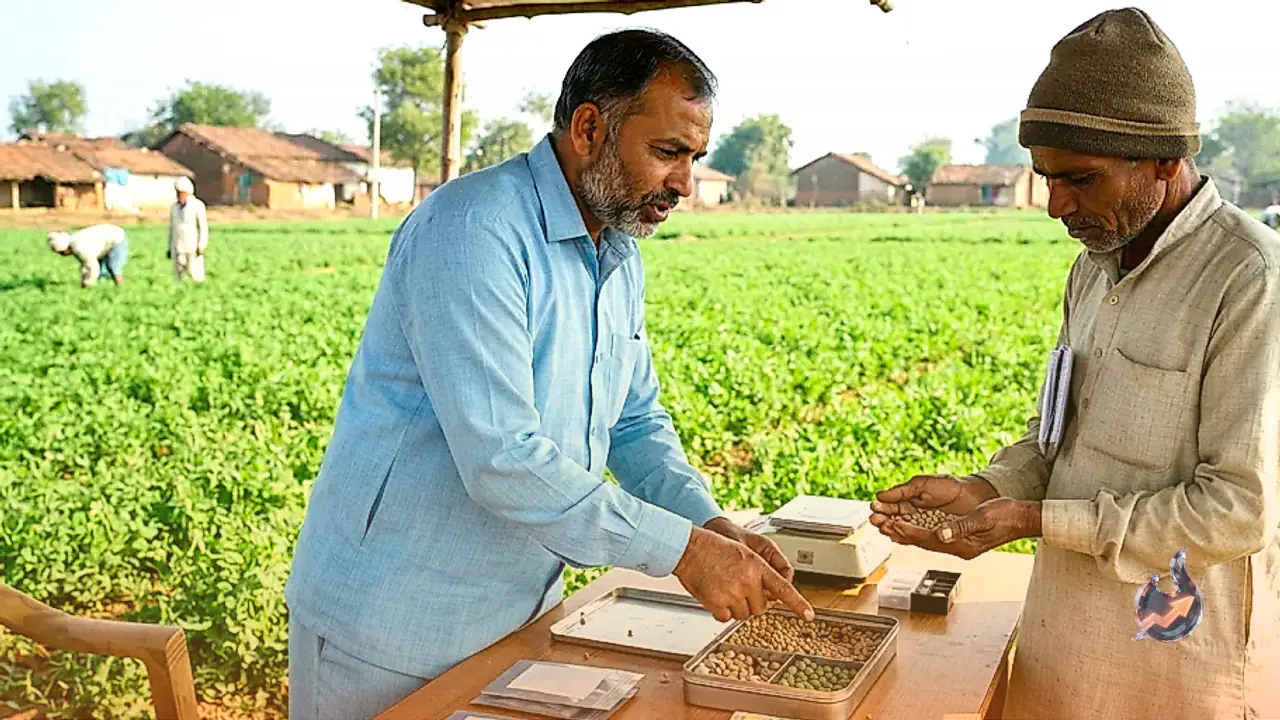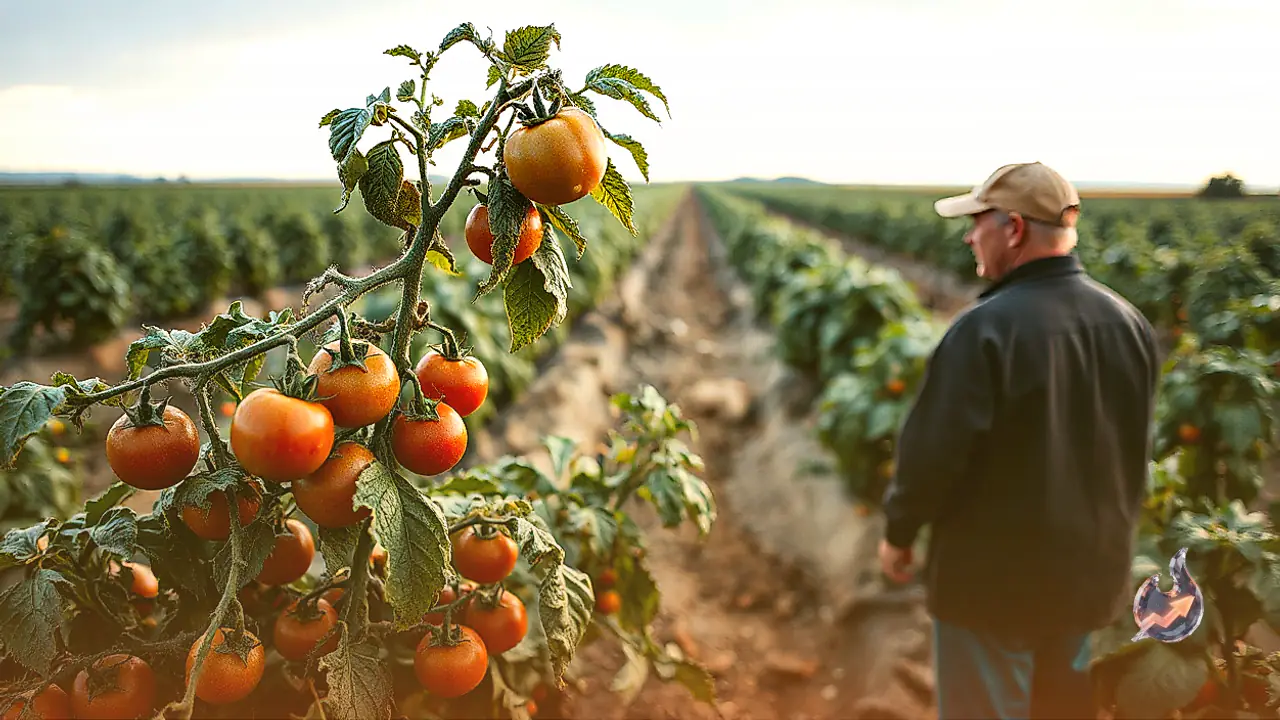

The winter season is widely regarded as the most favorable period for cultivating tomatoes, offering farmers an ideal opportunity for high yields. According to Dr. Baldev Agrawal, a subject matter specialist at the Krishi Vigyan Kendra in Balod, adopting the right variety, raising robust seedlings, and implementing scientific agricultural practices can significantly boost both production and income. Modern advanced varieties make it entirely possible to harvest between 15 to 20 kilograms of tomatoes from just a single plant.
Establishing a strong nursery is highlighted as the crucial first step toward achieving a successful harvest. Adequate watering and the application of high-quality organic manure during the nursery stage are essential. When a plant experiences healthy and vigorous development in its early life, its subsequent growth after field transplantation remains robust, which directly translates into a higher overall yield.
Using Staking Technology to Support Growing Plants
Staking plays an indispensable role in modern tomato cultivation by providing necessary structural support to the growing vines. This method involves placing wooden stakes at regular intervals across the field and stringing ropes between them to train the plants upward. This physical support safely bears the heavy weight of the ripening fruit, prevents the vines from sprawling on the ground, and allows for much better overall crop management.
Protecting the Crop From Fungal Diseases
Tomato crops remain constantly vulnerable to severe fungal infections such as early blight and late blight, which can inflict heavy losses on farmers. If these diseases are not identified in a timely manner and controlled using scientifically recommended measures, the entire crop can suffer extensive damage. Farmers are therefore strongly advised to maintain regular surveillance of their fields to catch any signs of infection early.
Choosing the Right Variety Determines the Harvest Window
The choice of seed variety ultimately dictates how long a farmer can sustain their market earnings. Experts recommend prioritizing indeterminate or semi-indeterminate varieties, as these plants continue to flower and bear fruit over an extended period. This continuous cycle allows farmers to harvest tomatoes in multiple batches and sell them over a prolonged duration. In contrast, determinate varieties produce flowers and fruits nearly all at once, restricting the harvest window to a very short period. Recommended indeterminate varieties for optimal results include Lakshmi 5005, Avinash-2, and Saho.