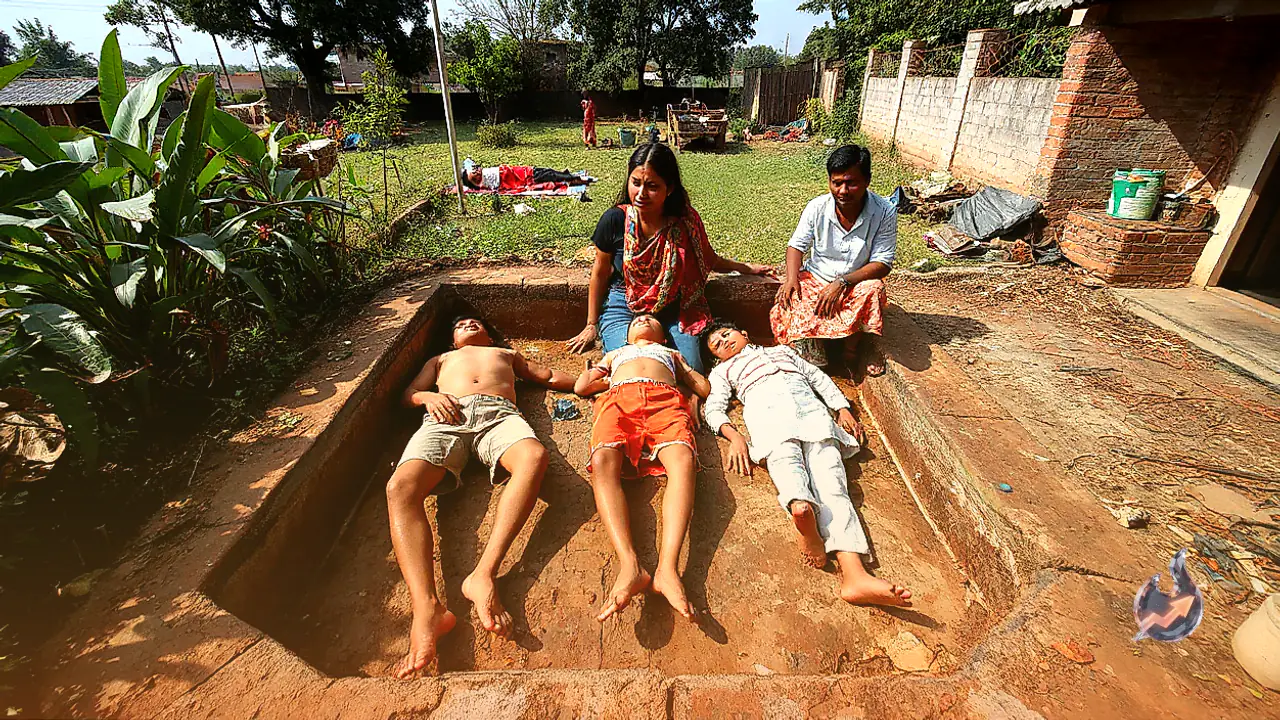

The Purani Basti area of Raipur, the capital city of Chhattisgarh, is well known for its rich heritage and deeply ingrained cultural beliefs. Among its prominent historical landmarks, Kankali Pond stands out as a site of profound faith and historical intrigue. Tracing its origins back to the 13th century, this ancient water body is closely intertwined with the devotion of Naga ascetics, the worship of Goddess Kali, and unique spiritual customs that persist to this day.
The Arrival of Naga Ascetics and Foundation of the Monastery
According to Ashish Sharma, the priest at the Mahakali Temple, the spiritual site was established by Naga monks. Initially residing in Badrikashram where they devoted themselves to Lord Shiva, these ascetics later embarked on Shakti sadhana (goddess worship). Carrying a sacred idol of the Goddess, they traveled to Raipur and founded the Kankali Math during the 13th century, establishing a dedicated space for ritual worship and intense ascetic practices.
Divine Visions, Excavation, and the Discovery of Shell Coins
Local lore holds that the Naga ascetics received a divine command in their dreams from the Goddess, urging them to excavate a large pond at the site. Lacking the financial resources required for such an ambitious undertaking, the monks nevertheless began digging the land out of faith. During the excavation, they uncovered a trove of ancient shell coins buried beneath the earth. These discovered coins provided the necessary funding to continue constructing both the temple and the monastery complex. Once the pond was filled with water, a sacred Shivling was reverently installed within it.
The Origins of the Name 'Kankali'
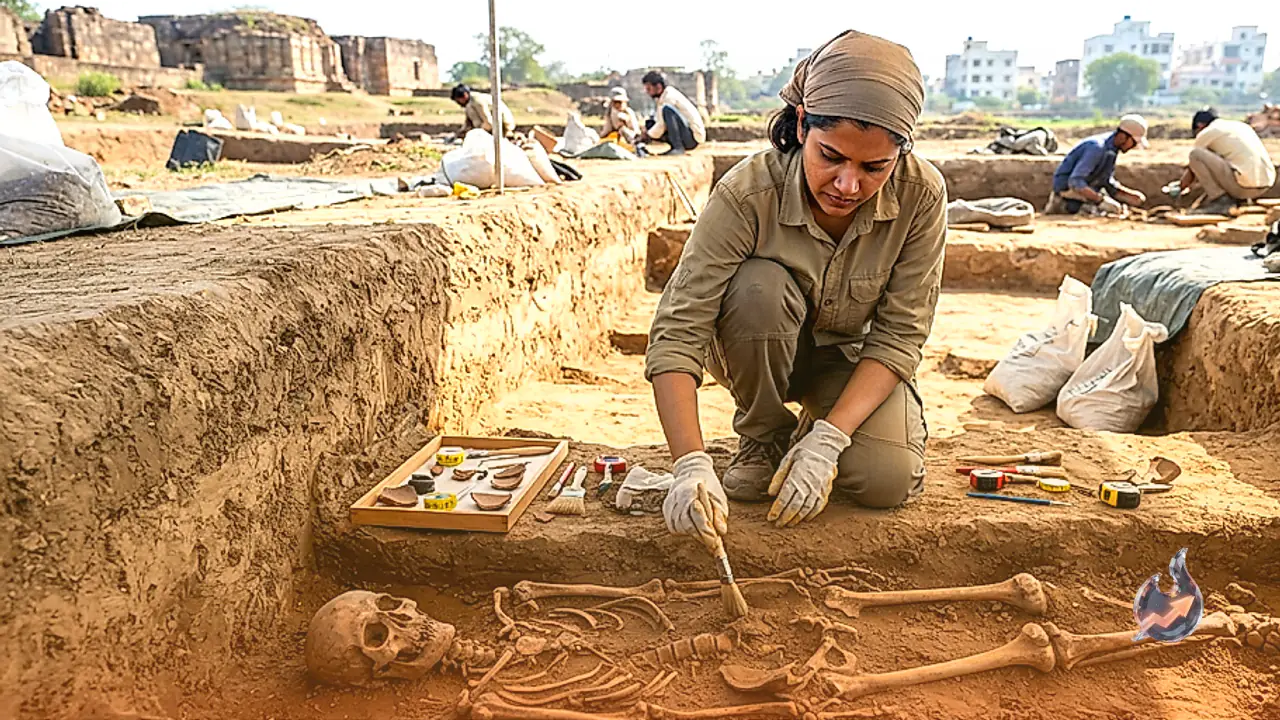
The naming of both the monastery and the pond carries a distinct historical context. In ancient times, the surrounding region was covered by dense wilderness, rocky terrain, and a cremation ground. As the site was being cleared and excavated, human skeletons were unearthed. Given the discovery of these skeletons alongside the ascetics' devotion to the Kali manifestation of the Divine Mother, the location came to be known as Kankali, giving the pond its enduring name.
Dussehra Traditions and Healing Bath Beliefs
Kankali Pond remains central to several annual religious rituals. According to local traditions, the Goddess visits her original seat once a year on the day of Dussehra, a custom that local devotees continue to observe faithfully every year. Additionally, a strong community belief persists that taking a bath in the waters of Kankali Pond helps cure various skin ailments. Driven by this belief in its therapeutic qualities, pilgrims and visitors from distant areas continue to travel to Raipur to take a dip in its waters.