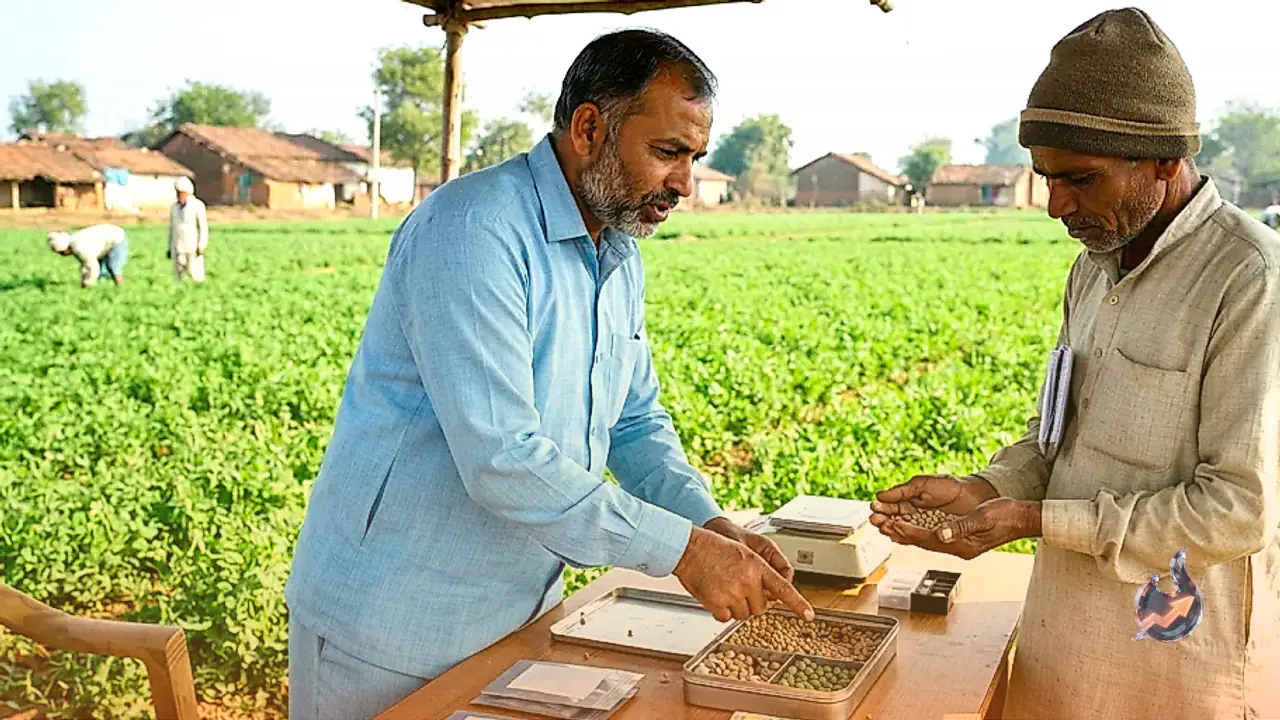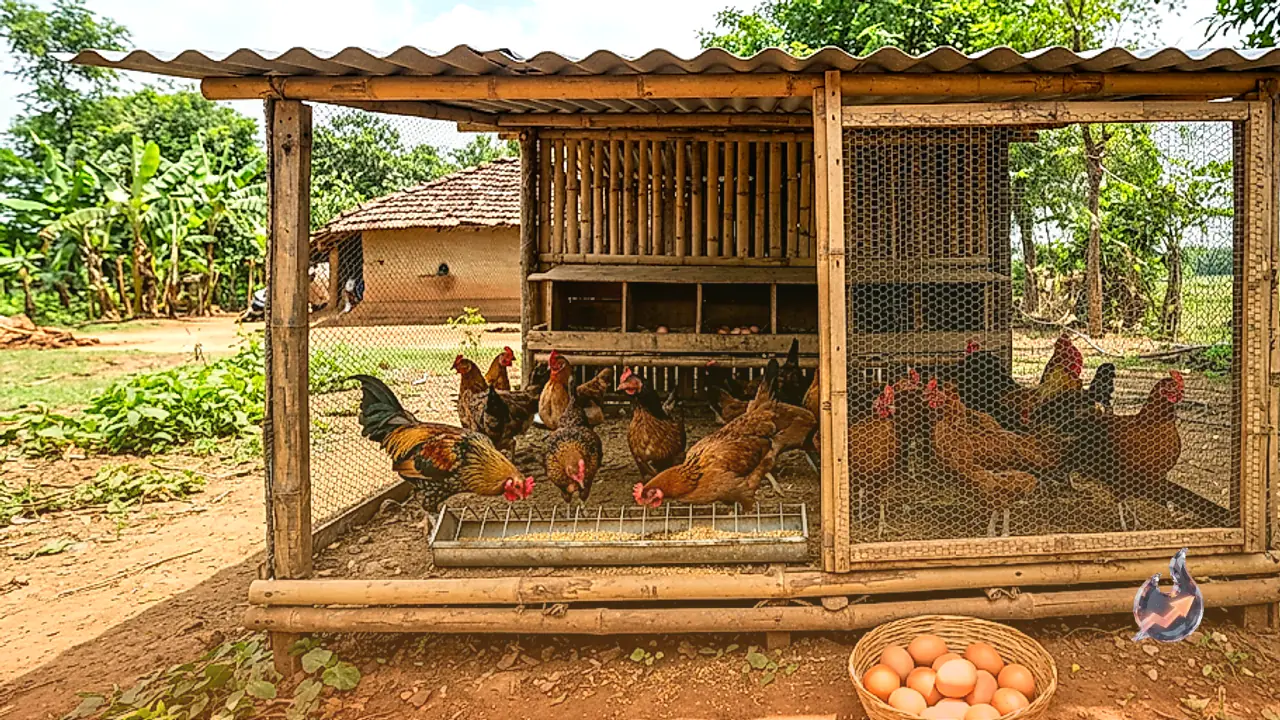

Poultry farming in the rural regions of Chhattisgarh is emerging as a reliable source of supplementary income for farmers and livestock rearers. However, traditional local chickens often suffer from a sluggish growth rate, leaving owners unable to secure the expected profits. Dr. Neetu Sonkar, a livestock production and management scientist at the Krishi Vigyan Kendra in Balod, points out that choosing superior breeds makes it entirely possible to achieve better earnings within limited spaces and constrained resources. She specifically highlights the Vanaraja and Gramapriya breeds as highly useful options for this purpose.
Across Balod and neighboring districts, the slow growth rate of local backyard chickens means it takes much longer to mature them, which restricts overall earnings for rearers. Adopting Vanaraja and Gramapriya as alternatives serves as a profitable pivot. Both of these specialized breeds boast strong growth rates and can be conveniently raised as backyard poultry in the vacant spaces surrounding rural homes.
Natural foraging provides essential nutrition
A standout characteristic of these breeds is their ability to forage freely in open environments, consuming grass, various vegetation, earthworms, and grubs to fulfill their dietary needs. Supplementing this natural foraging with a small amount of balanced feed accelerates their development even further. According to Dr. Sonkar, rearers can harvest roughly 100 to 150 eggs per year from Vanaraja and Gramapriya chickens. Beyond egg production, farmers can generate additional revenue by selling the fully grown birds in the market.
Four essential winter care practices
Maintaining the health and productivity of the poultry during the winter season requires paying close attention to their shelter. The shed must allow for adequate light and ventilation while providing strict protection against cold drafts. Tarpaulins, curtains, and jute sacks can be effectively utilized for this insulation. Furthermore, providing sufficient feed during winter is critical because the birds require extra energy to maintain their core body temperature amidst dropping temperatures.
By implementing the right breed selection, maintaining a balanced diet, and adapting shelter management to seasonal shifts, rural households can successfully transform backyard poultry rearing into a highly profitable enterprise.