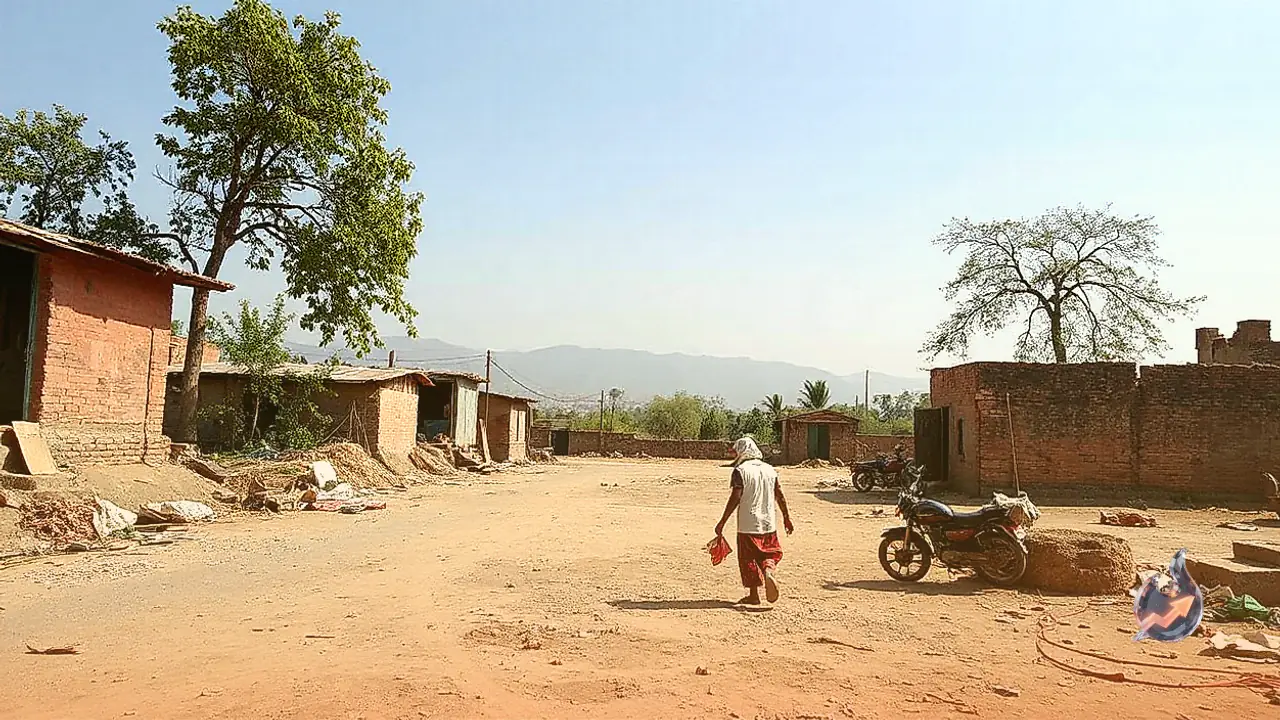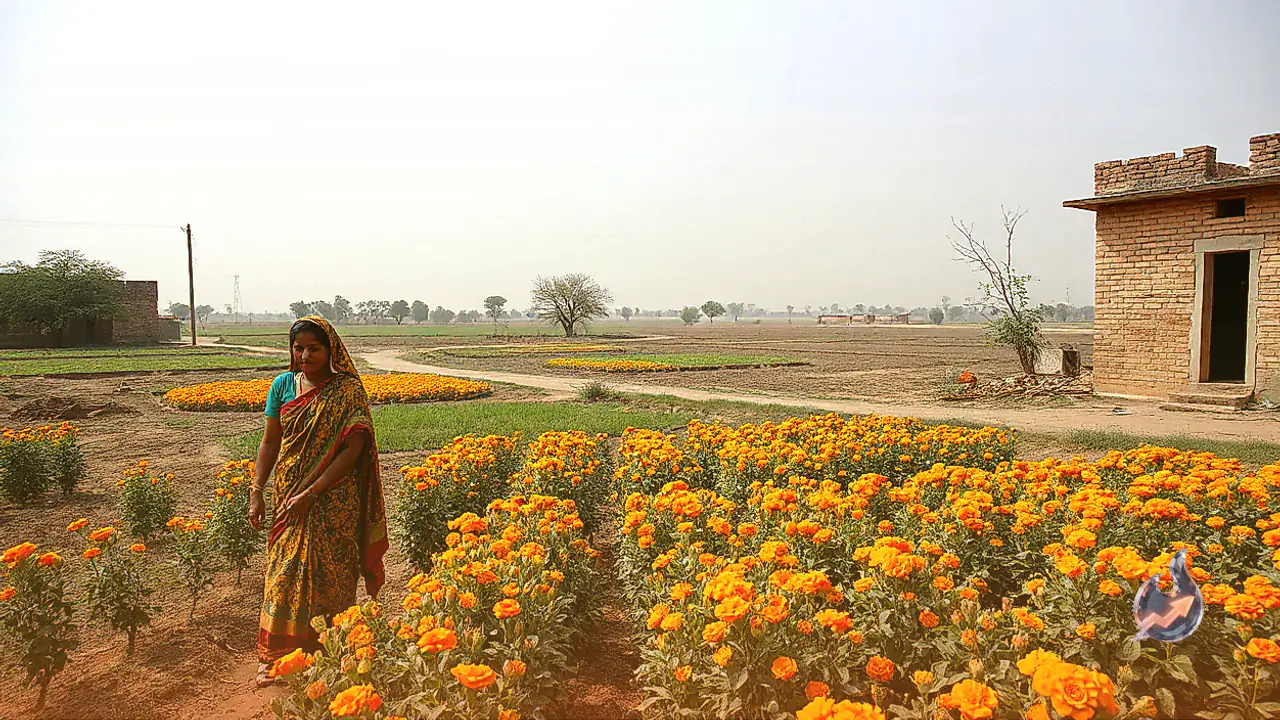


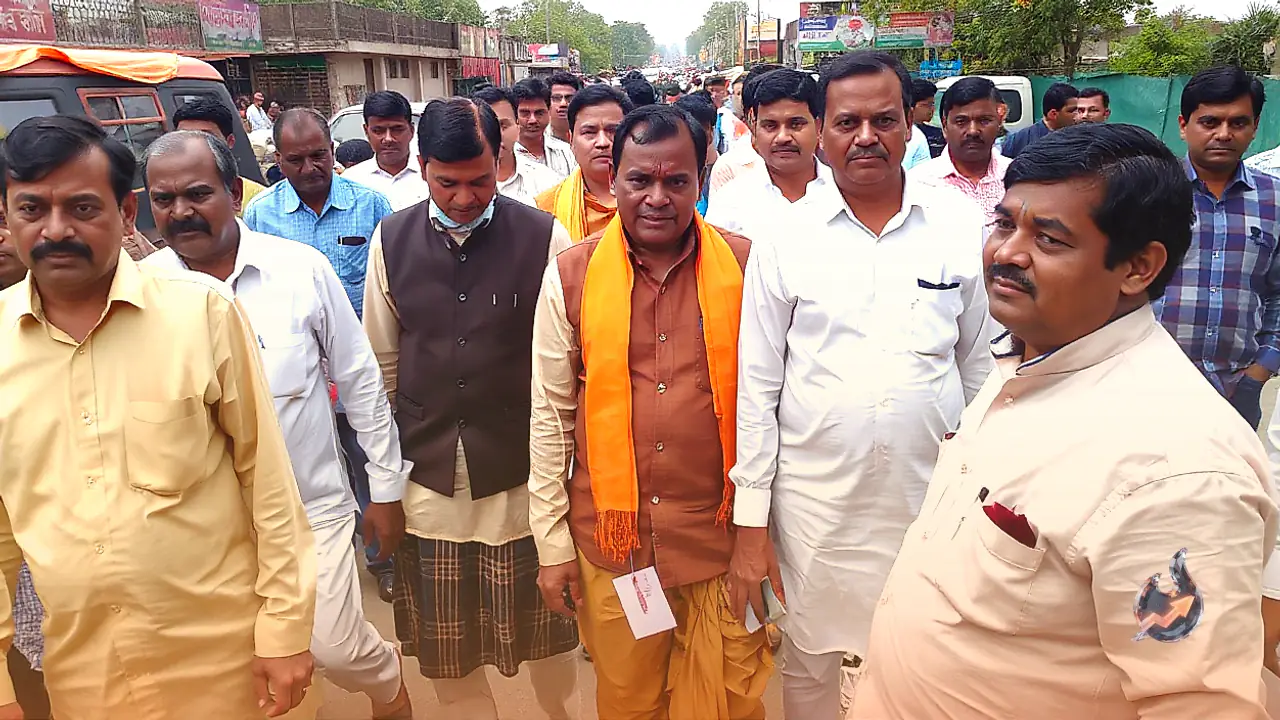

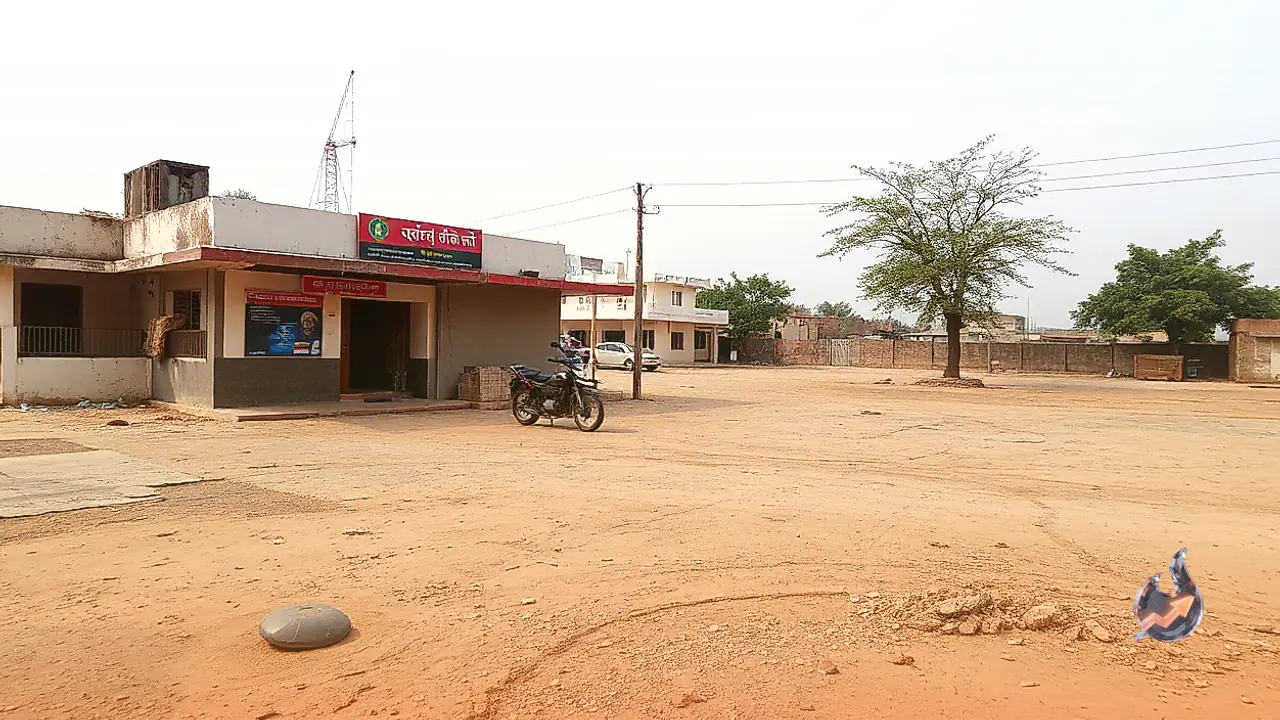














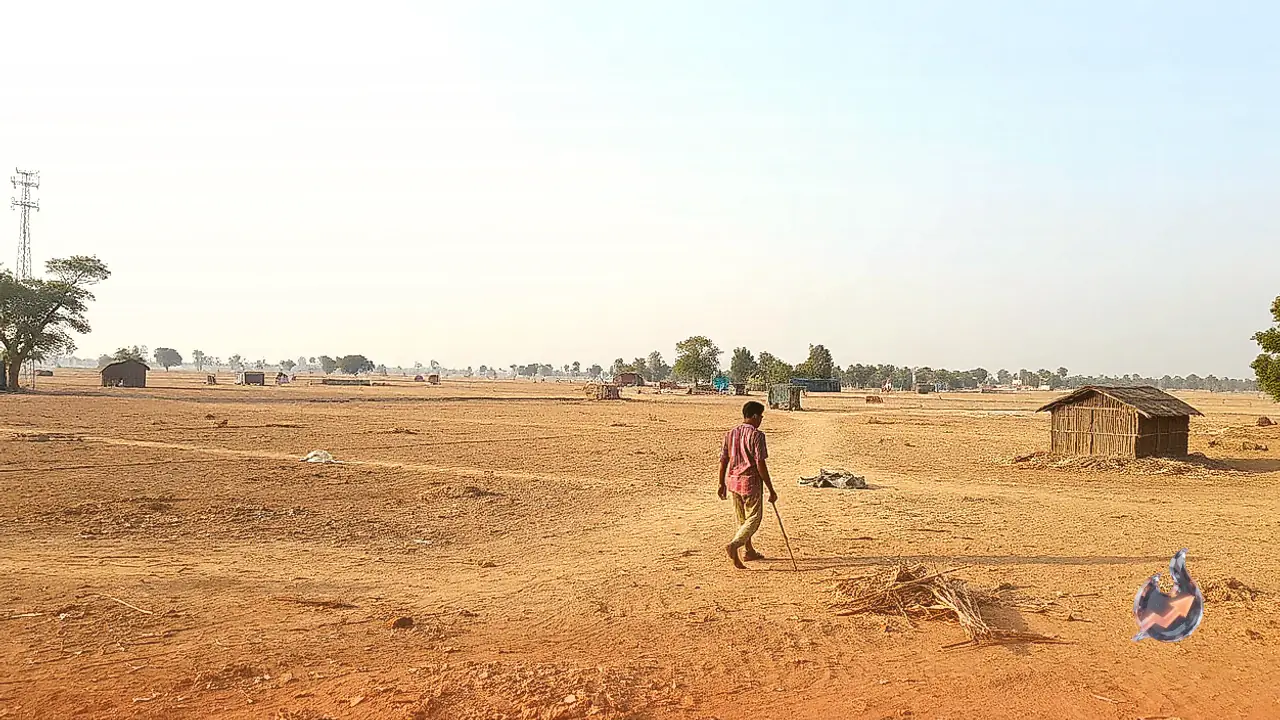

In Mohatra village within the Kota block of Bilaspur district, local women are crafting a path toward financial self-reliance using age-old bamboo weaving skills. Transforming raw bamboo into functional household utility items and decorative pieces has grown far beyond a cultural habit, becoming a dependable pillar of rural household stability. For village resident Ramabai Dhuliya, the trade serves as the primary engine for managing everyday domestic expenses while generating steady monthly savings of around 2,000 rupees.
Family Roots Strengthened Through Community Training
Bamboo craftsmanship has surrounded Ramabai Dhuliya since childhood, when she first observed and participated in her family's traditional occupation. Over decades, this inherited manual work turned into a lifelong livelihood. Her techniques gained refined direction when she attended dedicated training workshops organized by the village gathan samiti. This structured guidance allowed her to elevate product finish, understand contemporary household aesthetics, and master more intricate patterns, helping her items stand out among traditional handicraft buyers.
The Meticulous Method Behind Handwoven Bamboo
Turning raw timber into usable household goods demands continuous physical effort and careful material preparation. The process starts with selecting and procuring good-quality raw bamboo, which workers then saw into specific measurements and strip smooth. These sliced bamboo ribbons are steeped in water to enhance flexibility, preventing breakage when tightly bent into varied structural forms. Once pliable, the artisans manually interlace them to fashion handheld fans, baskets, caps, flower vases, traditional winnowing trays known as supa, and decorative containers.
Direct Household Sales and Sustainable Income
Marketing the finished collection does not require long travels to distant trade fairs. Pairs of popular utility goods such as decorative vases, supa, and tukni command prices between 400 and 700 rupees. Wholesale traders routinely visit Ramabai's residence in Mohatra to collect bulk consignments directly from the workspace. This consistent commercial arrangement allows her to cover regular family obligations and retain a predictable cushion of roughly 2,000 rupees in pure savings at the end of every monthly cycle.
Preserving Heritage Against Plastic Competition
Even though rapid market changes and machine-made synthetic substitutes have softened retail demand for bamboo items compared to earlier decades, Ramabai remains committed to her craft. She believes eco-friendly handmade wares still possess enduring practical value that conscious consumers will inevitably recognize. Sustained patronage from local buyers, she notes, remains essential not only to preserve this age-old manual tradition but also to protect the independent livelihoods of village women who depend on it daily.