
















In the cultural landscape of Chhattisgarh, festive celebrations are deeply anchored in agriculture, seasonal rhythms, and reverence for nature. Diwali here represents far more than the customary illumination of earthen lamps and prayers offered to Goddess Lakshmi; it also brings forward ancient community practices intertwined with agrarian heritage. Among the most cherished of these customs is the hanging of Chirai Chunia, an ornamental craft woven entirely from the golden ears of newly harvested paddy crops. For generations, households have observed the ritual of placing this sacred craft on their main entryways during the festival of lights. The bustling thoroughfares of Bilaspur are presently alive with vibrant displays of this folk art, where rural artisans have gathered to present their handcrafted pieces to eager city residents.
The Agrarian Symbolism of Fresh Harvest on Doorways
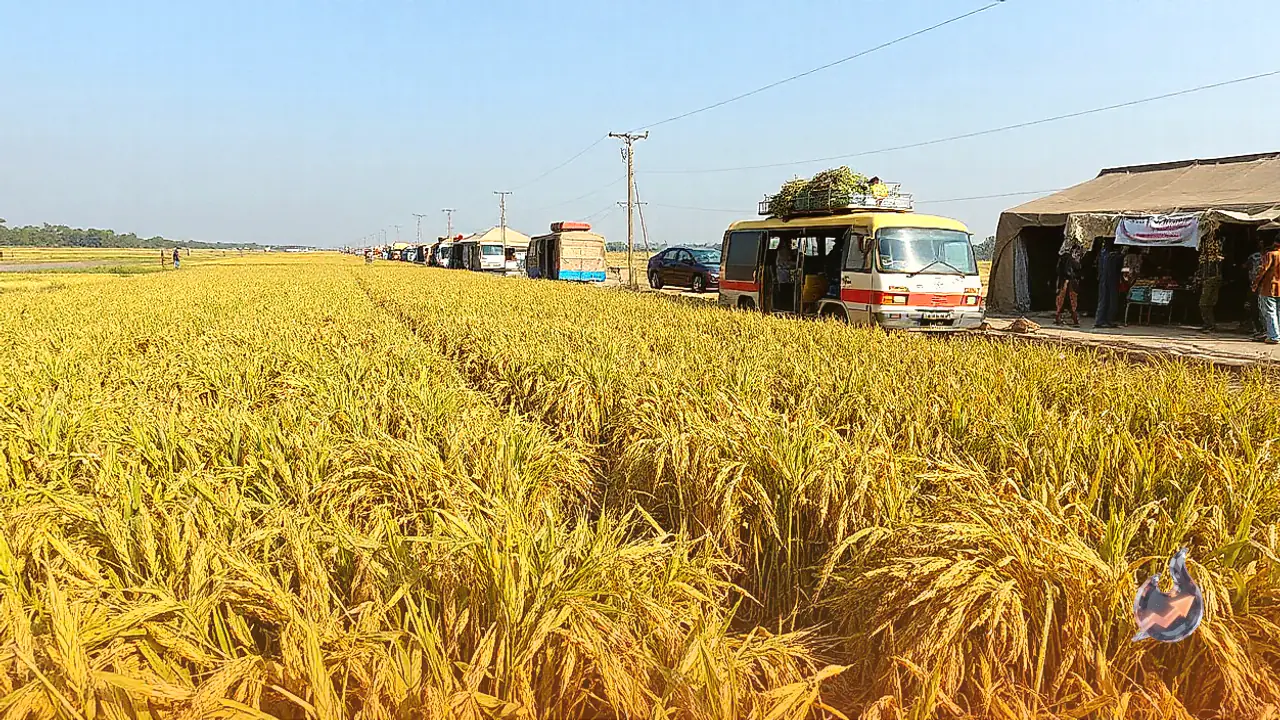
What distinguishes Chirai Chunia is its direct connection to the harvest season. As soon as the paddy ripens in the countryside, fresh ears of grain are gathered to weave these delicate ornaments. According to regional beliefs, newly harvested grain embodies Goddess Annapurna, signifying prosperity, abundance, and domestic contentment. On Diwali evening, families perform traditional religious rituals, worshipping the Chirai Chunia alongside Goddess Lakshmi and Lord Ganesha before securing it prominently above the primary front entrance. People hold a steadfast faith that displaying these golden sheaves keeps the home blessed with food grain throughout the year, warding off scarcity while inviting positive household energy.
Devkinandan Chowk Bustles with Festive Shoppers
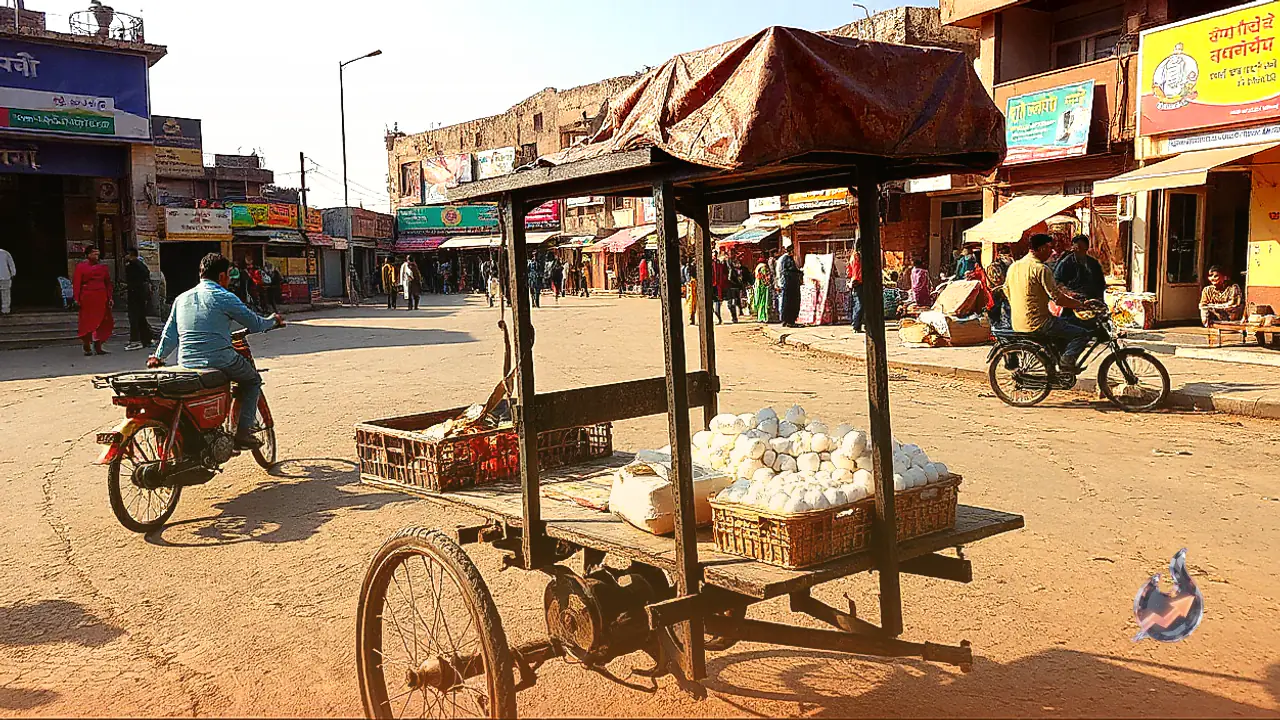
The cultural momentum is visibly centered at Bilaspur's Devkinandan Chowk, where numerous roadside stalls have been set up with diverse assortments of Chirai Chunia. Displayed in an array of patterns, sizes, and intricate knots, the items are capturing the attention of shoppers browsing the festive markets. Many purchase them to honor long-held domestic customs passed down through generations, while others seek them out specifically as traditional emblems of peace and affluence for newly built residences. Beyond sustaining heritage, this craft plays a critical economic role by providing direct seasonal livelihood opportunities to rural families who journey into urban centers to sell their handiwork directly to consumers.
Devotion and Customary Observance: Sangeeta Pandey
Among the shoppers selecting pieces at the market, Sangeeta Pandey explained that purchasing Chirai Chunia is an indispensable annual ritual for her household on Diwali. She shared that the craft is first formally sanctified during the evening puja ceremony before being affixed above the entrance. For her family, this practice is not treated as casual home decoration, but as an essential spiritual custom deeply rooted in regional identity. She observed that displaying the harvested ears serves as an auspicious welcome for wealth and domestic well-being, keeping age-old traditions active across modern households.
Intricate Craftsmanship Commences Right After Dussehra
The intensive labor required to produce these pieces begins weeks in advance, right as the crops mature across rural fields. Once the Dussehra festival concludes, farming families across Mungeli district begin sorting undamaged stalks to hand-weave each item. Ashish Lahre, an artisan who traveled from a village in Mungeli to sell in Bilaspur, explained that crafting each ornament demands exceptional precision and patience. Fabricating a single floral formation takes roughly half an hour of focused handwork, as the dried stalks must be braided and knotted without dislodging the grain. Beyond household decoration, the design also holds ecological significance, as hanging grains provide sustenance for birds visiting homes, a gesture traditionally viewed as an act of piety and goodwill.
Mungeli Group Brings 5,000 Pieces to Bilaspur
A collective of around 20 artisans from Mungeli district has traveled together to set up their selling point at Devkinandan Chowk. Working in close collaboration over several weeks, the group produced approximately 5,000 units of Chirai Chunia to meet the festive demand. Ashish Lahre noted that the earnings generated from these sales carry immense significance for their domestic budgets, helping cover essential holiday purchases, new clothes, and household provisions. He expressed deep gratitude for the encouragement and patronage received from urban customers, considering public appreciation the most meaningful reward for their intensive physical labor.
Accessible Pricing Ranging from Rs 20 to Rs 100
To ensure accessibility for all shoppers, the artisans have established tiered pricing reflecting size and structural complexity. Standard units are offered starting from Rs 20, progressing through Rs 50 and Rs 60, up to Rs 100 for elaborate multi-tiered creations. The affordable pricing allows buyers from varied income backgrounds to participate in the tradition, choosing either modest single-strand pieces or heavier, ornate showpieces suited to larger doorways.
Stylistic Innovations: High Demand for Haar and Paan Cut
While the craft remains faithful to its folk roots, artisans have introduced contemporary creative motifs to capture consumer interest. Nand Kumar Patre, an artisan who has been practicing the craft for the past 5 to 7 years, stated that he innovates new geometric forms every season to match changing decor tastes. Current market selections feature distinct styles including Haar (garland shape), Dil Cut (heart motif), Paan Cut (betel leaf design), and Double Manzil (two-tiered architecture). Each design requires different weaving techniques and pricing considerations. Among these, the Paan Cut and Haar formats have emerged as top favorites among shoppers looking for eye-catching festive arrangements.
Sustaining Folk Heritage while Bolstering Rural Livelihoods
For rural households across Chhattisgarh, the seasonal enterprise of fabricating Chirai Chunia delivers vital supplementary income during one of the most commercially active periods of the year. The journey that starts in rural paddy fields shortly after Dussehra culminates in bustling city squares in the final countdown to Diwali. Sellers at Devkinandan Chowk remain optimistic that foot traffic and overall turnover will climb significantly as Lakshmi Puja approaches. Through this dynamic marketplace, Chirai Chunia succeeds in two critical ways: preserving the agrarian soul of Chhattisgarh's folk heritage while delivering dignity, independence, and vital income to village artisans.