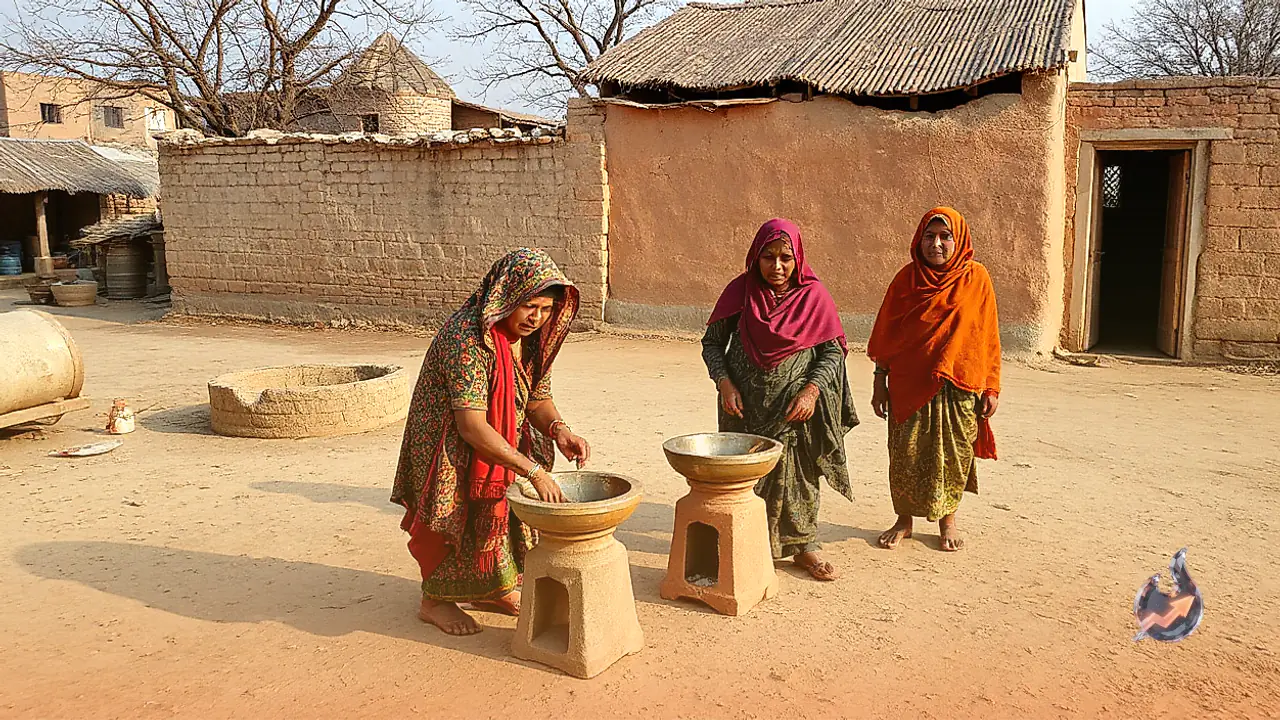





















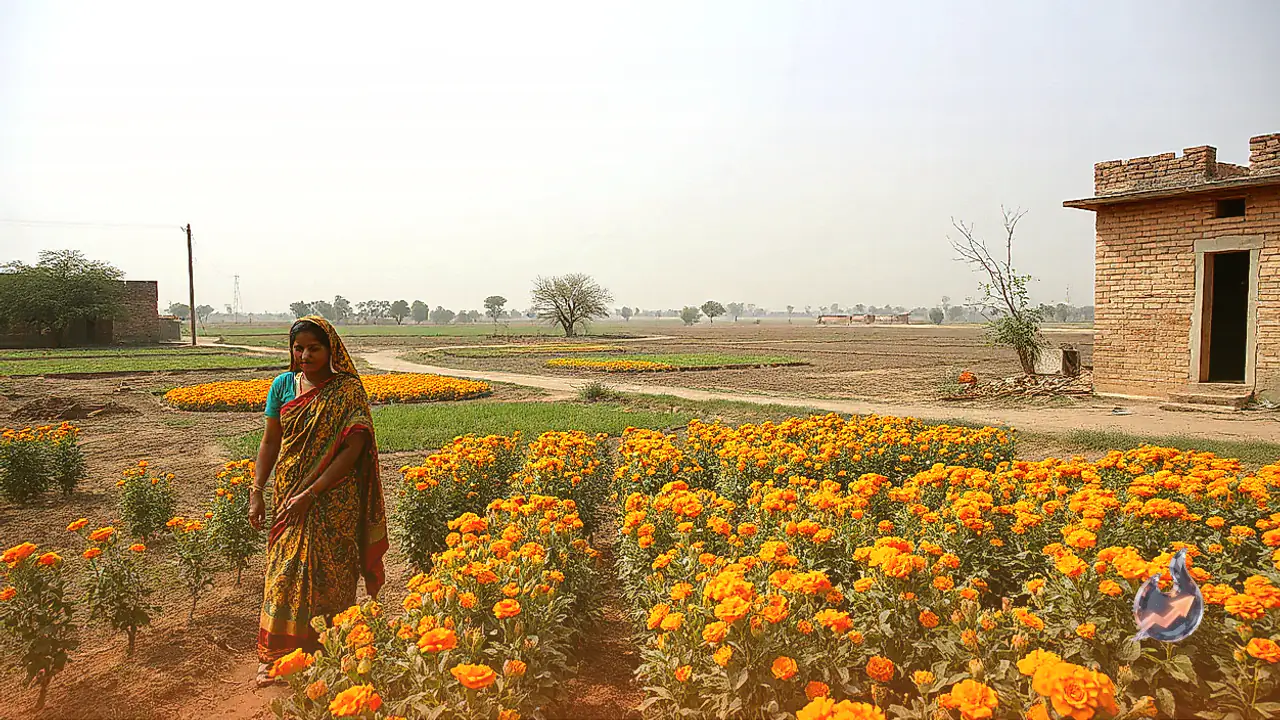

The arrival of festive occasions consistently drives a sharp surge in the market demand for fresh decorative flowers across rural and urban centers. Fresh marigold blooms are widely utilized for decorating households, shops, business establishments, and temple complexes, as well as conducting traditional religious rituals and ceremonies. Capitalizing on this seasonal spike in commercial demand, two enterprising women farmers from Chhattisgarh's Surguja district have stepped forward to transform their livelihood. Chanchal Singh and Chandni Mandal, residents of Sakalo village, have taken up commercial marigold farming with institutional financial backing, laying the groundwork for substantial household income generation.
Institutional Credit Paves the Way for Self-Employment
Rather than restricting their agricultural efforts to conventional subsistence cropping, Chanchal Singh and Chandni Mandal actively sought an avenue that could generate steady and predictable commercial revenue. The Bihan scheme, designed to foster rural women's entrepreneurship and facilitate micro-credit access, provided the necessary launchpad for their enterprise. By securing credit through this initiative, both farmers managed to finance crucial cultivation inputs, field preparation, and high-quality floral crop development. The financial assistance allowed them to establish their agricultural venture without relying on informal debt networks or risking financial vulnerability.
Tapping into Peak Festive Demand for Higher Margins
Market consumption of marigolds spikes dramatically around Diwali celebrations, as residential properties, corporate spaces, and devotional gatherings require substantial volumes of fresh garlands and loose petals. Temples and community worship sites also record heightened procurement levels during this period. For Chanchal Singh and Chandni Mandal, this surge in commercial demand represents an optimal harvest window. By bringing their freshly picked crop to local market hubs at the peak of the festival calendar, both farmers expect to capture premium pricing, cover their operating expenses comfortably, and secure dependable margins for their families.
A Model of Economic Self-Reliance in Rural Communities
The determined initiative undertaken by Chanchal Singh and Chandni Mandal serves as a practical demonstration of rural self-reliance and grassroots women empowerment. Their focused dedication to diversified commercial horticulture shows that government livelihood schemes, when effectively accessed, can create durable pathways out of financial dependency. With timely credit availability, methodical agricultural practices, and proximity to active commodity markets, floriculture emerges as an attractive commercial enterprise for smallholders across rural landscapes, proving that targeted self-employment initiatives can drive genuine economic progress.