




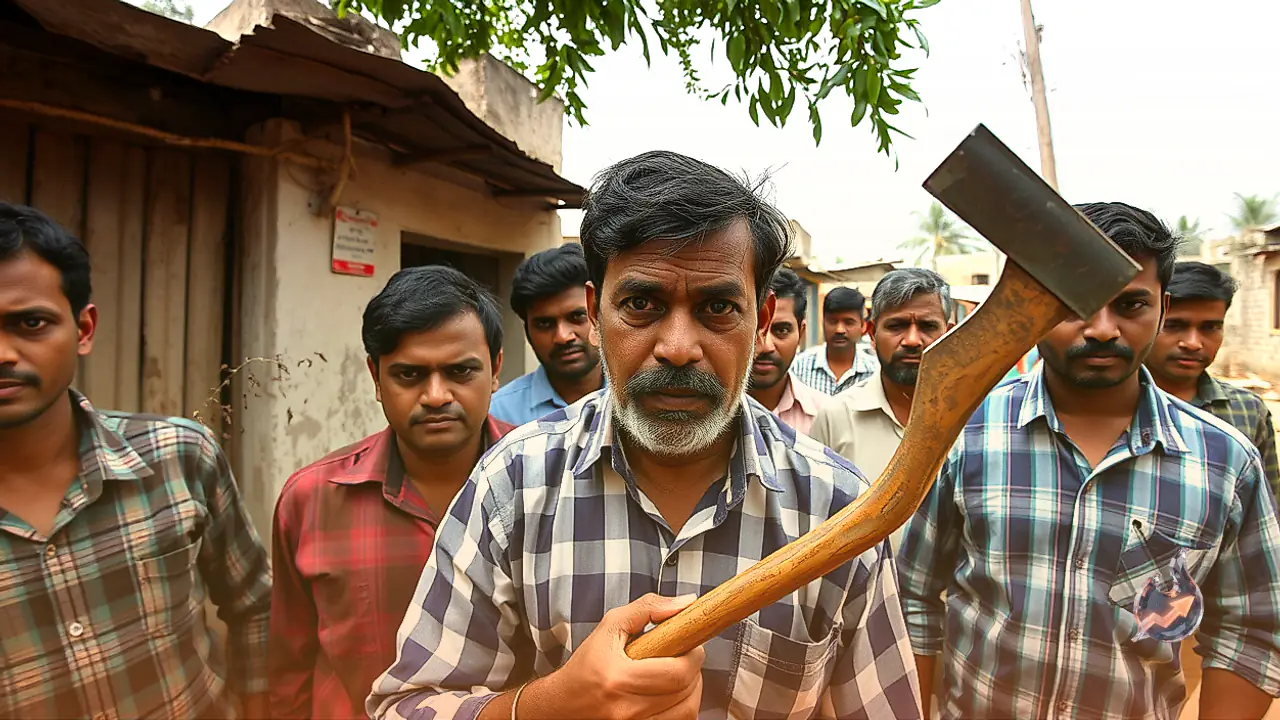
















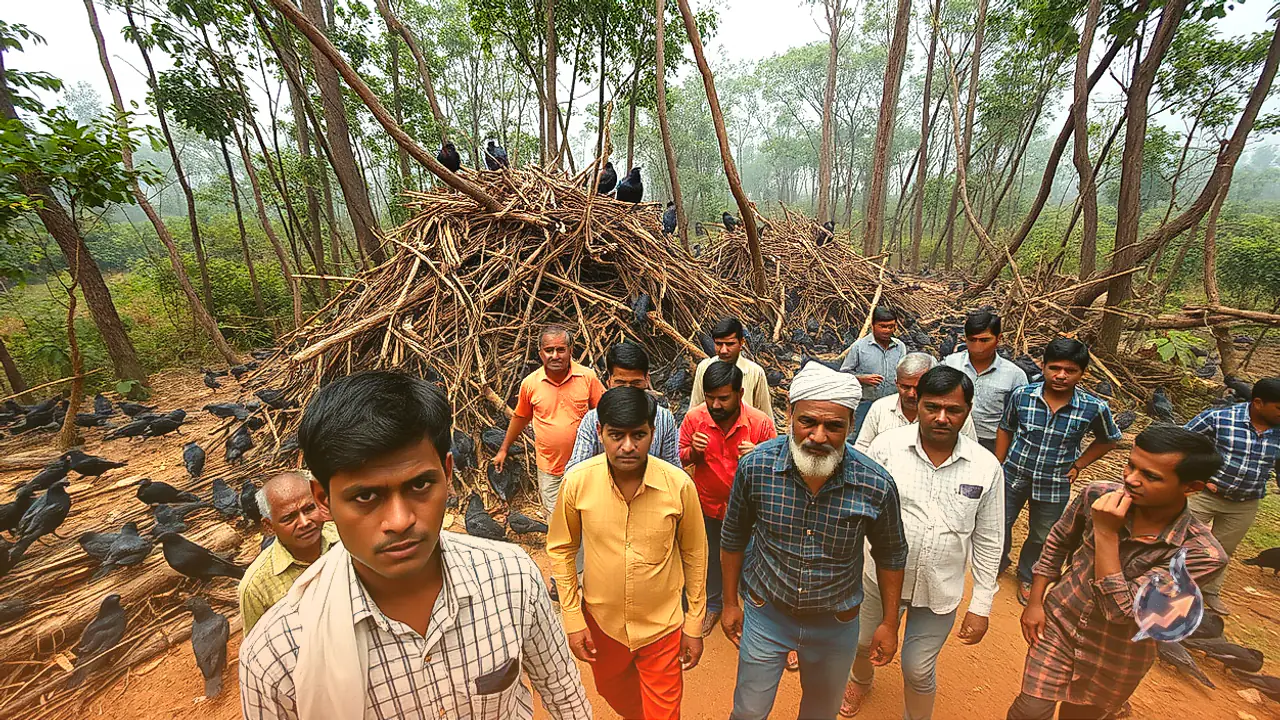

A noticeable ecological shift is unfolding across the rural belts of Ambikapur, where the once ubiquitous crow population is facing a steep decline. Local resident Saleema Minj stated that these birds were previously seen in abundance throughout the village and its nearby localities, but their numbers have now dwindled considerably. In numerous pockets, only a handful of crows can be spotted today, reflecting deeper environmental changes taking place across the region.
Loss of Natural Habitat Due to Rapid Deforestation
The relentless felling of trees is identified as a primary contributor to this steady fall in crow numbers. In earlier years, dense forest patches and mature trees provided a reliable natural sanctuary for avian species. The clearing of green cover has sharply contracted the spaces where birds could nest and seek sustenance. Deprived of their nesting grounds and food sources, local bird populations are finding it increasingly hard to sustain themselves in their native surroundings.
Toxic Agricultural Sprays Harming Avian Reproduction
Heightened reliance on synthetic pesticides to maximize the yields of crops and vegetables has introduced another layer of vulnerability. Saleema Minj raised concerns that these pervasive chemical treatments seep into the natural food chain and harm local birdlife. Such toxic exposure is suspected of disrupting the reproductive cycles of crows, directly contributing to the downward trend in their population over time.
Push for Afforestation and Organic Farming Practices
To halt the disappearance of crows and protect other regional birds, an earnest appeal has been made for community afforestation drives. Experts and residents emphasize transitioning toward organic agricultural practices and adopting far less harmful pest control methods. Furthermore, ensuring consistent supplies of grain and water in human settlements can provide vital relief and help preserve local bird habitats across rural communities.