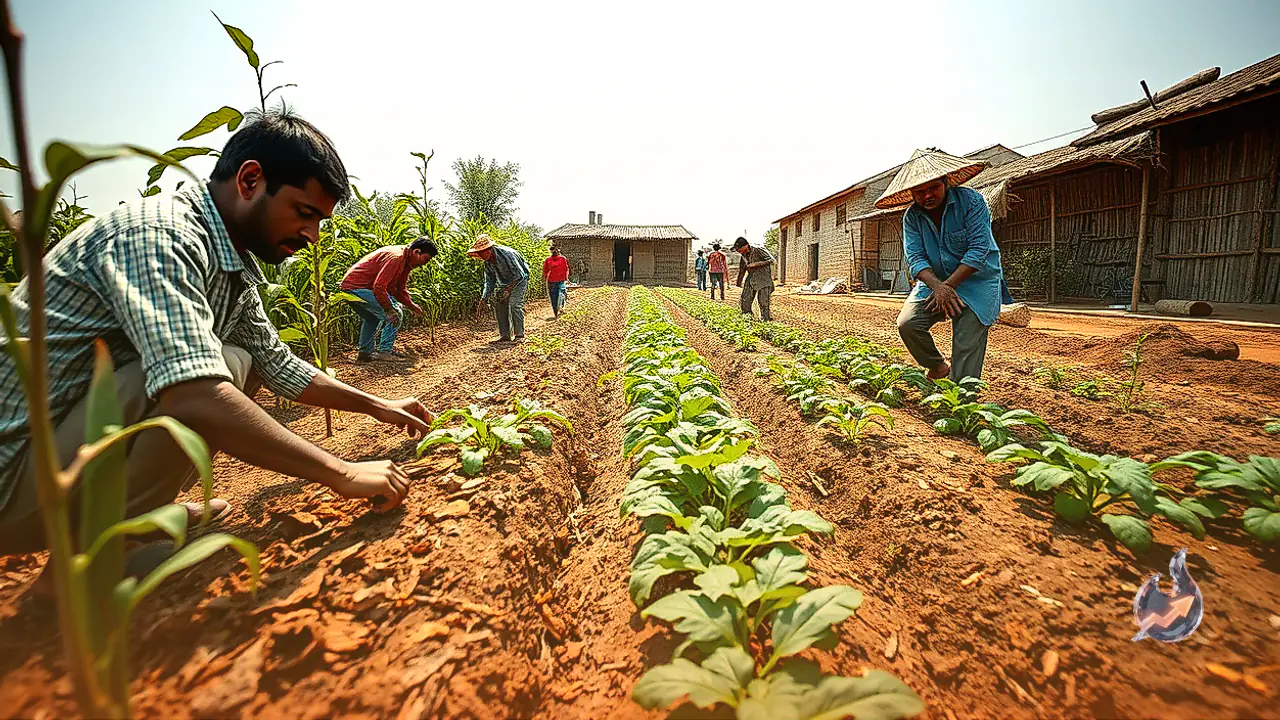























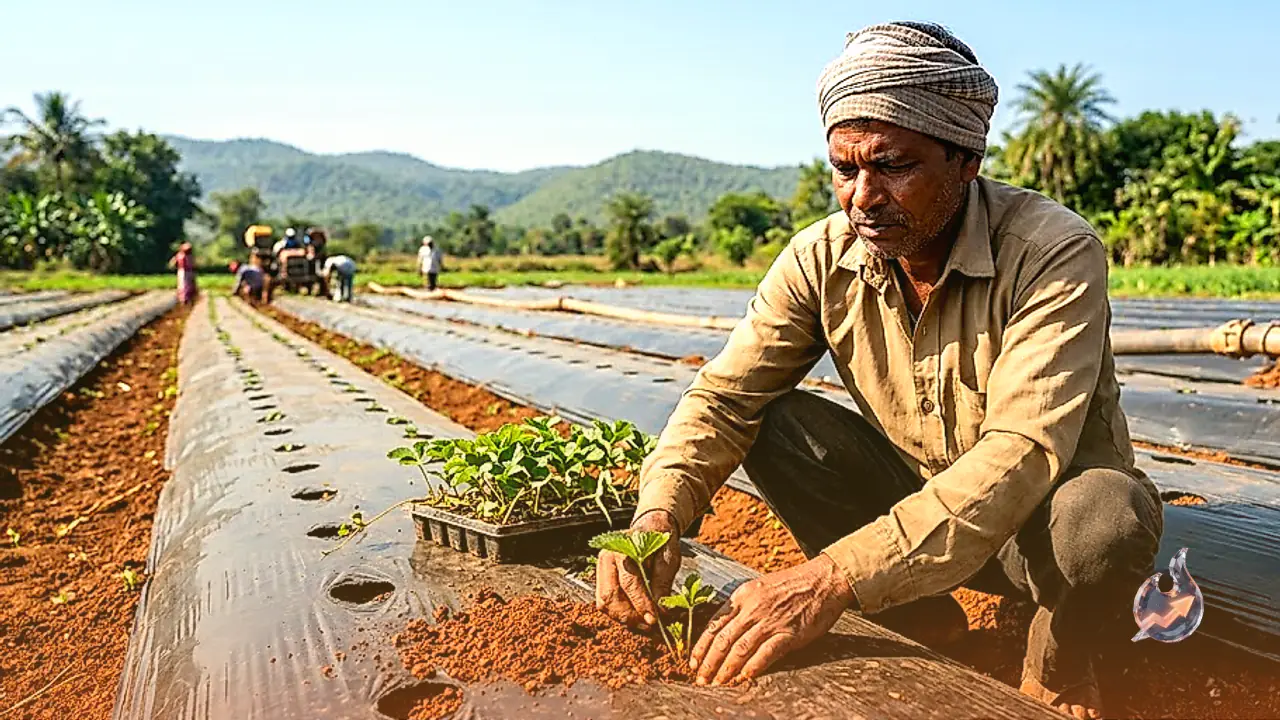

Commercial strawberry cultivation is expanding on a substantial scale across the Silphili area of Surguja district in Chhattisgarh. Agricultural expert Rakesh Rajwade indicates that the current period marks a vital window for planting this high-value horticultural crop. As September winds down and October sets in, field preparation and sapling installation need to begin promptly. Farmers who complete planting between October 1 and October 5 can expect initial fruit harvesting to commence within approximately 45 days.
Plant Population, Yield Estimates, and Gross Revenue
An acre of land accommodates roughly 5,000 strawberry saplings under standard commercial spacing guidelines. Factoring in an average yield of 500 grams per plant, total production reaches around 2,500 kilograms per acre. In optimal growing conditions, individual plant yields can climb between 500 grams and 750 grams. Given that opening-season market rates remain elevated, selling 2,500 kilograms at an assumed baseline rate of ₹200 per kilogram translates to gross revenue of nearly ₹5 lakh. Net realized returns will naturally vary depending on prevailing market rates, fruit quality, total output, and operating expenses.
Input Costs and Expected Net Margin
Cultivating strawberries requires a clear capital budget covering nursery stock, plastic mulch film, fertilization, irrigation, and field maintenance. Rakesh Rajwade estimates that overall expenses typically range between ₹1 lakh and ₹1.5 lakh per acre. Even after deducting these operational investments, growers retain a substantial net margin compared to conventional grain cropping.
Field Preparation and Bed Layout Specifications
Soil bed configuration forms the backbone of strawberry farming, where raised beds and plastic mulching sheet installation play a decisive protective role. Agronomic guidelines recommend maintaining a distance of 30 to 45 centimeters between individual plants. Simultaneously, row-to-row or bed-to-bed spacing should measure between 90 and 120 centimeters to facilitate aeration, sunlight exposure, and unhindered movement during maintenance and harvest.
Fertilizer Schedule and Variety Selection
Balanced plant nutrition directly influences berry sweetness, size, and shelf life. Soil needs must be met through the strategic application of farmyard manure, vermicompost, bone meal, and vital micronutrients, accompanied by disciplined management of primary NPK fertilizers. Taking into account the regional climate of Surguja, the Winter Dawn variety has emerged as an exceptionally productive choice, fueling wide-scale cultivation across Silphili.
Harvest Timelines and Market Readiness
Saplings planted during early October start bearing harvestable fruit from the latter half of November or the opening week of December, with picking continuing into March and April under favorable conditions. Ripe strawberries require harvesting every alternate day to prevent damage or spoilage, making pre-arranged cold chain and transport access essential for local growers aiming to tap nearby markets quickly.