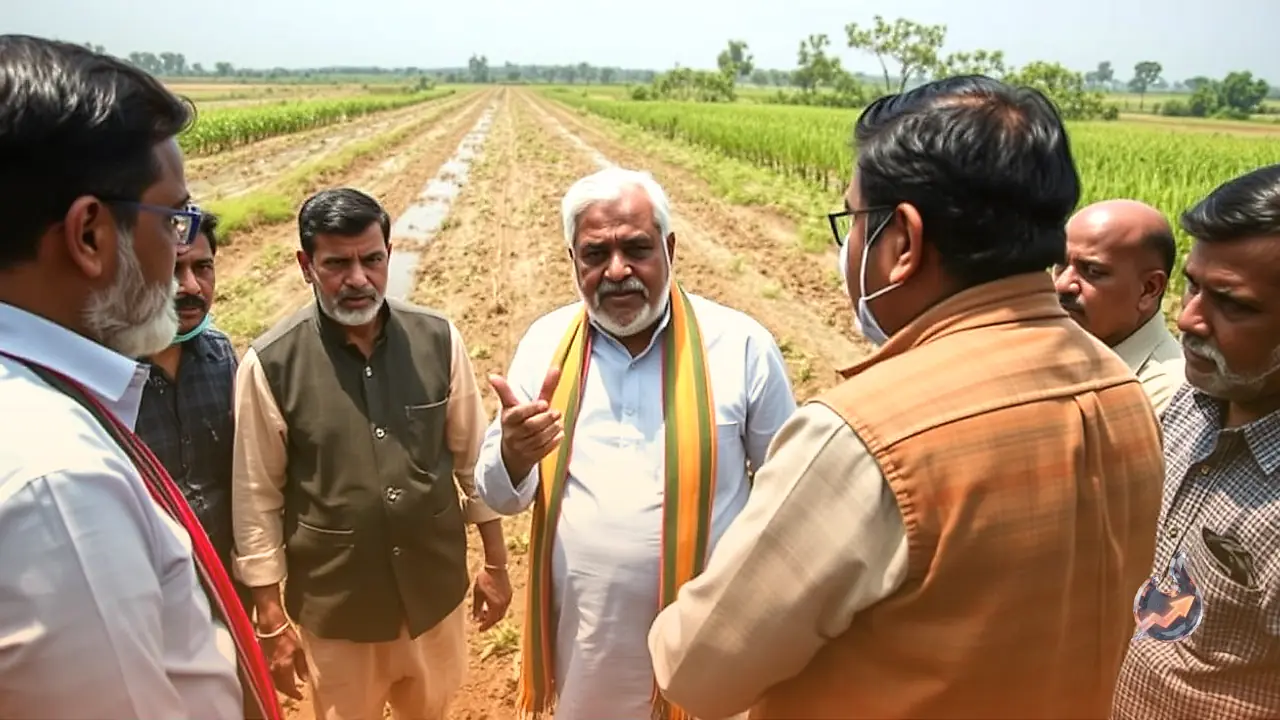




















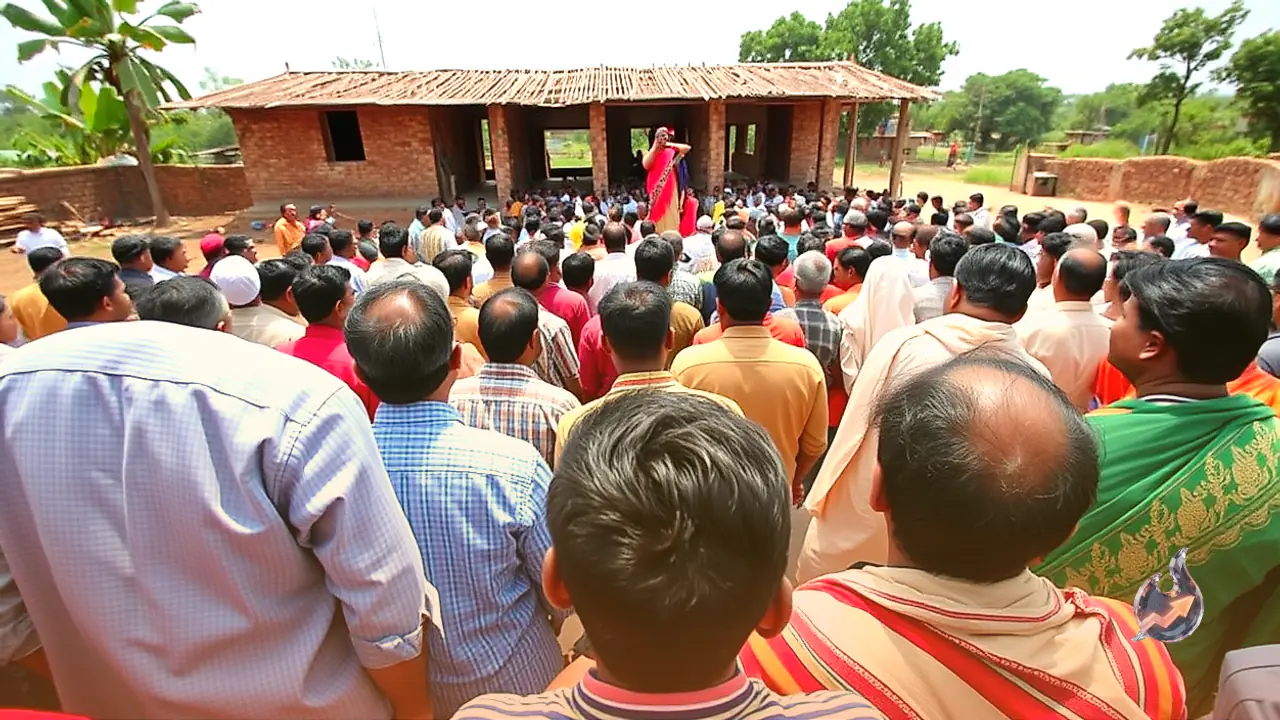

Tensions surrounding tribal traditions and faith practices have resurfaced in Chhattisgarh's southern belt as a village council in Sukma district took a rigid stance over local land rights. During an extraordinary gathering held in Punpalli village, residents resolved that community-owned plots will not be allocated to Christian believers or converts for any faith-oriented functions. A formal public notice erected right at the settlement's entrance declared that not a single inch of communal property would be conceded for such practices.
Restrictions on Burials, Gatherings, and Faith Healing
The collective decision explicitly prohibits allocating ground for erecting church buildings, burying deceased community members, hosting prayer assemblies, or conducting faith healing sessions. Furthermore, the local administration moved to curb outside religious influences by restricting visits from pastors and faith preachers. The council decided to install public notifications explicitly barring the entry of evangelical visitors seeking conversions or engaging in sectarian propagation inside the settlement.
Invocation of Constitutional Provisions and PESA Legislation
Explaining the rationale behind this stringent action, Janpad member Madkam Bhima highlighted that the resolution draws its authority directly from protective constitutional safeguards. Specifically, the resolution cites the Fifth Schedule alongside Article 244(1) of the Indian Constitution, both of which govern the administrative autonomy of Scheduled Tribes and Scheduled Areas. Additionally, the council invoked the provisions of the Panchayat Extension to Scheduled Areas Act of 1996 along with Chhattisgarh state's own administrative rules framed under it.
Statutory Limits and Past Precedents in Bastar
Because Punpalli is designated as a protected Scheduled Area, PESA statutes empower village assemblies to defend traditional tribal heritage, conventions, and customary practices against external disruption. However, legal observers point out an underlying ambiguity in the statute regarding whether customary empowerment permits a council to bar individuals from public resources solely on grounds of personal religious beliefs.
Such friction over sectarian identities has previously troubled the wider Bastar region. A prominent flashpoint unfolded in January 2025, when a Christian tribal household faced resistance while attempting to lay a deceased relative to rest within their ancestral locality. That matter escalated to the Supreme Court of India, which had to intervene directly to resolve the deadlock.
Administrative Review Underway
The district machinery has taken note of the emerging development and placed the area under observation. State officials confirmed that the text of the Punpalli council resolution will undergo thorough legal scrutiny. According to an administrative official, if any directive within the resolution is found to infringe upon statutory frameworks or constitutional guarantees, appropriate legal action will be initiated in accordance with the law.