




















In the Surguja region of Chhattisgarh, indigenous communities and rural residents have once again brought their ancestral heritage to life through the sacred celebrations of Karma Puja. Observed annually on the eleventh day, or Ekadashi, of the month of Bhado, this festival serves as an invocation for a rich harvest, enduring peace, and familial prosperity. A central aspect of this observance is the rigorous waterless fast observed by young, unmarried women who devote their day to prayer and spiritual discipline.
Community Unity and Reverence for the Agricultural Cycle
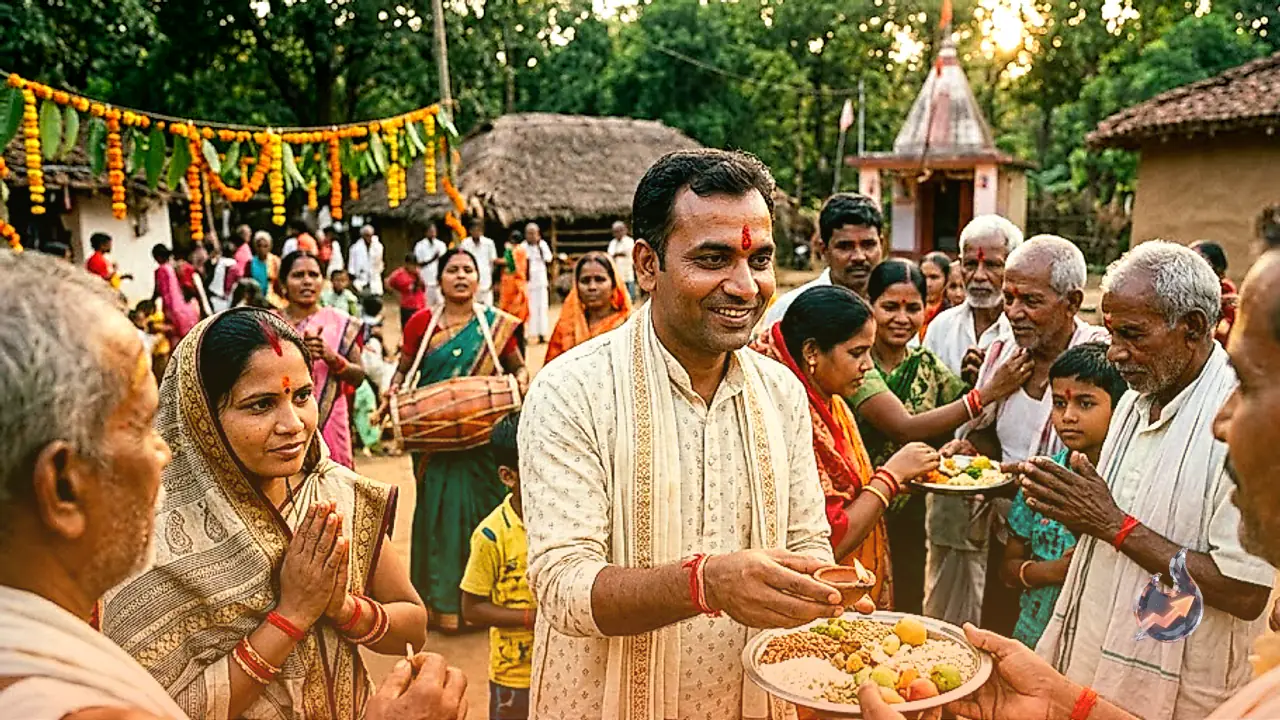
According to local observer Sikandar Prajapati, the rituals of Karma Puja represent a long-standing tradition handed down across countless generations. Falling precisely on the Ekadashi tithi of Bhado every year, the festival brings together diverse communities. People belonging to the Manjhi, Majhwar, Kanwar, Kumhar, and Gond communities, along with other sections of Hindu society, unite in large numbers to conduct the ceremonies. The festival remains deeply rooted in agrarian life and nature worship. Local beliefs hold that worshipping the deity Karma Dev secures a thriving paddy crop, promotes community harmony, and safeguards the village against adversity. It is viewed as an enduring cultural legacy anchored in collective faith. Once the evening rituals draw to a close, fasting participants conclude their vows and distribute holy offerings among worshippers across the village.
Strict Fasting Disciplines Observed from Dawn
Unmarried girls bear the primary devotional responsibilities of the festival by observing a strict fast without food or water from early morning onward. They refrain completely from touching food or liquids throughout the daylight hours. As dusk falls, participants perform ritual ablutions and bathing ceremonies, setting the stage for the formal worship proceedings that unfold through the evening.
Preserving Sanctity While Gathering the Sacred Branch
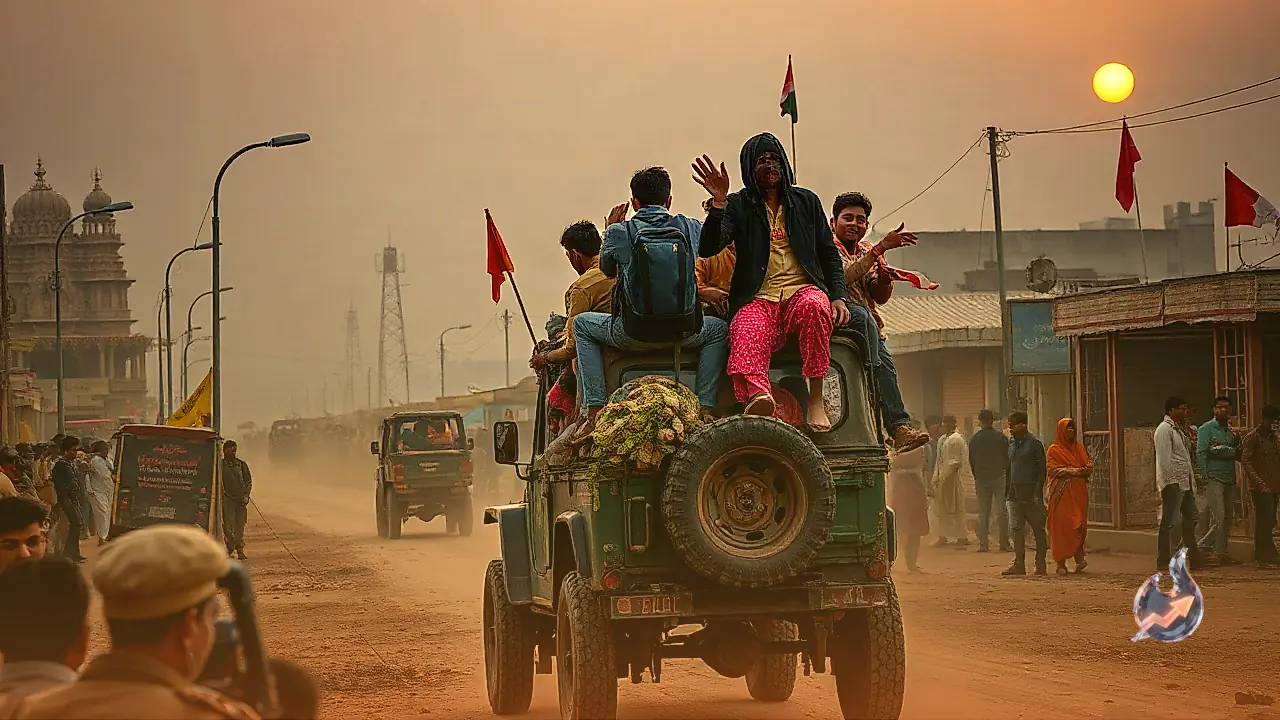
Between 7:00 PM and 8:00 PM in the evening, groups head into nearby forest areas to retrieve a branch of the sacred Karma tree. Specific customs govern this retrieval: the branch must never be chopped down using metallic or sharp implements, but rather broken off reverently by hand. Throughout the journey back to the settlement, the branch must never touch the ground. Bearing it respectfully upon their shoulders, the participants carry it directly into household courtyards for the upcoming prayer ceremonies.
Ablution with Milk and Placement on Courtyard Thatches
Upon arriving in the courtyard, the branch representing Karma Dev is placed carefully inside a metal platter and given a ritual bath using milk. Once the traditional worship, offerings, and incantations are completed in the presence of family and neighbours, the consecrated branch is installed onto the household roof thatch, concluding the ceremonial installation with communal reverence.