




















A steep surge in reported incidents of violence targeting women and girls across the Gaza Strip, including forced and early marriages, has been highlighted in recent assessments by the United Nations Population Fund (UNFPA). The agency warns of a severe escalation in child marriage rates as the prolonged humanitarian crisis continues to dismantle social structures in the region.
Surge in Early and Forced Marriages
According to data released by the UNFPA, reported cases of early and child marriage saw a 123 percent increase during the second quarter of this year compared to the first quarter. These marriages predominantly involved adolescent girls aged 12 to 17. The extreme circumstances over the past three years, marked by widespread destruction, mass casualties, and repeated waves of displacement, have eroded local systems and left communities grappling with extreme hardship.
Displaced residents inside overcrowded shelters have shared distressing accounts of how the crisis has warped social norms. In some instances, sexual assault survivors are married off to their attackers in order to avoid social stigma and scandal. Other families have resorted to marrying off underage daughters in exchange for basic supplies such as flour during periods of severe famine, a practice that would have been unthinkable prior to the outbreak of the conflict between Israel and Hamas in 2023.
Collapse of Public Services and Living Conditions
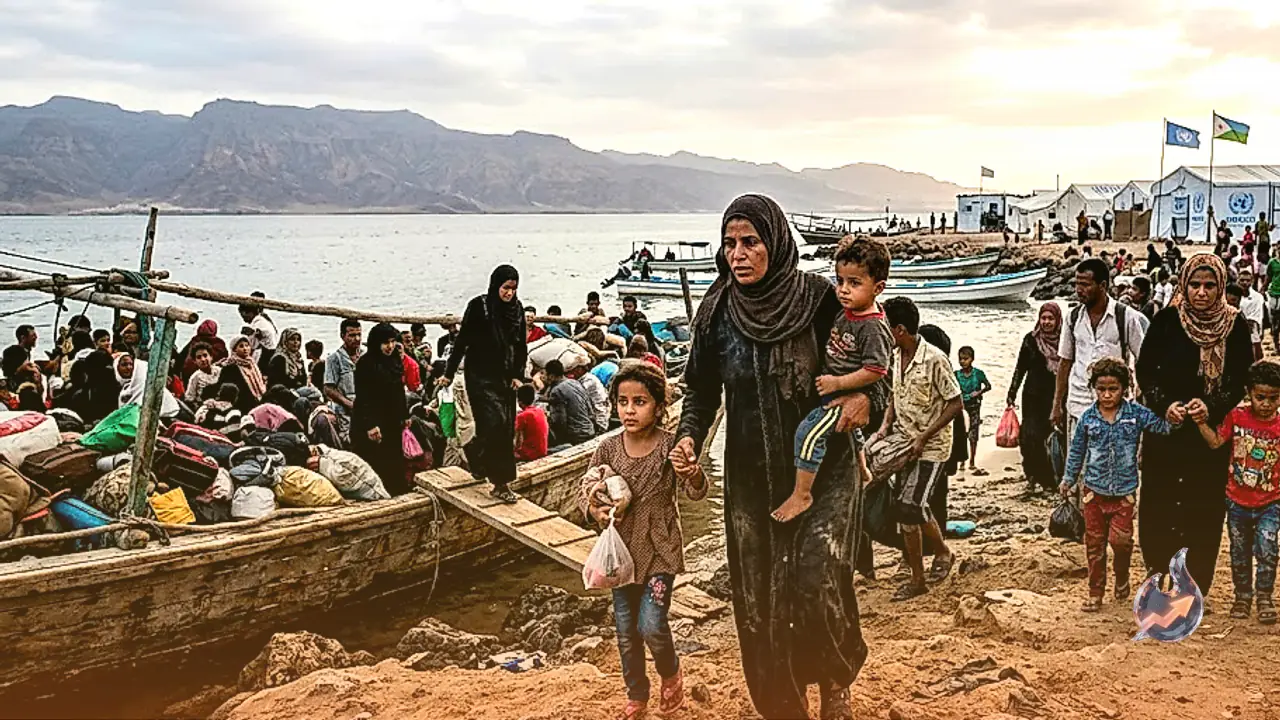
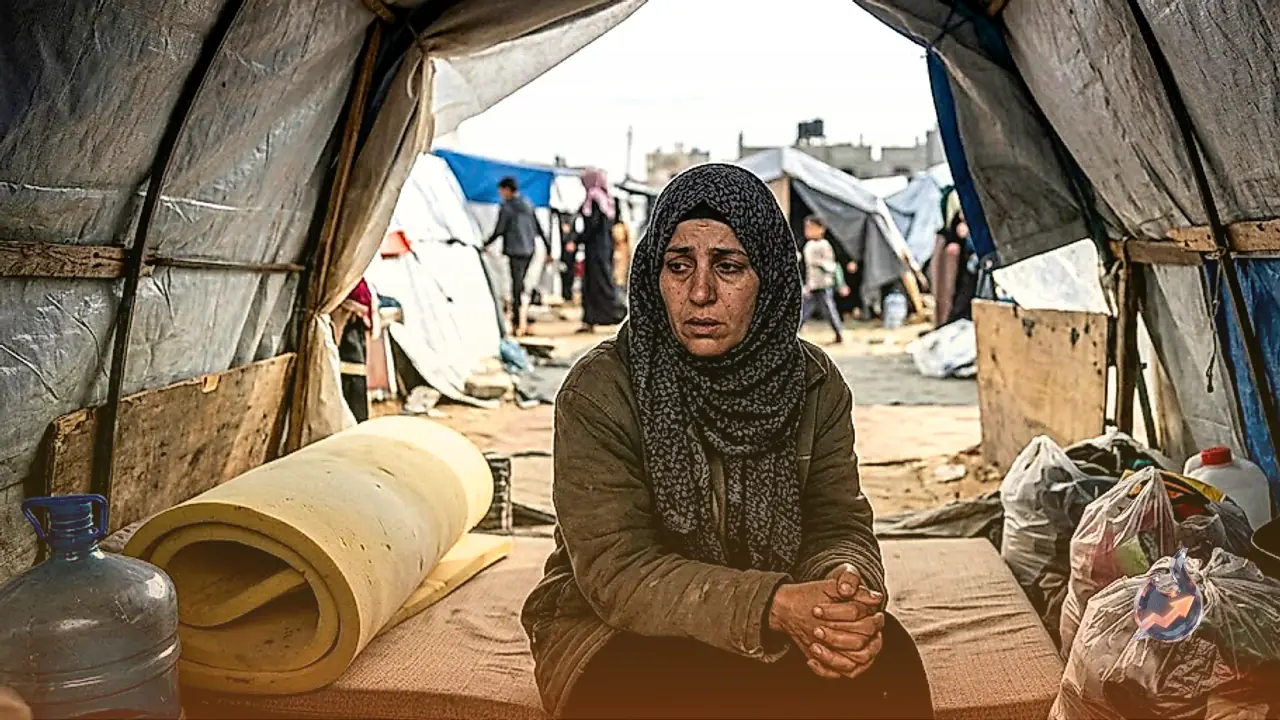
More than two million Gazans have been displaced from their homes, with approximately 700,000 children missing formal in-person schooling for nearly three years. Most of the displaced population currently resides in squalid tent camps or damaged buildings. While basic food markets have reopened, extreme poverty prevents many families from purchasing essentials, leaving them heavily reliant on humanitarian aid.
Prior to the escalation of hostilities, female students in Gaza frequently outperformed and outnumbered males in education beyond primary school. However, prolonged school closures and safety concerns have severely impacted young girls. Living in close quarters among strangers without adequate privacy in a conservative society has also triggered widespread complaints of sexual harassment and abuse.
Orphaned girls who lost their parents during the conflict remain particularly vulnerable. Relatives have frequently arranged early marriages for young teenagers to shed financial responsibilities and caregiving burdens. Human rights organizations note that adolescent pregnancies resulting from these unions carry severe health risks, including higher rates of miscarriages and underweight newborns due to malnutrition and inadequate medical care.
Rising Sexual Violence and Under-Reporting
Sexual violence in Gaza remains severely under-reported due to widespread fear of social retaliation and stigma. However, recent task force analysis indicates that sexual assault and rape accounted for 2.7 percent of total reported gender-based violence incidents between April and June 2026, up from 2.1 percent in the preceding quarter. Widows and women whose husbands are detained or missing face elevated risks of exploitation, with nearly one in four households now headed by women.
Humanitarian organizations argue that improving living conditions, enhancing camp lighting, and upgrading sanitation facilities could significantly mitigate these dangers. Aid agencies continue to press for the unrestricted entry of shelter materials and equipment to better protect vulnerable populations while long-term recovery plans are formulated.